It’s bad enough that healthcare professionals have to learn medical and pharmaceutical terminology, deal with insurance system overhauls, and cost-efficiently manage a practice. Now they are also expected to become adept at implementing online physician marketing plans to attract patients.
It’s bad enough that healthcare professionals have to learn medical and pharmaceutical terminology, deal with insurance system overhauls, and cost-efficiently manage a practice. Now they are also expected to become adept at implementing online physician marketing plans to attract patients. Although it may be necessary to be online to reach today’s medical consumers, it is difficult to discern which methodologies are most effective.
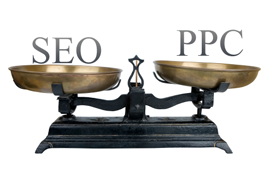
Two of the most widely discussed online marketing strategies are SEO and PPC. SEO, or Search Engine Optimization, is a long-term marketing strategy which relies on keywords, content strategy, internal linking, and other methods to organically increase practice rankings in search results. When prospective patients search for information, the goal is to have the practice show up at the top of the list. It can take a long time to achieve a top-level ranking, and often requires frequent monitoring to maintain a higher position once it is attained.
Pay-Per-Click (PPC), or paid search marketing, is a more immediate approach which takes advantage of the search engines’ ability to identify online consumers who are already searching for information on a particular topic. PPC places highly-effective, keyword driven ads in front of these potential patients in an effort to motivate them to click through for more information. PPC management enables practices to manage cost-effectiveness and present these opportunities to higher qualified prospects on a more consistent basis.
More Read

Is one of these strategies more effective than the other? In a revealing case study, MD Connect conducted an empirical analysis to answer just that question. The results showed a heavy bias in favor of PPC – SEO/organic rankings drove only 21% of visitors (vs. 79% for PPC) and only 29% of referrals (vs. 71% for PPC). The analysis concluded that overly focusing marketing strategies on SEO efforts alone will often yield less actual patient inquiries than a blended campaign which also includes PPC.
SEO and PPC as Part of a Comprehensive Online Marketing Strategy
Even with a highly effective SEO and PPC marketing strategy, the practice could still fail to thrive unless other components of the physician’s online marketing plan are equally as strong. A lackluster website can quickly counter all the positive feelings which brought a visitor to it in the first place. One major improvement can be the addition of a business profile video. Video is an important channel for engaging with potential prospects and converting that initial interest into an action.
Once patients are on board, they are looking for improved communications with their healthcare partners. The 2014 “What’s Reasonable?” study, conducted by Catalyst Healthcare Research, revealed that 93% of the adults surveyed wanted to receive email communications from their doctor, even if there was a $25 fee involved.
Medical practices that take advantage of digital marketing opportunities can realize many competitive advantages. Incorporating a well-planned SEO and PPC campaign into a comprehensive physician marketing plan is the first step to becoming more patient-focused.