By using this site, you agree to the Privacy Policy and Terms of Use.
Accept
Health Works CollectiveHealth Works CollectiveHealth Works Collective
  • Health
    • Mental Health
  • Policy and Law
    • Global Healthcare
    • Medical Ethics
  • Medical Innovations
  • News
  • Wellness
  • Tech
Search
© 2023 HealthWorks Collective. All Rights Reserved.
Reading: Social Media and Medical Practices: What Works and What Doesn’t
Share
Notification Show More
Font ResizerAa
Health Works CollectiveHealth Works Collective
Font ResizerAa
Search
Follow US
  • About
  • Contact
  • Privacy
© 2023 HealthWorks Collective. All Rights Reserved.
Health Works Collective > Business > Hospital Administration > Social Media and Medical Practices: What Works and What Doesn’t
BusinesseHealthHospital AdministrationSocial Media

Social Media and Medical Practices: What Works and What Doesn’t

Jonathan Catley
Jonathan Catley
Share
4 Min Read
Social Media Marketing, Medical Practice Marketing, Online Marketing
SHARE

It’s no secret that social media has transformed the way American businesses market their products and services. The fact that Facebook has more than one billion registered users is difficult to ignore.

Contents
  • Social media and medical practices: what works
  • Social media and medical practices: what to avoid

It’s no secret that social media has transformed the way American businesses market their products and services. The fact that Facebook has more than one billion registered users is difficult to ignore. Such sites can be an ideal place for clinics, hospitals and private practices to connect with their existing and potential patients.Social Media Marketing, Medical Practice Marketing, Online Marketing
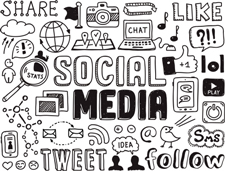
However, the social media strategies that work for an auto dealer or a restaurant aren’t necessarily well-suited for the medical sector. In fact, the American College of Physicians recently advised those in the medical community to “proceed with caution on social media” Does that mean your practice or clinic should ignore social media? We don’t think so. However, it does pay to take a good look at what works for medical practices and what doesn’t.

Social media and medical practices: what works

1. Using social media to establish trust. If potential patients see your Facebook posts on their daily feed, they will start to look to you as an authority in your particular medical field. Although they may not need a doctor right now, they will likely look to the person they’ve grown to trust when they do.
More Read

Reference Pricing and the Role of the Government
Facebook Portal “RegisterPatient” Allows for Secure Patient-Physician Communications
We Have Been Socialized to Be Passive Patients – But That Doesn’t Mean We Aren’t Engaged
The Role Of The Internet Of Medical Things In Healthcare
Promising Nursing Careers Beyond the Bedside

2. Using social media to teach. Social media can also be used to help raise awareness of common public health issues, like the need for exercise or ways to stop smoking. The Cleveland Clinic is particularly effective at using such posts on their Facebook page. This type of post also helps to establish your practice or clinic as a health authority.

3. Using social media to announce events. If your clinic or practice offers periodic free tests or wellness events, social media sites like Facebook and Twitter are great places to spread the word. If you can get your “friends” to share your post with their friends, etc., you can reach many more people than a traditional print ad. Plus, social media posts are free.

Social media and medical practices: what to avoid

1. Sharing too much. Sharing examples make your posts more relevant to your readers. However, if you share anything that could cause the patient to be identified, you are violating U.S. federal HIPAA regulations. For example, if you share a story of an accident victim, the unusual nature of the accident could cause the person to be identified even if you leave out his name. Best to err on the side of caution.

2. Dispensing medical advice. Online “friends” may ask direct medical questions on your site. However, suggesting anything except that they should discuss the issue with their physician opens you and your staff up to possible malpractice charges. Best to avoid all such discussions.

Used properly, social media is a great tool for private practices, clinics and even hospitals to spread the work about what they do. However, like all marketing tools, it is most effective when you take the time to learn what works and what doesn’t.


Share This Article
Facebook Copy Link Print
Share

Stay Connected

1.5KFollowersLike
4.5KFollowersFollow
2.8KFollowersPin
136KSubscribersSubscribe

Latest News

patient care
Independent Practices Must Keep Human Connection at the Core of Patient Communication
Health
April 29, 2026
6 Best ABA Software Tools That Help Clinics Reduce Administrative Work
Hospital Administration Medical Innovations
April 29, 2026
Best Video Systems for Health Care
How to Choose the Best Video Systems for Health Care
Global Healthcare Technology
April 22, 2026
How Workplace Hygiene Impacts Community Health Outcomes 
Health
April 21, 2026

You Might also Like

Inbound Marketing for Medical Devices: Mistakes to Avoid

December 10, 2014
Targeted Local Medical Marketing, Local Search Engine Marketing, Online Healthcare Marketing
BusinesseHealth

Targeted Local Medical Marketing: Quickly Build Your Online Presence

April 28, 2014
Patient studying at patient forum
NewsPublic HealthSocial Media

Patients Helping Patients: Improving Health Literacy and Cancer Care

May 20, 2014
image
eHealth

How to Test Health IT Interoperability: Advice From an Expert

February 25, 2013
Subscribe
Subscribe to our newsletter to get our newest articles instantly!
Follow US
© 2008-2025 HealthWorks Collective. All Rights Reserved.
  • About
  • Contact
  • Privacy
Welcome Back!

Sign in to your account

Username or Email Address
Password

Lost your password?