For years, scientists have been heralding the age of interdisciplinary work. We’ve put together teams of scientists to tackle hard problems that couldn’t be solved any longer by solo fields — physics, biology, chemistry – and thrown them at one another. That’s how we got molecular biology and biochemistry. I remember having the privilege of sitting in one day at the Broad Institute in Cambridge and being amazed by the range of scientific disciplines seated around one conference table.
For years, scientists have been heralding the age of interdisciplinary work. We’ve put together teams of scientists to tackle hard problems that couldn’t be solved any longer by solo fields — physics, biology, chemistry – and thrown them at one another. That’s how we got molecular biology and biochemistry. I remember having the privilege of sitting in one day at the Broad Institute in Cambridge and being amazed by the range of scientific disciplines seated around one conference table.
These days a scientific collaboration can include not only scientists, but artists, ethnographers, architects, city planners – you name the field and it’s probably been on a grant or in a corporate research plan. And vice versa – each of the other fields in turn hire scientists as they are needed for portions of work.
The history of wearables hasn’t been any different. It includes software engineers, hardware engineers, physicists. And as the years went on psychologists, psychophysiologists and textile specialists. Eventually some pretty technical fashion experts got interested, and rather recently the major players have made news by hiring experts from the fashion industry (perhaps two of the most notable being the collaboration between Tory Burch and FitBit, and Apple’s hire of ex-Burberry CEO Angela Ahrendts).

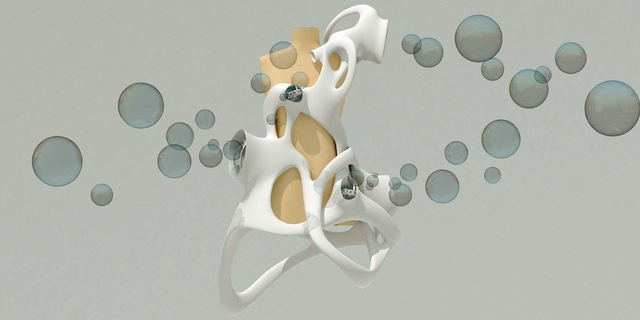
I haven’t seen too many fashion industry-driven wearable devices – except for the occasional runway piece or artistic installation for spectacle. London’s Studio XO, founded by Nancy Tilbury and Benjamin Males and catering to music and pop stars like Lady Gaga and Azealia Banks shows promise as a leader in design studios, as seen in their CAD design of the “Anemone Dress”.
I believe wholeheartedly that they are on their way, however.
When wearable health, and wearables in general finally catch fire in the mainstream, it’s going to be because the creative, fashion, popular-culture side has embraced them, not because the electronics manufacturers or independent tech labels have come up with some new kind of toy. That would be missing the point — people want to wear things because they are cool and have brand identity. Entrepreneurial companies are too small and too technical.
Until entire fields begin to emerge that embrace the idea that wearables and biology are not a fad, but in fact are an enormous cultural wave, the vast majority of adopters are not going to buy them. Large amounts of graduates will have to understand basic biological responses AND whatever creative field they choose in order to staff the jobs needed to build these new products for this overwhelmingly large movement on its way.
Wearables are not an industry. Health, fitness, medical devices — these are industries. Wearables are a technological innovation on the order of the industrial revolution of the 1900s. They change the game for everyone.
To those who say that wearables are just a fad, I say give the seeds some time to grow. It’s only just begun.