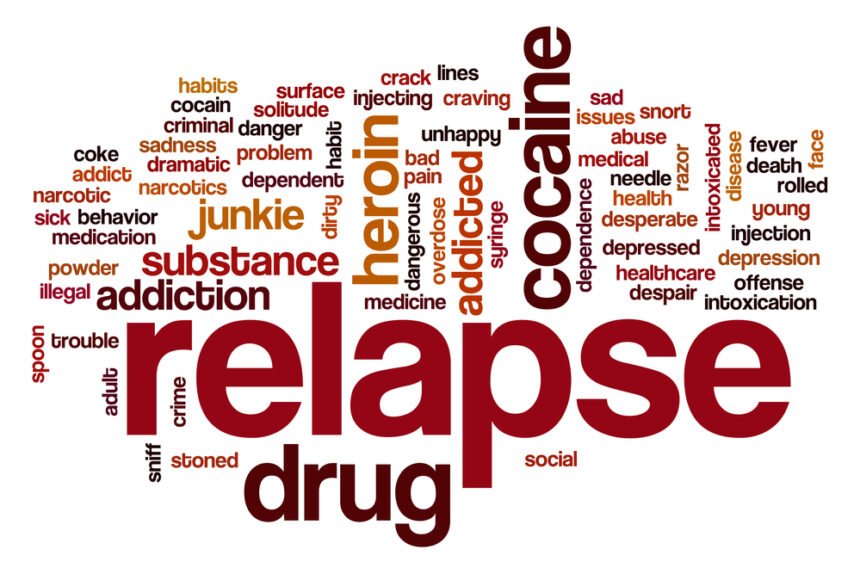
Relapse can happen at any time during recovery, but the incidence is much higher in the newly sober. It can also be high in people who have already been through group or faith-based drug rehab treatment, but who will benefit more from non 12-step rehab programs. This is the reason that there is a lot of importance placed on learning about relapse prevention during the course of drug rehab treatment. It’s a vital part of continuing sobriety and can save people who are in recovery from potentially years of additional suffering. Some people who relapse never make it back into recovery, a preventable tragedy.
Causes of Relapse
Exactly why someone relapses can be difficult to pinpoint, even for the individual. It seems that those who have trouble adjusting to a life of sobriety are the ones who are most likely to relapse. Recovery has to be about more than simply not using or drinking. It is about changing the individual’s way of thinking and dealing with underlying causes and issues; many times, there are psychological or psychiatric issues that need to be addressed. There are also people who don’t find the traditional 12-step approach to recovery adequate for preventing cravings, so they relapse. For those individuals, a non 12-step rehab program may be the answer. When someone gets stuck in the progress of their recovery, it is easy to become disillusioned and return to a familiar means of coping with. Sometimes though, the relapse can be prevented if the person uses prevention techniques.
The Stages of Relapse
Most people who relapse go through three different stages that begin sometime before they actually drink or use. Relapse is a process, not just something that happens, and when a person in recovery understands the progression, it makes it easier to identify when trouble is imminent and he or she can use relapse prevention techniques to avoid using. The stages of relapse are:
- Emotional
- Mental
- Physical
Warning Signs of Emotional Relapse
With emotional relapse, the individual is not typically actively thinking about using or drinking, but he or she is feeling and exhibiting signs that may be setting up a relapse to happen. Some of the signs of emotional relapse are:
- Isolation
- Anxiety
- Irritability or anger
- Mood swings
- Failing to ask for or accept help
- Not attending recovery meetings
- Not taking care of oneself ? eating, grooming, sleeping
- Defensiveness
It is easiest to employ relapse prevention techniques successfully at this stage. The later stages have a much stronger pull toward relapse, and they tend to progress faster.
Warning Signs of Mental Relapse
Mental relapse is like a fight going on in the mind of a person in recovery. One part of them wants to use, but another part doesn?t. Mental relapse definitely includes thinking about drinking or using. Some of the signs of mental relapse are:
- Reminiscing about people and places that one used with
- Romanticizing or glamorizing past use
- Fantasizing about using
- Lying to others
- Actively thinking about using
- Planning how to use without anyone knowing
At this stage, it is harder to make the right decisions and the pull of one?s addiction is stronger.
When Physical Relapse Happens
Once the mental relapse stage is in full swing, if the individual doesn’t use prevention strategies, physical relapse isn’t far off. Driving to one’s dealer or liquor store happens at this stage, and it is very difficult to stop the relapse process. However, relapse is not the end of the world – if they are able to return to recovery and get help right away.
Final Thoughts about the Stages of Relapse
It is important to know and recognize the stages of relapse and to be prepared with how to handle it. For the chronic relapser, it may be helpful to attend a non 12-step rehab to learn different coping skills and relapse prevention techniques. Non 12-step treatment centers are becoming increasingly popular for those who find 12-step programs unhelpful. Having the right techniques at hand, and perhaps help from a non 12-step rehab program, can prevent them from reaching physical relapse and keep them on the recovery path.