
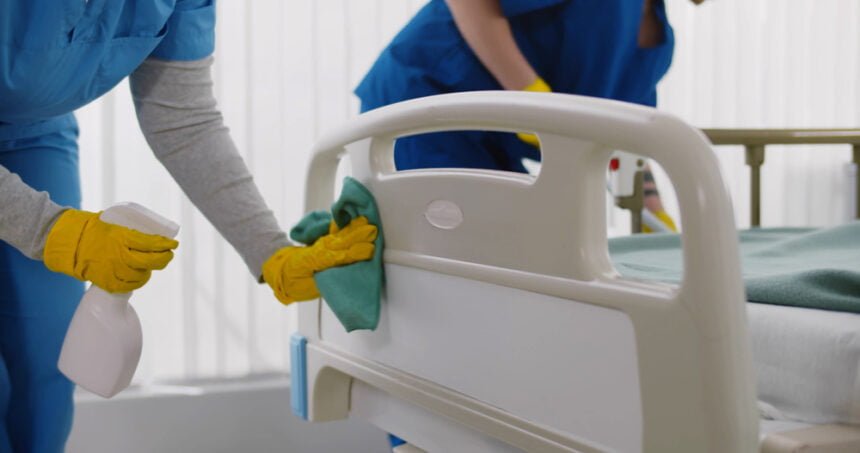
Medical errors are a major problem in the United States. A study by Purdue University found that medical errors in the U.S. may cause up to 251,000 deaths annually, which makes it the third leading cause of death. Compared to other developed countries like New Zealand, Germany, Canada, Australia, and the U.K., the U.S. has significantly higher error rates. Shockingly, less than 10 percent of medical errors are reported.
Most of the discussion is about medical errors center around misdiagnoses, but there are many other causes of medical errors. One that doesn’t receive enough attention is for sanitation.
Medical providers need to adequately sanitize their facilities to minimize these risks and create safe and healthy healthcare settings. But how can they do so?
When it comes to repairing sterilization equipment, medical facilities have two main options: attempting the repairs themselves (DIY) or hiring a professional service. Both approaches have their pros and cons, and it’s important to carefully consider each option before making a decision. In this post, we’ll explore the advantages and disadvantages of DIY sterilization equipment repair versus professional service, and help you make an informed choice for your medical facility.
More Read

DIY Sterilization Equipment Repair
DIY sterilization equipment repair involves medical facility staff attempting to fix broken or malfunctioning equipment on their own, without the help of a professional service. The CDC has some great guidelines they can follow. Some facilities may choose this option to save money, minimize downtime, or because they have staff members with experience in equipment repair. While there are certainly benefits to this approach, there are also some significant risks to consider.
Advantages of DIY Sterilization Equipment Repair
Cost Savings: One of the most significant advantages of DIY sterilization equipment repair is the potential cost savings. Professional repair services can be expensive, and in some cases, DIY repairs can be done at a fraction of the cost.
Minimized Downtime: When equipment breaks down, downtime can be costly in terms of lost productivity and revenue. By attempting DIY repairs, medical facilities can potentially minimize downtime and get their equipment back up and running more quickly.
Increased Staff Knowledge: By attempting DIY repairs, medical facility staff can gain valuable knowledge and experience in equipment repair, which can be useful in the future.
Disadvantages of DIY Sterilization Equipment Repair
Risk of Injuries: Sterilization equipment can be complex and potentially dangerous to work on, particularly if staff members are not trained in equipment repair. Attempting repairs without proper training and safety protocols can result in injuries to staff members or damage to the equipment.
Potential for Equipment Damage: If staff members are not trained in equipment repair, they may inadvertently cause further damage to the equipment, which can lead to more expensive repairs or replacement costs.
Lack of Warranty Coverage: Many sterilization equipment manufacturers require that repairs be performed by authorized service providers in order to maintain warranty coverage. Attempting DIY repairs could void the warranty, leaving medical facilities on the hook for any future repairs or replacement costs.
Professional Sterilization Equipment Repair
Professional sterilization equipment repair involves hiring a third-party service provider to repair broken or malfunctioning equipment. This approach typically involves higher costs, but also comes with some significant advantages. For medical facilities in Sacramento, California, there are several professional service providers that offer sterilizer monitoring service to ensure that sterilization equipment is functioning optimally.
Sterilizer monitoring service in Sacramento offer a range of services, including regular inspections, equipment repairs, and maintenance. These services can help medical facilities ensure that their sterilization equipment is functioning safely and in compliance with regulatory requirements.
Advantages of Professional Sterilization Equipment Repair
Experience and Expertise: Professional repair services have experience and expertise in repairing sterilization equipment, which can help ensure that repairs are done quickly and correctly.
Safety and Compliance: Professional service providers are trained in safety protocols and compliance requirements, ensuring that equipment repairs are done safely and in accordance with regulatory requirements.
Warranty Coverage: Many sterilization equipment manufacturers require that repairs be performed by authorized service providers in order to maintain warranty coverage. Hiring a professional service provider can help ensure that warranty coverage is maintained.
Disadvantages of Professional Sterilization Equipment Repair
Cost: Professional sterilization equipment repair can be expensive, particularly for more complex repairs or for facilities that require frequent repairs.
Downtime: Hiring a third-party service provider for sterilization equipment repairs can result in longer downtime, as the equipment may need to be shipped off site or the service provider may not be immediately available.
Dependency: Relying on a third-party service provider for sterilization equipment repairs can create a dependency on that provider, which may not always be available or affordable.
Choosing the Right Option for Your Medical Facility
In summary, the decision to choose between DIY sterilization equipment repair and professional service depends on various factors. While DIY repairs may offer cost savings, it also comes with risks. Professional sterilization equipment repair offers many advantages, including expertise, access to specialized tools and parts, and compliance with regulatory requirements. Medical facilities should make an informed decision that best suits their needs and ensures that the equipment is functioning safely, optimally, and in compliance with regulatory requirements. Working with a reputable and experienced sterilizer monitoring service provider in Sacramento can provide peace of mind.