Manufacturers, clinicians and others focusing on technology advancement in spine surgery are not developing radical innovations, but are making enough incremental improvements in a number of ways that result in growth in the industry. Most improvements fall into a number of categories:
Manufacturers, clinicians and others focusing on technology advancement in spine surgery are not developing radical innovations, but are making enough incremental improvements in a number of ways that result in growth in the industry. Most improvements fall into a number of categories:
 New materials technologies: Historically, spinal fusion instrumentation was fabricated from metallic biomaterials, including stainless steel and titanium alloy, because of their strength and fatigue resistance. However, one key drawback of these metallic implants is incompatibility with diagnostic imaging, including MRI and CT scans, which are crucial for visualizing changes to the spinal cord and vital soft tissue structures of the spine. To overcome these issues a variety of new materials such as biocompatible carbon fiber-reinforced (CFR) thermoplastic materials and implantable polyetheretherketone (PEEK) polymers were examined as an alternative to the traditional materials. In addition to biocompatibility, biostability and compatibility with diagnostic imaging, these advanced thermoplastic polymers provide a range of mechanical properties that are well suited to the demanding environment of spinal implants.
Implantable PEEK polymers are available today in an array of formulations, ranging from unfilled grades with varying molecular weight, to image-contrast and carbon fiber-reinforced grades. The first implantable unfilled PEEK polymer–PEEK-OPTIMA was pioneered in 1999 by United Kingdom-based Invibio Biomaterial Solutions. Introduced by Invibio in 2007 to provide controlled visibility through X-ray, CT and MRI technologies, image-contrast grades offer tailored opacity that allows for easier post-operative device placement verification by surgeons and clear assessment of the healing site. Also launched by Invibio in 2007, carbon fiber-reinforced (CFR) grades provide significantly increased strength and stiffness as well as a modulus similar to that of cortical bone.
More Read

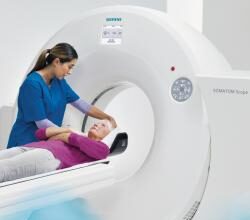
The CD HORIZON LEGACY PEEK Rod from Medtronic Sofamor Danek and the EXPEDIUM™ PEEK Rod System from DePuy Spine, Inc., are examples, in which these polyetheretherketone (PEEK) polymers are radiolucent and have the ability to reduce scatter and artifact from CT and MRI images. [Picture source: MRI scan via Shutterstock]
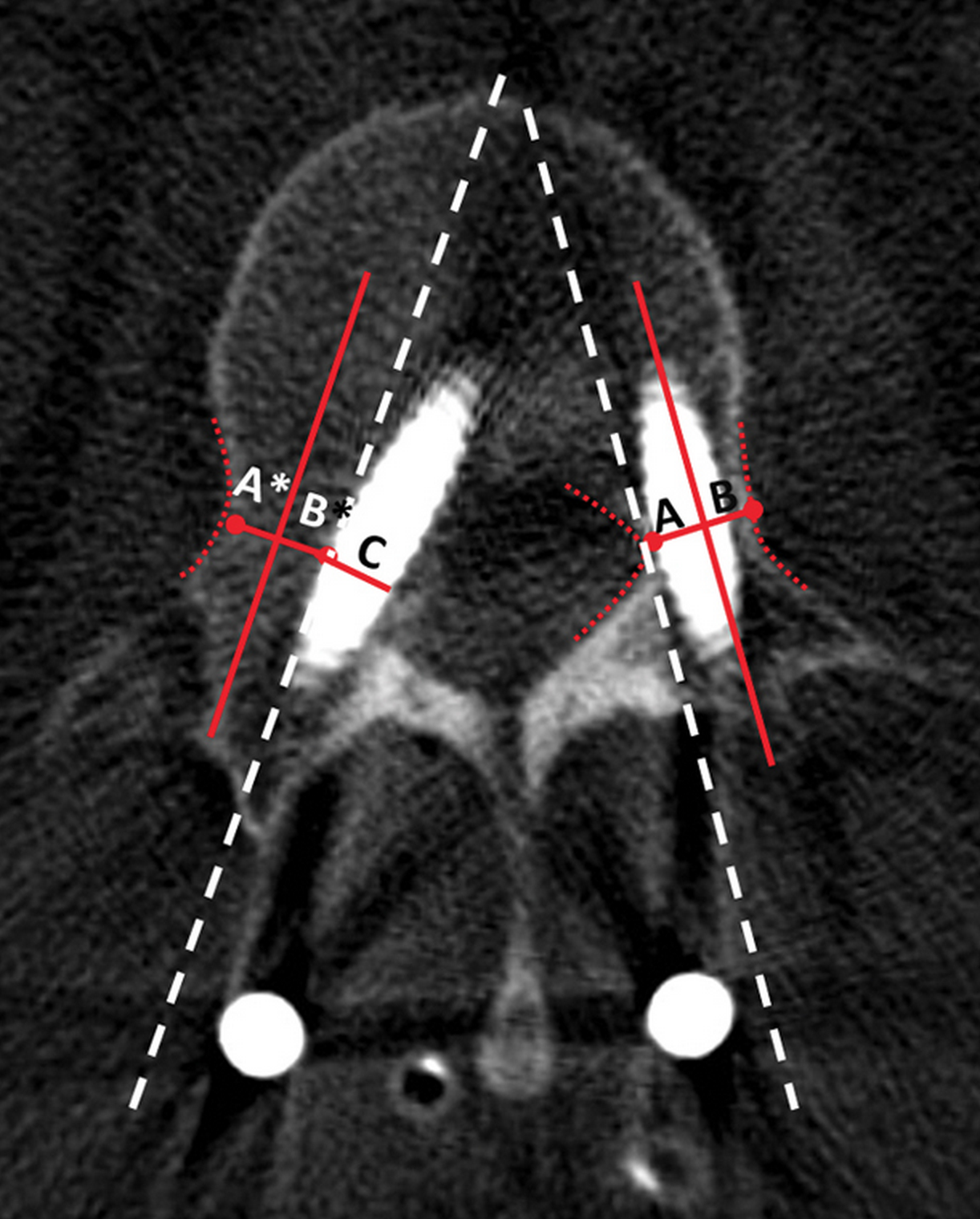 Computer aided fixation of spinal implants: A number of proprietary techniques are being developed that provide computer or robotic alignment for the placement of spinal implants. Current research ensures that further developments will occur resulting in more extensive use of computer aided fixation. [Picture source: NIH]
 Minimally invasive spine surgery: Manufacturers have development technologies in percutaneous and endoscopic approaches to spine surgery that are having (and will continue to have) a significant impact on patients, clinical practice and the market for spine products. It is producing all the expected benefits of less invasiveness — less traumatic surgery results in shorter recovery times and better outcomes and opens up spine surgery to more elderly, infirm and other patients for whom traditional spine surgery would be contraindicated.
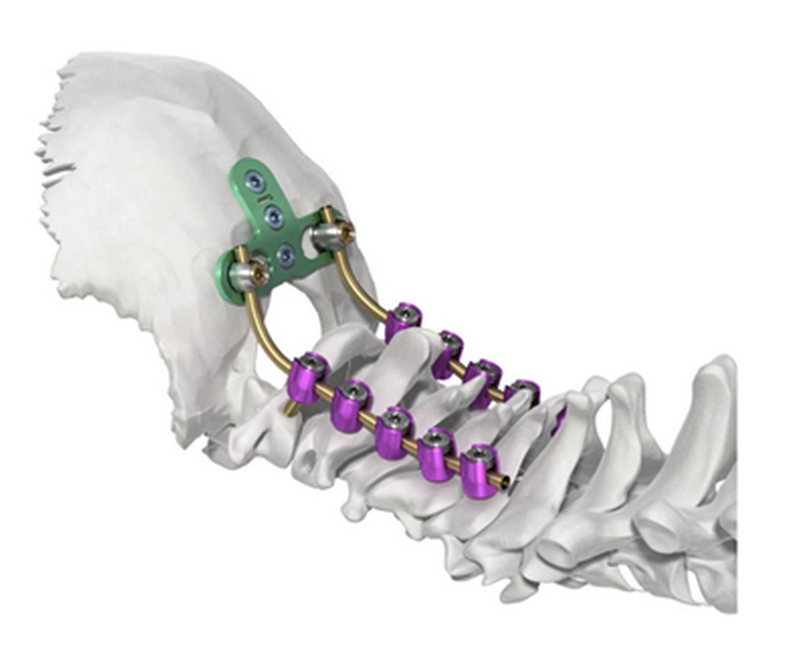 Variable axis screw systems: A variable axis screw system is a pedicular screw system that features a variable-axis head, which offers a ±25 degrees of angulation. The system also offers a pre-contoured rod. The contoured rod, along with the angulation available in the screw head, alleviates the need for rod contouring. The screw also features a pre-assembled head and double lead thread. The pre-assembled head reduces the steps required for construct assembly and the double lead thread increase the speed of screw insertion and construct assembly so that the overall operative time can be shortened. [Picture source: DePuy Synthes]
Products, technologies, markets, companies and opportunities in the spine surgery industry are the focus of the MedMarket Diligence Report #M540, “Global Market for Medical Device Technologies in Spine Surgery, 2014-2021: Established and Emerging Products, Technologies and Markets in the Americas, Europe, Asia/Pacific and Rest of World.”