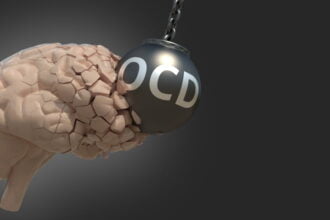
Most everyone has heard of depression, and to a degree, most people experience it in one form or another. However, depression as a mental health issue affects millions of people around the world. Healthline cites data showing that 280 million people around the world suffer from depression disorders.
There are a lot of reasons people suffer from depression. For example, menopause is a major factor. Regardless, the symptoms are usually the same.
The symptoms could be ongoing feelings of sadness, a sense of hopelessness, and disconnection from your daily routine and activities. This crippling illness takes a toll on your quality of life, relationships, and overall well-being. Some people turn to medications, but because it is a complicated condition, depression treatment should also take on a more hands approach, too. We have shared some important signs people need to be aware of.
1. Cognitive-Behavioral Therapy (CBT)
Cognitive-behavioral therapy (CBT), one of the many mental health treatment services available for those dealing with depression, delves into how thoughts, feelings and behaviors are all intertwined. Through teamwork between a therapist (or multiple therapists) and the patient, goals are set and plans are made to change the negative thought patterns. Individuals learn new ways to deal with their feelings, reducing depression symptoms and improving the way they feel day-to-day. Research consistently shows that CBT is one of the best ways to improve depression and feel happier.
More Read

2. Interpersonal Therapy (IPT)
Interpersonal Therapy (IPT) puts an emphasis on improving relationships and how we deal with other people. It takes on the idea that when you have problems with your family and friends, the depression only gets worse. They help you figure out how to solve disagreements and talk about your feelings more effectively. Therefore, IPT therapists focus on resolving ongoing problems and improving communication with others. This technique is often used with those who have gone through life-changing events such as a big move or the death of a loved one. As a guide through tough times, a therapist often achieves impressive results in improving depression.
3. Psychodynamic Therapy
Taking a look at the psyche behind the feelings is the central theme of psychodynamic therapy. This talk therapy assists people in understanding how past experiences, trauma, or relationships may be affecting their current feelings of depression. Tackling the unconscious mind, this therapy explores thoughts and feelings individuals may not even be aware of having. A session will typically involve the therapist working alongside the patient to early though patterns or behaviors that formed as children or young adults. For example, someone who experienced childhood neglect or abuse could have developed negative beliefs about themselves that contribute to their depression as an adult.
4. Mindfulness-Based Therapy
Focusing on the current moment and accepting your thoughts without any judgment is the focal point of mindfulness-based therapy. Through activities such as meditation and yoga, a person can learn how to relax and, consequently, reduce stress. With this type of effective therapy, therapists often teach various mindfulness techniques. Breathing exercises, body scans, and guided meditations are often used inside the office, but many are encouraged at home to build these skills over time.
5. Dialectical Behavior Therapy (DBT)
Dialectical Behavior Therapy (DBT) combines helpful thinking methods with mindfulness techniques. It was first made to help people with borderline personality disorder. DBT teaches skills like mindfulness, handling tough feelings, controlling emotions, and getting along with others better. Therapists have found success with this method for those who have struggled with self-harm or suicide attempts or feelings in the past.
Embracing Effective Depression Therapy
By teaming up with a trained mental health expert, individuals can start a journey of discovering themselves, learning new skills, and becoming emotionally stronger. Therapy can help people struggling with depression take back control of their lives, form strong bonds with others, and find happiness and purpose again.