Female hair loss can be a difficult and emotional experience for many women. Understanding the causes of female hair loss is the first step toward finding an effective treatment. Hair transplants are one increasingly popular solution for treating female alopecia, a medically recognized form of hair loss that affects millions of women around the world.
In general, female hair loss is caused by hormones, genetics, or stress. A combination of factors can also contribute to thinning hair in women. For example, vitamin deficiencies and thyroid conditions may cause temporary or permanent balding in women. Treating these underlying conditions usually leads to improved hair growth over time.
Hair transplant surgery is another approach that has gained traction in recent years as an effective way to treat female alopecia and restore confidence in patients.
Causes
Poor diet

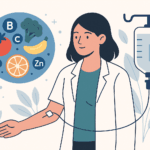
Women who have heavy periods, have a history of crash dieting, eating disorders, or just don’t eat enough iron-rich foods may be prone to iron deficiency. Your hair follicles need protein to grow, so making sure you eat a protein rich diet is essential. Eat iron–rich foods such as beef, pork, beans, and legumes. Eating them with foods rich in Vitamin C will help you to absorb the iron. If you find yourself suffering other symptoms such as fatigue, headaches, difficulty concentrating, cold hands and feet, as well as hair loss, consult a medical professional.
Hormones
We are a slave to our hormones. Whether it’s our periods, the menopause, or pregnancy and post-birth. When the testosterone in our body is high, it can cause the hair to thin at the scalp. Once you regulate your hormones, you’ll find that the hair should thicken up.
When pregnant, your hair stops falling out and grows luscious and thick. Once you’ve had the baby, it can feel like your hair is falling out, as all the extra hair you’ve held on to starts to shed. Don’t panic, this is a completely normal and natural process.
It’s in your genes
When hair loss is genetic, it’s known as androgenetic alopecia. It can be inherited from either your parents but if both of them had it, you’re more likely to. It can start as young as your early 20s and women tend to develop a thinning hairline behind the bangs. If you’re worried, consult a doctor who will be able to advise the correct course of treatment.
Stress and trauma
Sometimes we don’t realise how badly something has affected us until we start to see symptoms from our body. When you’re stressed, the body’s ability to repair and regenerate cells starts to lessen. This can cause the hair cycle to stagnate and slow. The good news is, once your stress levels have decreased, your hair should start to grow back.
Treatments
In addition to cosmetic treatments like the ones provided by Toppik, there are several things you can do to treat female hair loss:
Natural hair loss treatments
Now, you can’t change your genes but there are some lifestyle changes you can make to protect the hair you still have.
- A diet rich in iron and vitamin C
- Mindfulness and stress management
- Scalp massages with argan or coconut oil
- Clever hairstyling (don’t underestimate the importance of the right colour, cut, or styling routine).
Medical treatments
If you’ve tried the holistic approach, including a change in diet, and find nothing has changed, it may be time to consult your doctor. They have a range of medication which are commonly used to treat hair loss. These may help slow hair loss and sometimes even stimulate growth.
Hair transplant
This is a costly option for those who have tried every avenue with no avail. It’s a serious procedure and should only be considered if you’ve been unable to find an alternative.
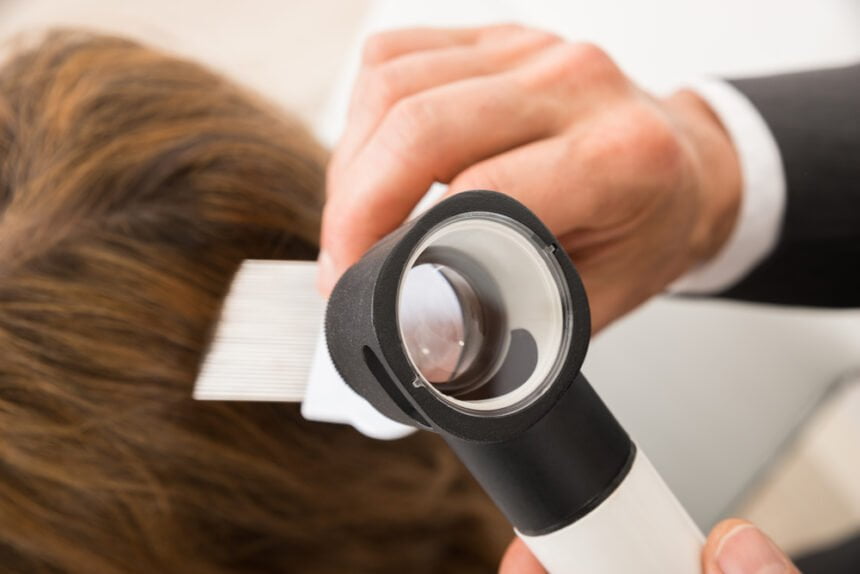
The best thing to do, if you’re suffering from hair loss, is to chat to your doctor. They’ll be able to advise you on how best to manage it, or at least who best to talk to.