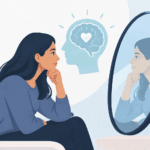

Undifferentiated schizophrenia is a type of schizophrenia that lacks clear definitions with specific symptoms. It is often referred to as a mixed-type or pure delusional disorder. This means that the person may exhibit a range of symptoms from different types of schizophrenia without being able to categorize themselves distinctly. Understanding someone with undifferentiated schizophrenia can be challenging because their symptoms can fluctuate unpredictably.
Symptoms
Symptoms of undifferentiated schizophrenia are varied but typically include a combination of the following:
- Hallucinations: Hearing or seeing things that aren’t there.
- Delusions: Believing in false ideas or perspectives regardless of the evidence against them.
- Disorganized thinking and speech: Speaking or thinking fragmented and disconnected thoughts.
- Disordered behavior: Behaving erratically and strangely.
- Negative symptoms: The absence or decline in normal emotions like joy and happiness, making their behavior emotionless.
These five categories differentiate various forms of schizophrenia, but when someone doesn’t show clear-category symptoms, they are designated with “Undifferentiated Schizophrenia.”
Causes
The causes of undifferentiated schizophrenia can be vague due to its indistinct nature. However, studies have shown potential links between this condition and genetic factors. Evidence suggests that environmental triggers, such as stressors caused by family environments like neglect, abuse, or habits acquired at home, play a significant role.
Treatment Options
Treatment plans for those diagnosed with undifferentiated schizophrenia vary greatly depending on the severity and types of psychopathological symptoms present in patients.
Medication
Antipsychotic medications help relieve psychotic symptoms, including hallucinations and delusions, making individuals more stable. Although it takes time for the medication to work, doctors may also include antidepressants if they diagnose depression alongside schizophrenia. It’s important to remember that medication is not a cure but helps manage the symptoms, allowing individuals to care for themselves without hindering their daily lives.
Counseling/Therapy
Counseling and therapy have shown positive effects on undifferentiated schizophrenia patients. It allows individuals to express behaviors and thoughts that may otherwise be difficult to disclose, and therapists can help them deal with these challenges over time while teaching coping mechanisms that suit them best.
Social Support Network
People affected by undifferentiated schizophrenia often isolate themselves from society due to fear of judgment, but it’s essential to let them know they’re not alone. During this challenging time, encouragement and support from friends and family are invaluable for their growth process.
Mindfulness Techniques
Studies show that incorporating mindfulness techniques such as meditation or yoga into daily routines for undifferentiated schizophrenia patients can help alleviate symptoms like depression, anxiety, and stress. This approach takes a holistic and inexpensive approach to schizophrenia treatment alongside medication, which is crucial.
Final Thoughts
Someone with undifferentiated schizophrenia may experience symptoms that span various types of schizophrenic behaviors, leading to errors in diagnosis and sometimes confusing experts. Such cases vary widely, and medically certified procedures are designed to use several classifications or subtypes based on well-distinguished patterns. However, clear boundaries can still be challenging, requiring close observation by loved ones, doctors, and patients working together to develop customized strategies based on individual needs.
The goal is to successfully manage individual symptoms for long-term happiness, with fewer aggressive panic attacks and agitation, and ultimately achieve remission. Although a cure may not be available, it’s essential to keep exploring better ways of managing the condition. Seeking proper guidance is crucial, but fortunately, several resources are available to provide support.