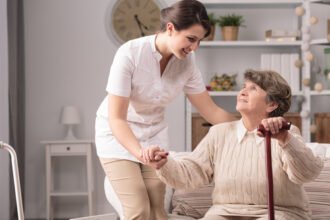
I recently had a discussion with a friend that is taking care of her elderly mother. She said that her mother had experienced a couple of falls over the past three years. Sadly, this is a common issue for people taking care of aging loved ones. No group is immune to the risk of injury. However, some demographics are far more prone to injuries than others. Seniors are at an especially high risk of injury. Approximately 25% of all adults over the age of 65 experience a slip or fall every year. The problems this causes cannot be ignored. Seniors that fall often endure fractured hips. The consequences of injuries to seniors are more problematic than most people believe. One in four seniors that fracture a hip will die from the injury within six months. It is important for seniors and their caretakers to understand the reasons they are more prone to injuries. This helps them create a plan that minimizes the risks. It is a good idea to have this plan documented by nursing homes and other caretakers. The experts at LampertWalsh.com suggest this can help in the event of a lawsuit.
Why are seniors at a greater risk of injury?
There are numerous reasons that seniors are prone to suffering injuries. Some of the biggest reasons are listed below.
Coordination problems
Seniors tend to have worsened coordination as they get older. This can increase the risk of injuries in numerous ways. They are more prone to fall while walking, get into car accidents or slip in the shower.
Low bone density
Seniors are at an elevated risk of osteoporosis and other problems caused by low bone density. Nearly 34 million adults have reduced bone mass. The majority of them are seniors. This puts them at a higher risk of fractures, spirals and other bone breaks. It can also impair strength, which leads to seniors overexerting themselves when doing physical work.

Dementia and other mental health issues
Dementia is a growing problem with seniors. Almost 14% of adults over the age of 71 have the disease. An even greater number of seniors have other mental health issues. These mental health issues put seniors at a greater risk of making poor decisions that can lead to injury.
Obesity
Obesity is another common health problem facing seniors in 2020. Seniors tend to be less active as they get older, but don’t always adjust their dietary habits to reflect this lifestyle change. In addition to diabetes and other health risks, obesity directly increases the risk of injury. Overweight seniors can suffer more serious injuries if they fall. They are also more likely to have coordination issues that increase the risk of falling or knocking foreign objects onto themselves.
Diabetes
Diabetes is another very serious health issue for seniors. The American Diabetes Association reports that 25.2% of seniors have diabetes. Most of the health problems diabetes causes are well known. However, most people don’t realize that it increases the risk of injury after an accident in some cases. One of the biggest reasons is that people with diabetes are at an increased risk of hemophilia. If they are cut, then they can have serious blood clotting issues. seniors with diabetes might also need to restrict their diet in ways that can lead to other injury risks, such as drinking less milk and increasing their likelihood of developing osteoporosis.
What precautions can seniors and their caretakers take to avoid these issues?
All seniors and people responsible for their care need to develop an accident preventive plan. Some of the elements of this plan should include the following.
Follow a sound diet
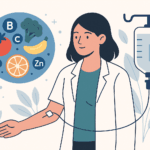
There are countless reasons seniors need to eat properly as they get older. One of the most overlooked reasons is that a good diet keeps their bones strong and helps them be more resilient if they have an accident.
Get adequate exercise without straining
All seniors should make sure they get plenty of exercise every day. Unfortunately, it is easy to go too far and injure themselves in the process. Seniors need to find safe ways to be active to stay healthy without hurting themselves in the process. Medical professionals can provide proper guidance.
Install handrails in showers
Seniors are at a greater risk of falls in the shower. They can reduce this risk by putting in handrails on the walls.
Get treatment for coordination issues
Seniors that feel disoriented or uncoordinated should get evaluated. They might be able to treat the problem by getting certain medications from a neurologist. This can minimize the risk of an injury down the road.