 Biomedical advances over the last century have advanced our life spans to degrees that would seem miraculous to a late 19th century observer. But as a 100-year lifespan begins to approach “normal,” do we have a plan on how these extra 30 to 50 years should be lived?
Biomedical advances over the last century have advanced our life spans to degrees that would seem miraculous to a late 19th century observer. But as a 100-year lifespan begins to approach “normal,” do we have a plan on how these extra 30 to 50 years should be lived?
Recently, I spoke at the spring meeting of the Buck Institute for Research on Aging, where topics ranged from better ways to prevent diabetes, to drug development for an aging population, to the importance of social networks among the aging, and other clinical and scientific approaches.
My talk was a little different. I focused on how we can build better designs into products intended to help with the aging process. This would involve making “uncool” medical technologies into “cool” accessories of aging.
There’s been a lot of attention on increasing lifespan, and enhancing that lifespan so the extra decades we can now enjoy will be fulfilling ones. But we shouldn’t have to accept being “cool” for the first half of our lives, and being “uncool” for the second half. For example, eyeglasses were not considered fashionable when first introduced, but now there are many designs (and designers) focused on “eyewear.” This is not true of the hearing aid, the cane or the walker.
The increased lifespan that came from reducing the impact of infectious disease and making other diseases more preventable also has created another issue: the so-called “biomedicalization of aging.” This debate covers many serious ethical and medical issues, including our increased knowledge of the biology of the aging body and mind, and the ethical question of more medical procedures performed on people in their 80s, 90s or 100s. But while many researchers and other observers also discuss issues about happiness and psychological well-being of elderly people, few look for what I believe are simple ways to improve that well-being via enhancement of the “coolness factor” in our later years.
By removing the “uncool” stigma of many technological tools to help the aged, we can improve well-being. Bringing designers to create interesting, attractive, and even fun products could be a relatively easy solution, and turn the aging process from a biomedical issue into one of lifestyle.
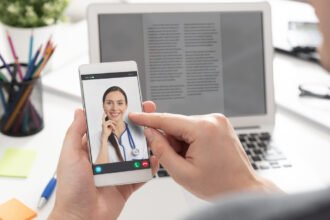
Aging “cool” / shutterstock