 Big Data is big. And it’s getting even bigger in healthcare. Big Data goes beyond size and volume to include such characteristics as variety, velocity, and, with respect specifically to healthcare, veracity. When it created hype last year, Big Data was compared to George Orwell’s Big Brother, constantly watching over people and putting them under scrutiny.
Big Data is big. And it’s getting even bigger in healthcare. Big Data goes beyond size and volume to include such characteristics as variety, velocity, and, with respect specifically to healthcare, veracity. When it created hype last year, Big Data was compared to George Orwell’s Big Brother, constantly watching over people and putting them under scrutiny. With time, Big Data has turned out to be more ferocious and helpful than just that. Unlike Big Brother, Big Data has multiple sources. It can be said to comprise five different categories, or streams, of information:
1. Web and social media data:Clickstream and interaction data from social media such as Facebook, Twitter, LinkedIn, and blogs. It can also include health plan websites, smartphone apps, etc.
2. Machine-to-machine data: Readings from sensors, meters, and other devices.

3. Big transaction data: Health care claims and other billing records increasingly available in semi-structured and unstructured formats.
4. Biometric data: Fingerprints, genetics, handwriting, retinal scans, and similar types of data. This would also include X-rays and other medical images, blood pressure, pulse and pulse-oximetry readings, and other similar types of data.
5. Human-generated data: Unstructured and semi-structured data such as electronic medical records (EMRs), physicians’ notes, email, and paper documents.
The healthcare industry, in coordination with data analytics, is very ripe. This high-level view isn’t meant to ignore the outstanding challenges Big Data poses in areas such as integration, storage and mining; rather, it’s a point of reference as to the four areas that have tremendous potential to analyze the healthcare’s Big Data:
1. Risk: Gain a deeper data-driven understanding of clinical and financial risk – both at the individual and population level
2. Care Quality and Outcomes: Expand and supplement existing EMR based clinical decision support systems (CDSS) with richer clinical signals detected using advanced analytics. The signals identify opportunities to intervene earlier and avert patient harm.
3.Patient Engagement:; Blend traditional healthcare data with other consumer information, including social media and other web based data to understand motivation and readiness to change as a way of beginning to unlock the complex issue of how best to drive improvements in patient engagement at an individual level.
4. Data and Knowledge Curation: There are vast stores of poorly curated knowledge in all healthcare organizations, from the increasingly tangled web of metadata that associates meaning to the data in storage, through to patterns in clinical care delivery that are not formalized into any template-driven structure. Analytics can help identify complex patterns in existing data and provide significant insight to help automate the ongoing challenge of institutional knowledge management.
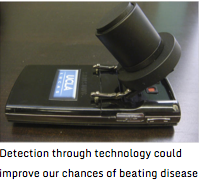
By digitizing, combining and effectively using Big Data, healthcare organizations ranging from single-physician offices to multi-provider groups, large hospital networks, and accountable care organizations stand to realize significant benefits. These can include improving the quality and efficiency of healthcare delivery; detecting diseases at earlier stages, when they can be treated most successfully; and detecting health care fraud efficiently. The data analytics field is to grow by leaps and bound in the coming years and it is surely here to stay and make better changes to our healthcare system.