By using this site, you agree to the Privacy Policy and Terms of Use.
Accept
Health Works CollectiveHealth Works CollectiveHealth Works Collective
  • Health
    • Mental Health
  • Policy and Law
    • Global Healthcare
    • Medical Ethics
  • Medical Innovations
  • News
  • Wellness
  • Tech
Search
© 2023 HealthWorks Collective. All Rights Reserved.
Reading: Do “Old People” Want Digital Engagement?
Share
Notification Show More
Font ResizerAa
Health Works CollectiveHealth Works Collective
Font ResizerAa
Search
Follow US
  • About
  • Contact
  • Privacy
© 2023 HealthWorks Collective. All Rights Reserved.
Health Works Collective > eHealth > Mobile Health > Do “Old People” Want Digital Engagement?
eHealthMobile Health

Do “Old People” Want Digital Engagement?

wellbeme
wellbeme
Share
3 Min Read
wellbe-seniors-whitepaper
SHARE

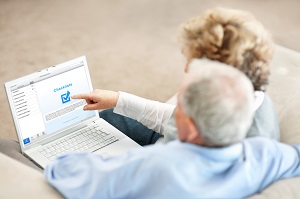
I know: the last thing seniors want is to be called “old people.” But as patients, do they want to be engaged using online and mobile technology?
wellbe-seniors-whitepaper

I know: the last thing seniors want is to be called “old people.” But as patients, do they want to be engaged using online and mobile technology?

wellbe-seniors-whitepaper

More Read

Facebook Portal “RegisterPatient” Allows for Secure Patient-Physician Communications
Hospital Sued After Patient Sees Photos of Herself on Social Media
FDA Offers Guidance on Social Media Etiquette for Medical Device Manufacturers
When Is Social Media Anti-Social?
How Healthcare Marketers Can Maximize Twitter’s New Features

Although the world’s online revolution has affected all aspects of consumer life, including banking, travel, shopping and media, the elderly population has often been left out or ignored, because of a widespread assumption that they don’t use online tools.  As a result, institutions often implement more costly and resource-intensive methods – like phone calls, home visits, and office encounters – to connect with and engage this demographic.

Pew Research says that 52% of those who are 65 or older use the internet (barely the majority). So maybe those healthcare providers who treat the elderly that are refusing to adopt online solutions have solid reasoning to stand on.

But not for long, because the “boomers” are coming… and Pew says of those between 50 and 64, 77 percent of them are using the internet. And it’s growing. Here are a couple more stats:

  • 42% of mobile phone owners 55 and older now have smartphones, according to Nielsen. They are quickly adopting tablets too.
     
  • Pew says seniors are the fastest social media adopters in the U.S. (jumping from 26% to 43% of those 65+ in the past 3 years)
     
  • Accenture recently found that 67% of seniors surveyed say that access to their health information is important, but only 28 percent currently have full access to their electronic health records.

Oftentimes, as patients age, a younger caregiver is responsible for managing their health, and with busy careers and families, would appreciate the use of online tools for their patient. After all, 43.5 million adult family caregivers care for someone 50+ years of age, says the Family Caregiver Alliance.

If you ignore patient demand for online tools only because “Medicare patients won’t use it,” you’re catering to the minority, not the majority. And just a few years down the road, your Medicare population may become the most active users of these tools, so it’s better to get in front of this trend now.

It’s no longer a question of “if,” but “when” providers will need to adopt online solutions to help all their patients. The last thing providers want is to be seen as behind the times or as “old people” themselves.

Read how Butler Health System engaged a senior audience (total joint replacements) using online engagement in Becker’s Hospital Review.


TAGGED:seniors
Share This Article
Facebook Copy Link Print
Share

Stay Connected

1.5KFollowersLike
4.5KFollowersFollow
2.8KFollowersPin
136KSubscribersSubscribe

Latest News

Understanding the Connection Between Chronic Pain and Mental Health: A Path to Holistic Healing
Anxiety Mental Health
July 6, 2026
Florida Nurses Face Growing Licensing Risks: Understanding the Investigation Process and How to Protect Your Career
Nursing Policy & Law
July 2, 2026
Most Clinician Wellness Programs Are Built for a Schedule Nurses Don't Have
Most Clinician Wellness Programs Are Built for a Schedule Nurses Don’t Have
Career Nursing
July 2, 2026
Veneers vs. Crowns vs. Bonding: Understanding Cosmetic Options
Dental health Specialties
June 23, 2026

You Might also Like

Medical Device Marketing, Product Marketing, Online Marketing
BusinesseHealthFinanceMedical DevicesSocial MediaTechnology

What the Leader of the World’s Largest Medical Device Community Says About Marketing

April 14, 2014
eHeath medical records
eHealthMedical RecordsTechnology

Enterprise-Wide Medical Deivice Integration and CIS Workflow

May 15, 2013

WorldWide Lessons in HealthCare IT Webinar Storified

September 6, 2012

Telehealth Provides Convenience and Value

November 2, 2013
Subscribe
Subscribe to our newsletter to get our newest articles instantly!
Follow US
© 2008-2026 HealthWorks Collective. All Rights Reserved.
  • About
  • Contact
  • Privacy
Welcome Back!

Sign in to your account

Username or Email Address
Password

Lost your password?