Eating well after stroke is key to successful recovery. After all, our bodies need proper nutrition and fuel to heal. But it’s hard to eat when you have trouble swallowing or keeping food in your mouth. A person who has suffered a stroke may have problems using utensils, preparing meals, or even feeling motivated enough to eat.
Many stroke survivors also struggle with a common challenge when eating: dysphagia. Brain damage as a result of stroke weakens or paralyzes muscles that help enable chewing and swallowing. Since a person with dysphagia does not receive food properly, they may face serious health problems including dehydration, choking, malnutrition and pneumonia.
Signs of dysphagia include:
- Frequent coughing
- An usually deep or husky voice
- Clearing one’s throat often
- Food or saliva falling from the mouth while eating
If the condition is serious, a feeding tube may be needed. But as a caregiver, there are ways you can make eating easier for a person with dysphagia:

- Choose soft foods that are easy to chew. Eggs, cottage cheese, applesauce, canned fruit, soups, and mashed potatoes are a few nutritious options.
- Cut food into smaller pieces
- Use a blender or food processor to make foods a creamy texture
- Use food thickeners such as flour, instant potato flacks, or matzo meal to thicken liquids, making them easier to swallow
Loss of Appetite Following A Stroke
After a stroke, a person’s appetite might not be as voracious as it used to be. Many survivors feel less hungry during the day. However, it critical stroke survivors not forget to eat and that he or she consume calories regularly.
If a stroke survivor’s appetite is weak, try:
- Encouraging the person to eat more meals throughout the day. Instead of three square meals, test-run eating 5-6 smaller meals throughout the day.
- Tempt with smell. If the physical sensation of hunger isn’t strong, try compensating by activating other senses. Prepare colorful meals with pleasant smells to enhance the activity of eating. Caregiver tip: If the person has suffered vision loss on one side, try turning the plate so the food is the person’s functioning field of vision.
- Build in snacks. Pepper in healthy snacks between meals to keep the person’s energy level high throughout the day. Choose super brain-foods packed with protein, such a nuts or seeds for an extra boost.
Stroke survivors and trouble using eating utensils
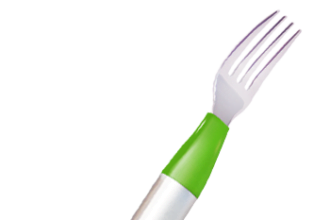
Stroke can result is a loss of motor skills and coordination. Some survivors may find it hard to a maneuver eating utensils. Caregivers can purchase special products that can help stroke survivors use knives, forks, and spoons more easily.
Look for flatware:
- With larger handles for easier gripping
- With curved handles to cut food with one hand
- With grips to make lifting food easier
- Made of unbreakable plastic to prevent shattering if dropped
- Made of rubber for easy cleaning
What other post-stroke eating problems have your encountered? How have you managed? Share and help others learn from your story!