

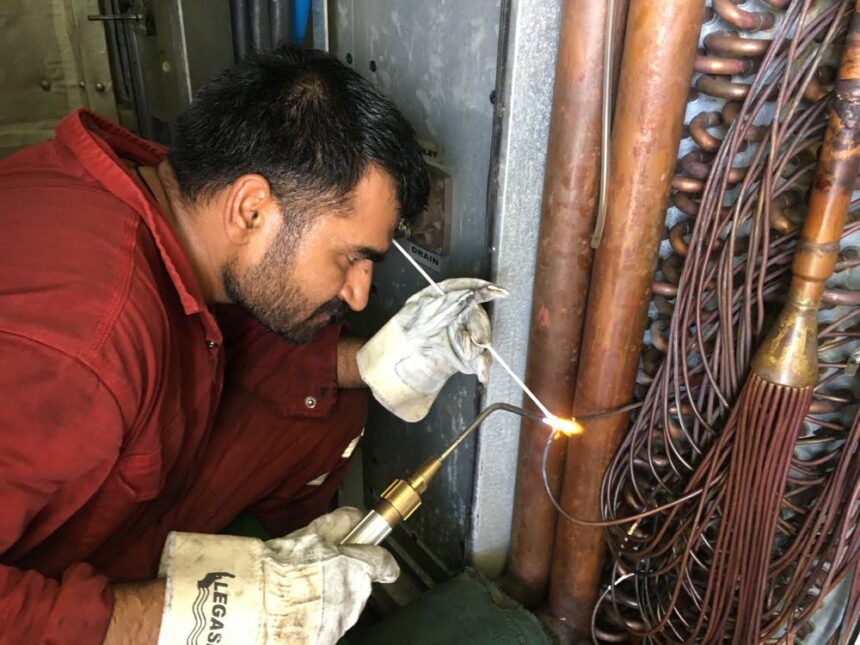
Within every industry, there’s always the potential for a work injury to occur. But some fields present more risks than others, and HVAC is considered one of them. No matter how careful employees are, there are many ways for them to get hurt at work, leading to serious injuries that require expensive treatments and time off work to recover. If you’re not sure how to respond to employee injuries in the HVAC industry, these guidelines can help you feel more prepared when they happen.
Plan Ahead of Time
There are a lot of things that employees can do after an injury. However, the best way to handle employee injuries is to be proactive, not reactive. This means you should do everything possible to prevent injuries, but also be prepared in case they occur. You can start by making sure your employees have the proper training to do their job safely. For instance, if your employees have to use a ladder for work, make sure they’ve been trained on the best practices when it comes to safely climbing up and down or moving it. You should also have certain documents on file for employees, such as medical treatment consent paperwork and emergency contacts. A fully stocked first aid kit is a must, as well.
Finally, make sure you have the right business insurance in place. For instance, you need HVAC contractor liability insurance at the very least, as this will pay for medical expenses if a customer or passerby is injured at your office or jobsite. But you also need workers’ comp in order to protect your employees. Like HVAC contractor liability insurance, workers’ comp can pay for medical treatment expenses when someone—specifically an employee—is injured in the workplace or at a jobsite. And also like HVAC contractor liability insurance, workers’ comp is often required depending on your location and company size. So make sure you have the right insurance policies in place to fully protect your employees before a work injury even occurs.
Get Immediate Medical Care for the Employee
When an employee is hurt at work, the most important thing for you to do is get fast medical attention for him or her. You can do this by first clearing the area, moving other employees away to make sure the injured person has space. This is especially important if the area may be unsafe, such as if there’s a fire or toxic gas that may have hurt the employee.
Next, you should assess the injuries. You can likely use the company’s first aid kit to clean and bandage any cuts or scrapes. But for more severe injuries, you should leave medical treatment to the professionals, which means you should call an ambulance to get the employee immediate help. Stay by the employee until medical professionals arrive so you can answer any questions they might have, and be sure to follow up to find out how the employee is doing once he or she arrives at the hospital.
Perform an Investigation
As soon as the employee has gotten medical help, it’s time for you to start documenting the incident. This is critical for insurance purposes, and it will also help if there are any legal cases related to the incident in the future. You can start by taking careful notes about what happened, including the date, time, possible injuries, and any other details that may be relevant.
You should also interview any witnesses, as this may help determine what happened and why. In addition, take pictures of the scene, including any equipment or tools you think may have been the cause of the employee injury.
Get in Touch with OSHA
One of the final steps of dealing with workplace injuries is notifying Occupational Safety and Health Administration (OSHA). You’re typically required to do this within 24 hours of a serious injury—such as an amputation—and within eight hours of a death at work. If you fail to contact OSHA, you could be facing fines, so don’t forget this step when you’re dealing with workplace injuries.
Be Productive While You Await News After a Workplace Accident
Once you’ve followed these guidelines, you’ll likely have some time to wait before you’ll get an update on how the employee is doing. You can fill that time by sending flowers to the employee’s hospital room or home during recovery. In addition, check on any employees who witnessed the accident—as they might want to talk about it or even get therapy.
You should also take this time to examine and possibly change some of your policies and procedures. After all, you might find that there are some ways you can prevent the same type of accident from taking place again—and better ways to handle it if it does. You may not always be able to avoid every workplace accident, but you can take steps to improve the results when one occurs.






_1.jpg)
