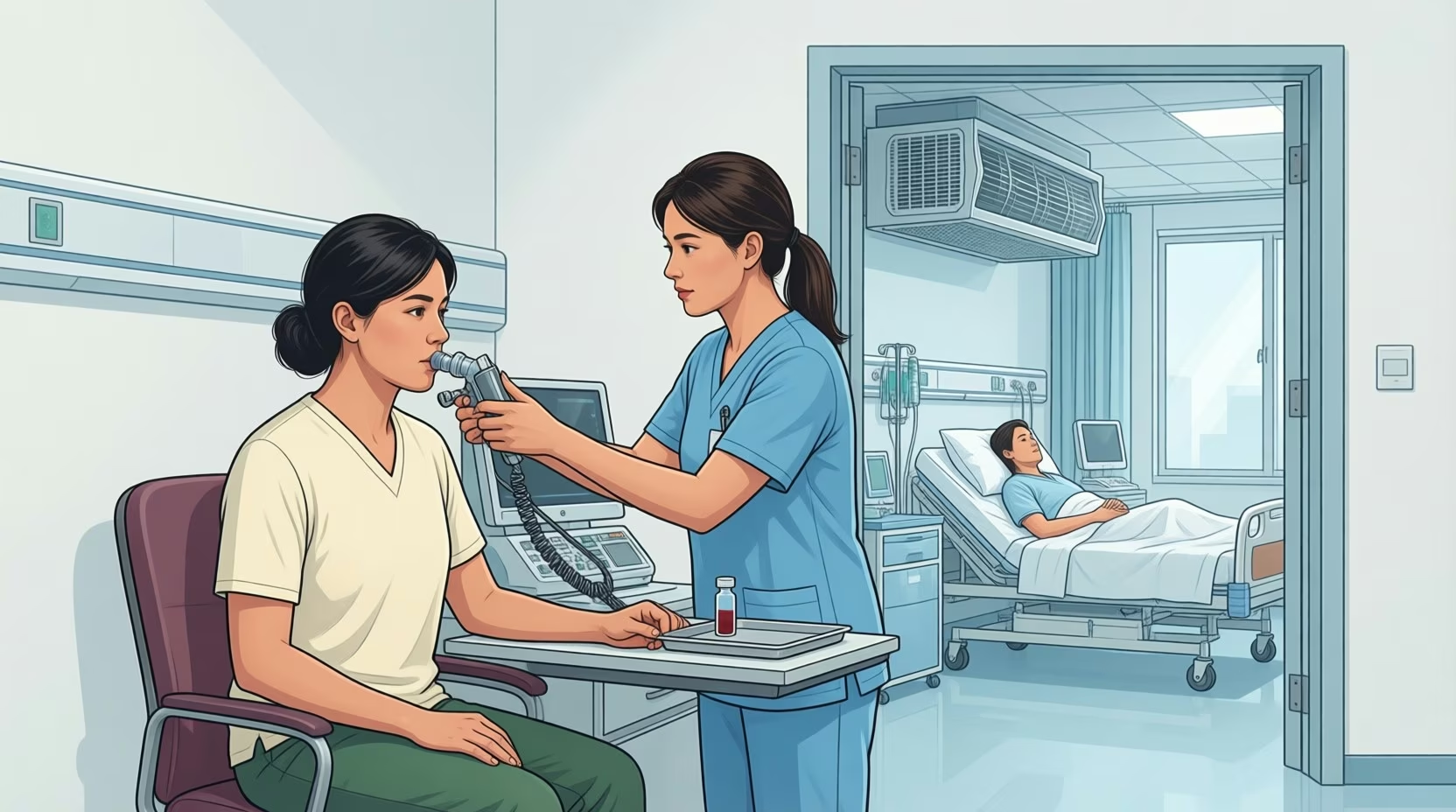
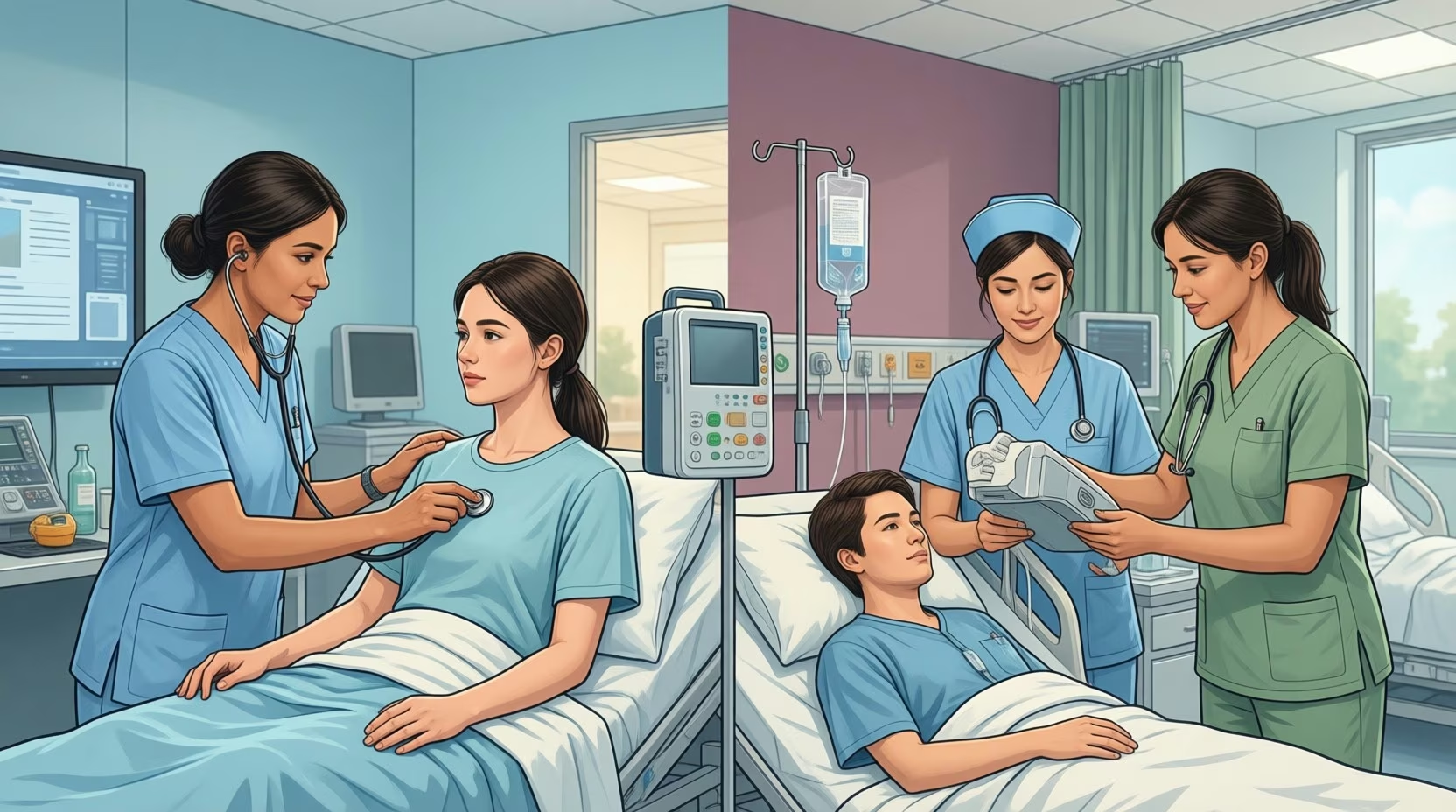
The healthcare industry is currently undergoing a massive transformation thanks to incredible progress in information technology capabilities.
The healthcare industry is currently undergoing a massive transformation thanks to incredible progress in information technology capabilities. The IT revolution is changing the equation on both sides of the industry: patients are seeing the wearables market explode and are finding interesting ways to manage their own healthcare experience, while doctors and nurses are employing data volume advances and new treatment technologies in very novel ways. Here are a few IT trends to look out for in the coming year:
The Platform Revolution
Thanks to cloud and web applications, patient health can be more easily tracked in real time by their medical provider. Data from wearables, smartphones, and other devices like glucometers and blood pressure monitors can be aggregated by healthcare professionals into a measured and balanced look at declines or shocks to a patient’s health. In this way, hospitals and family doctors may be less beholden to the checkup system and more capable of determining a patient’s health remotely.

Telemedicine
Although telemedicine is not quite a trend, as it has exploded in the past few years, it is still gaining new adherents every day and does not look to be slowing in its advance across the industry. In an effort to increase capacity at care facilities and reduce the overall cost of care, particularly among elderly patients, doctors are turning toward messaging and tracking technologies to change the scope of their care. This resource is especially important for patients who have chronic conditions that require frequent checkups, but are unable to make several trips to the doctor’s office a month. Telemedicine is also rapidly expanding in developing regions, where access to local healthcare is often limited and providers can have a huge impact through video messaging and web-based health advice.
The Rise of Picture Archiving and Communication Systems
The days of manual filing, transporting, storing and retrieving medical images look to be rapidly fading in the rear view mirror. Picture Archiving and Communication Systems, also known as PACS, transmit electronic images and reports digitally and provide doctors with easy access to scanned forms, documents, x-rays, computed tomography and magnetic resonance imaging files. The typical time gap in between taking a medical picture and having it prepared to display and analyze is practically nonexistent with PACS, which has tremendous implications for the operation of many medical spheres. Professionals in fields that are new to using PACS like radiology and cardiology are finding that the maintenance of a secure network for file sharing and the presence of a robust web-based workstation for reviewing images allows them to treat patients in a more timely and more effective manner.
Big Data and Increased Use of CPOE
Although there are certainly incredible technologies being honed right now that have the power to change the healthcare industry as we know it, sometimes the most impactful technologies are the ones that seem the simplest. CPOE systems, or Computerized Physician Order Entry, are revolutionary tools that are easy to use and save clinics untold hours and headaches. So why, as of 2015, are only 28 percent of doctor’s offices polled saying that they’ve taken up the new technology? Obviously a major barricade to entry is the relatively high cost of shifting from a paper-based system to an electronic system. However, as the technology becomes more advanced and other aspects of healthcare are automated and moved online, doctors can only wait so long to move their practices into the 21st century. The sheer potential impact of data acquisition on patient care and diagnosis will push more and more doctors into CPOE uptake.
Healthcare is being reinvented on the fly by advances in information technology — patients are better equipped to gather data on themselves and measure their own health, clinics and hospitals have easier access to patient histories, images and personal data, and telecommunications are finally entering into the health sphere in a meaningful way. Electronic health tools are here to stay, and the future of healthcare depends upon the reaction of doctors and nurses to the tools of modern care.