
By using this site, you agree to the Privacy Policy and Terms of Use.
Accept
Health Works CollectiveHealth Works CollectiveHealth Works Collective
  • Health
    • Mental Health
  • Policy and Law
    • Global Healthcare
    • Medical Ethics
  • Medical Innovations
  • News
  • Wellness
  • Tech
Search
© 2023 HealthWorks Collective. All Rights Reserved.
Reading: How Exercise Shapes The Teenage Body And Mind
Share
Notification Show More
Font ResizerAa
Health Works CollectiveHealth Works Collective
Font ResizerAa
Search
Follow US
  • About
  • Contact
  • Privacy
© 2023 HealthWorks Collective. All Rights Reserved.
Health Works Collective > Infographics > How Exercise Shapes The Teenage Body And Mind
Infographics

How Exercise Shapes The Teenage Body And Mind

More than muscle: The powerful impact of exercise on teenage brain development and emotional resilience.

Alexandra Rivers
Alexandra Rivers
Share
3 Min Read
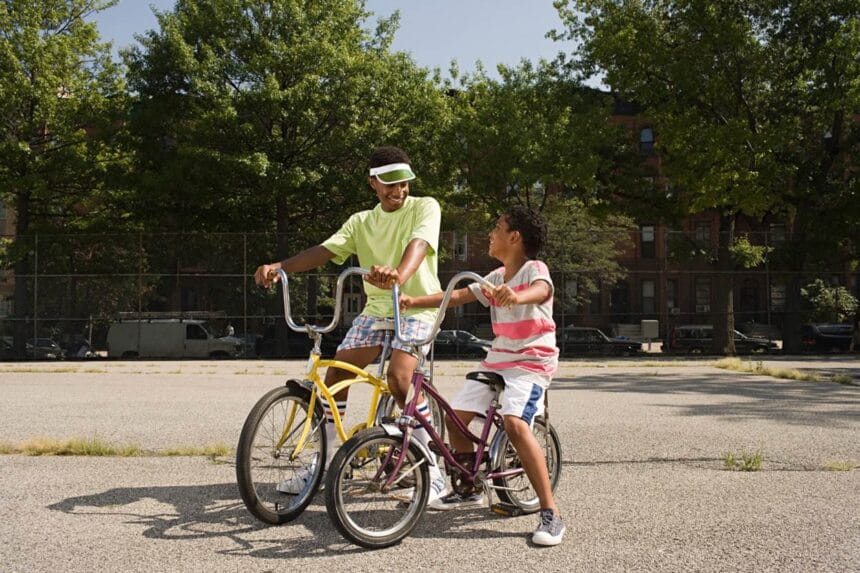
exercise benefits
photo credit: Microsoft Stock Images
SHARE

The teenage years are a time of rapid physical, emotional, and cognitive development. Regular exercise supports these changes by strengthening the body while also benefiting mental well-being. Whether through organized sports, recreational activities, or daily movement, physical activity helps teenagers build healthy habits that can carry into adulthood.

Contents
  • Building a Stronger Body
  • Supporting Mental and Emotional Health
  • Encouraging Healthy Habits That Last

Building a Stronger Body

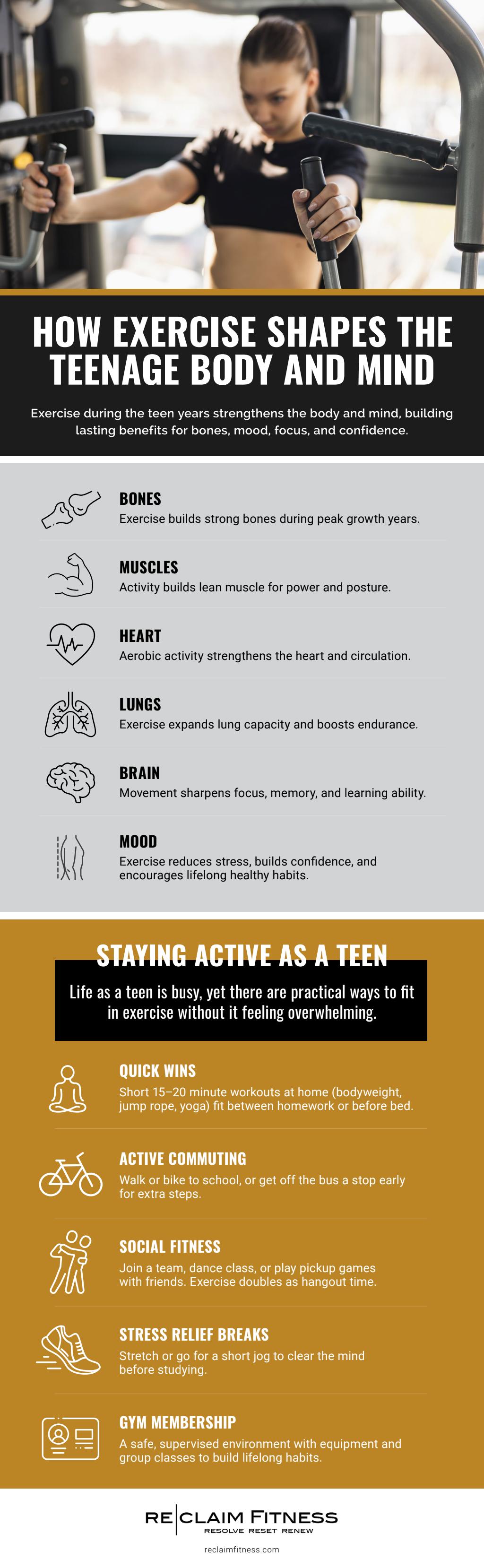
Exercise plays an important role in supporting healthy growth. Weight-bearing activities such as running, jumping, and strength training help build bone density during a stage when bones are developing rapidly. Regular movement also strengthens muscles, improves balance, and increases cardiovascular endurance.

Physical activity supports healthy weight management by helping the body use energy efficiently. Combined with a balanced diet and adequate sleep, exercise contributes to healthy growth while reducing the risk of developing chronic health conditions later in life.

Variety is also important. Mixing aerobic activities, strength exercises, and flexibility training helps develop well-rounded fitness while reducing the risk of overuse injuries.

More Read

How Physicians Utilize Digital Media for Patient Interaction: Infographic
Boomer Voice – [Infographic]
How Grief Affects The Brain And Body
First Impressions Matter: Why Patient Loyalty Starts At The Front Desk
The Lifecycle Of A Medical Device: From Concept To Disposal

Supporting Mental and Emotional Health

The benefits of exercise extend beyond physical health. During physical activity, the brain releases chemicals that help improve mood, reduce stress, and promote relaxation. Teens who exercise regularly often report feeling more energetic and better able to manage everyday challenges.

Exercise can also improve self-confidence as teenagers develop new skills, reach personal goals, and experience gradual improvements in strength or endurance. Team sports and group activities provide additional opportunities to build friendships, strengthen communication skills, and develop resilience through shared experiences. Regular movement may also support better sleep, which plays an important role in emotional regulation, memory, and academic performance.

Encouraging Healthy Habits That Last

Helping teenagers find activities they genuinely enjoy increases the likelihood that they will remain active over time. Some may enjoy team sports, while others prefer hiking, swimming, cycling, dancing, or fitness classes. Offering different options allows teens to discover activities that fit their interests and schedules. Parents and caregivers can encourage participation by being active together, celebrating effort rather than performance, and helping teens balance exercise with school, social activities, and adequate recovery time.

Exercise supports far more than physical fitness during the teenage years. Regular movement strengthens growing bodies, supports emotional well-being, and encourages healthy habits that can benefit teens throughout adulthood. Finding enjoyable ways to stay active helps young people build confidence while supporting their overall health both now and in the future. Check out the infographic below for more information.

TAGGED:infographic
Share This Article
Facebook Copy Link Print
Share
By Alexandra Rivers
I am Alexandra Rivers, a highly experienced healthcare professional with extensive experience in hospital administration. With over 10 years of experience working in the field, I have developed a comprehensive understanding of the healthcare industry and its complexities.

Stay Connected

1.5KFollowersLike
4.5KFollowersFollow
2.8KFollowersPin
136KSubscribersSubscribe

Latest News

How Healthy Meal Kits Are Helping Millennials and Gen Z Build Better Eating Habits
Health
July 9, 2026
Understanding the Connection Between Chronic Pain and Mental Health: A Path to Holistic Healing
Anxiety Mental Health
July 6, 2026
Florida Nurses Face Growing Licensing Risks: Understanding the Investigation Process and How to Protect Your Career
Nursing Policy & Law
July 2, 2026
Most Clinician Wellness Programs Are Built for a Schedule Nurses Don't Have
Most Clinician Wellness Programs Are Built for a Schedule Nurses Don’t Have
Career Nursing
July 2, 2026

You Might also Like

eHealthPublic Health

How Much Does It Cost To Be Gluten Free? Here’s What To Know

June 5, 2019
Hospital Administration

2013 Benchmarking Study on the Patient Experience in American Hospitals [infographic]

September 15, 2013
beyond emergency rooms
HealthInfographics

Beyond The Emergency Room: Long Term Health Effects After Major Accidents

March 12, 2026
medical manufacturing
InfographicsMedical Innovations

Tiny Errors, Big Consequences In Medical Manufacturing

February 17, 2026
Subscribe
Subscribe to our newsletter to get our newest articles instantly!
Follow US
© 2008-2026 HealthWorks Collective. All Rights Reserved.
  • About
  • Contact
  • Privacy
Welcome Back!

Sign in to your account

Username or Email Address
Password

Lost your password?