Drinking water to stay healthy and hydrated is essential, especially during the hot summer months. However, where you should get your water isn’t always an easy decision. Is it best to drink it straight from the tap or should you drink it from a bottle? Should you consider using a water filter, instead?
These are all valid questions. To find an answer, you must first understand the implications of choosing one over another.
The Dark Side of Bottled Water
Many people believe that bottled water is healthier than tap water. However, this isn’t necessarily true.
Researchers have found microplastics in 90% of popular brands’ bottled water. It seems the bottling and packaging processes may contribute to this contamination. Scientists have also recently found high levels of arsenic, E. coli, fertilizer, pain relievers and other impurities in bottled water. Drinking this contaminated water can result in gastrointestinal complications, reproductive problems and other illnesses. Yet, people continue to buy and drink it.
In addition to never truly knowing what is in bottled water, those who choose it over tap water must be ready to face the facts regarding plastic waste. In 2018, people all over the world bought more than 480 billion plastic bottles. Yet, they only ever recycled 29% of them. Obviously, this poses a problem for the environment, wildlife and marine ecosystems, which take the brunt of most of this waste.
Is Tap Water Any Better?
With so many issues surrounding bottled water, you may wonder if tap water offers a better alternative.
While drinking from the tap won’t produce plastic waste, it can be detrimental to your health. Just like bottled water, tap water contains more contaminants than you might realize. Currently, the U.S. Environmental Protection Agency (EPA) regulates 90 contaminants commonly found in drinking water. Yet, U.S. industries use more than 60,000 chemicals that may or may not wind up in your tap water.
Even the chemicals companies use to disinfect tap water can create harmful byproducts that may contaminate it. Still, if the EPA and Food and Drug Administration (FDA) decide levels are low enough, you will ingest arsenic, lead, flouride, chlorine, radioactive contaminants and more through your tap water.
This negligence and under-regulation has been linked to 100,000 cancer cases in the U.S. Therefore, just because the federal government deems tap water safe doesn’t mean it truly is.
Water Filters Can Help
Since you can’t know if bottled water or tap water is safe to drink, your best bet is to purchase a filter. Depending on what kind of filter you use, it can remove sediment, metals, chemicals and other unwanted contaminants. While there is no single filter that will remove everything from your water, there are a few that can remove a majority of harmful pollutants. For instance, granular activated charcoal filters remove chlorine, volatile organic compounds and foul odors and tastes.
In addition to traditional filters, there are other treatment methods that may effectively remove things like bacteria, viruses and other microorganisms. Reverse osmosis is one such method. An RO system will remove fluoride and block other contaminants from entering your water supply. Meanwhile, distillation filtration can remove E. coli, hepatitis A, norovirus, arsenic, lead, sulfate and more.
How to Choose
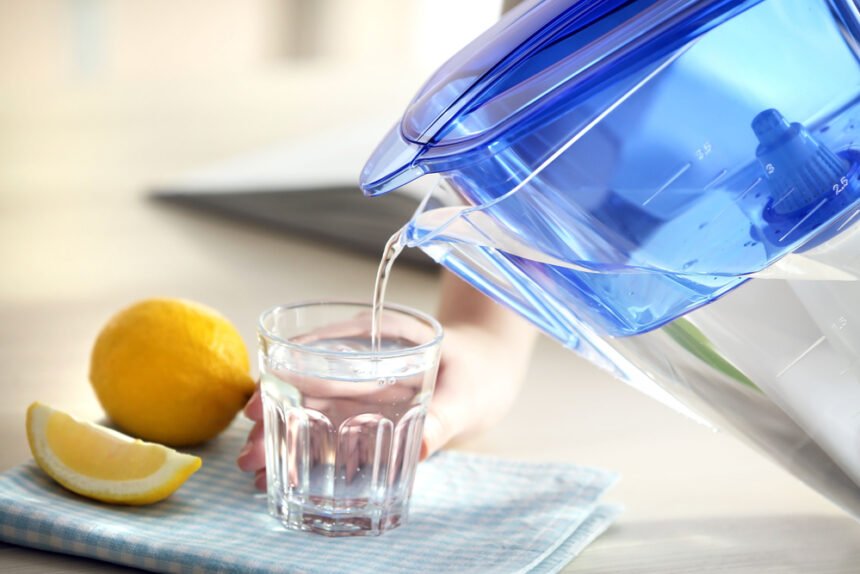
When it comes to choosing a filter, it’s best to first determine what contaminants might be lurking in your tap water. Check your water supplier’s annual report or enter your ZIP code in EWG’s tap water database. Then, depending on what is in your water, you may choose between a carbon filter, a reverse osmosis system, water softeners, a distillation system and a few other kinds of filters. Often, these systems come as a water filter pitcher or a faucet attachment.
Once you have your filter, be sure to use it regularly and replace the filter every few months. Doing so will ensure the filter continues to effectively remove contaminants and keep your water — and your body — safe.