 As a healthcare professional and technology lover I’m always looking for better ways to connect patients with their care team. When I say better, I’m looking for options that engage patients, fit with their increasingly mobile lifestyle and help drive better outcomes.
As a healthcare professional and technology lover I’m always looking for better ways to connect patients with their care team. When I say better, I’m looking for options that engage patients, fit with their increasingly mobile lifestyle and help drive better outcomes. A recent FICO study caught my eye when it stated smartphone users want health care alerts.
Today, smartphones can be found in the hands of 58% of American adults and they’re checking those phones at least once an hour. It only makes sense that this growing use of technology would carry over to healthcare. If a person can be reminded about their upcoming hair appointment, why can’t they be reminded to refill their prescription? The FICO study also suggests that people are looking for a partner to help them manage their health.
This makes sense to me and it seems like smartphone alerts could be a successful engagement tool for doctors, hospitals and insurance providers. A quick Google search highlighted a few hospitals that are ahead of the curve. Take Desert Hospital in California, their outpatient pharmacy offers a smartphone app that lets their patients order refills as well as receive alerts and reminders about their medications.

Nyack Hospital in New York and Barnes-Jewish Hospital in Missouri are using smartphone alerts to help reduce hospital readmissions. The goal is to monitor both medication adherence and refill status during that first, critical month following surgery. These hospitals found that not taking post-operative medications correctly and not getting prescriptions refilled were the biggest causes of hospital readmissions. By sending smartphone alerts, both hospitals were able to keep patients on their treatment regiments and reduce readmissions.
In the spirit of a true health partnership, the LewisGale Regional Health System in Virginia lets patients alert the hospital about their arrival to the emergency room. This reverse alert program allows the hospital to plan for needed resources and be better prepared to provide personalized patient care.
The smartphone alert programs offered by these hospitals shine a spotlight on the successful use of technology in healthcare. These examples highlight benefits for both patients and healthcare providers. They also demonstrate the value of patient engagement in improving outcomes.
Another Google search helped me pull together a list of tips and things to consider when thinking about starting a smartphone alert program for your organization.
- Think technology and effectiveness. How tech savvy is your patient demographic? What will be more effective, a text or app based alert program?
- Stay true to your voice. Keep in mind your healthcare profile, as well as the guidelines and policies of your organization.
- Know your patient demographic. Create alert programs to meet your patient’s needs, keep the information focused and clear.
- Understand cellular charges. What are the implications of potential cellular charges on patients using the alert program?
- Stay up-to-date. Follow industry changes in regulations, new research, guidelines and medications; update the program as needed.
- Know your geography. Smartphone alert programs are only as reliable as the cellular network they operate on. Where do your patients live, what’s the reception like in your area, will they receive the alerts?
- Define the timeframe for alerts. Research the best and worst times to send alerts. Understand the frequency needed to be effective.
The FICO study offers valuable learnings for healthcare providers seeking to engage patients. Smartphone alert programs provide an opportunity to stay connected, improve outcomes and to become a trusted partner in your patient’s healthcare.
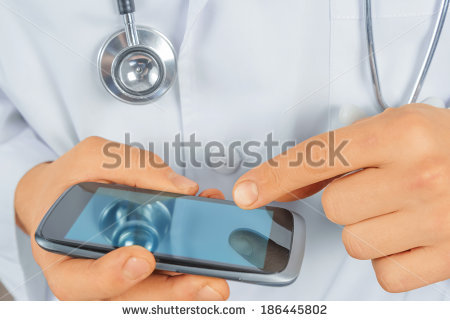
smartphones for health / shutterstock