We use cookies, including third-party cookies from Google to serve personalized ads through AdSense, to operate this site and understand how it is used. By continuing to browse, you accept this use. See our Privacy Policy and Terms of Use for details, including how to opt out of personalized advertising.
Accept
Health Works CollectiveHealth Works CollectiveHealth Works Collective
  • Health
    • Mental Health
  • Policy and Law
    • Global Healthcare
    • Medical Ethics
  • Medical Innovations
  • News
  • Wellness
  • Tech
Search
© 2023 HealthWorks Collective. All Rights Reserved.
Reading: Surge Exercises: Bombings and Blast Injuries
Share
Notification Show More
Font ResizerAa
Health Works CollectiveHealth Works Collective
Font ResizerAa
Search
Follow US
  • About
  • Contact
  • Privacy
© 2023 HealthWorks Collective. All Rights Reserved.
Health Works Collective > Policy & Law > Public Health > Surge Exercises: Bombings and Blast Injuries
Public Health

Surge Exercises: Bombings and Blast Injuries

thielst
thielst
Share
3 Min Read
Image
SHARE

Image

Image

I’ve been watching some of the news coverage of the bombing incident in Boston, but have been focused on those aspects related to emergency response.  This event is a reality check for me because just a couple of years ago I was participating in the planning of an exercise scenario that included two bombs going off at a local 10k race.  In our scenario, the plan was to have the second bomb explode as emergency crews responded, rather than targeting the dispersing crowd.

I think a recap of what I have seen and remember from our surge exercise will serve as some lessons learned.

More Read

Are Collaborative Care Planning Teams and Technology the Key to Reducing Readmissions?
Pharmaceutical Research in Obesity
Countdown to the Physician Sunshine Act: Gloomy Days Ahead
Looking Good
Alzheimer’s Plaques Might Begin in the Liver
  • Events with large accumulations of people are an excellent opportunity to test preparations for surges.  In this case a medical tent was set up, staffed and supplies were available.  The level of preparedness seen probably contributed to a significant reduction in mortality.
  • Our new reality is that sometimes these resources will be needed for reasons beyond the additional scope.  Also having a stock of basic burn and trauma supplies available addresses this reality.  I’d also recommend having some supplies and/or equipment for chemical decontamination or at least a stand-by plan.
  • It was amazing to see so many patients in wheelchairs so quickly.  Equipment needs seem to have been well planned and probably helped expedite movement of patients from the medical tent to staging areas for transportation to hospitals.
  • Training – perhaps by instinct or because of training,  most volunteers seemed prepared to response.  Today’s reality makes conducting stimulated emergency response exercise with staff and volunteers a necessity – even if it is just a tabletop.
  • So far, I haven’t seen any pictures from inside the medical tent.  Hopefully, the lesson of having reporters inside tweeting what they were seeing in Joplin, MO was learned.
  • The hospitals shown in the various reports all seemed or were on lockdown as a result of this incident.

I’ve started receiving resources and want to share the CDCs on blast and boming injuries. It includes In A Moment’s Notice Surge Capacity for Terrorist Bombings. In the days that follow, we will probably start to see results of the emergency response debriefings by those involved.  I’ll add these resources as comments to these posts.

My closing thought is to recommend that everyone participate in community emergency planning activities or events.  If there is a CERT program in your area, join it and prepare.  Doing so honors those who were impacted by this act of evil.

image:emergency/shutterstock

TAGGED:emergency planning
Share This Article
Facebook Copy Link Print
Share

Stay Connected

1.5KFollowersLike
4.5KFollowersFollow
2.8KFollowersPin
136KSubscribersSubscribe

Latest News

Flat editorial illustration: Healthcare ethics-and-law training, shown through a coached clinical role-play where structured disc
Medical Ethics and the Law: The Training Behind Professionals Who Resolve Healthcare Disputes
Uncategorized
November 6, 2026
Flat editorial illustration: The article connects routine occupational health screening with early exposure detection and better
What Routine Workplace Health Monitoring in Medical Environments Actually Prevents
Uncategorized
November 6, 2026
Flat editorial illustration: The article contrasts structured prelicensure education with ongoing, practice-focused development f
Academic vs. Clinical Education: How Teaching Settings Shape Nursing Learners and Outcomes
Uncategorized
November 6, 2026
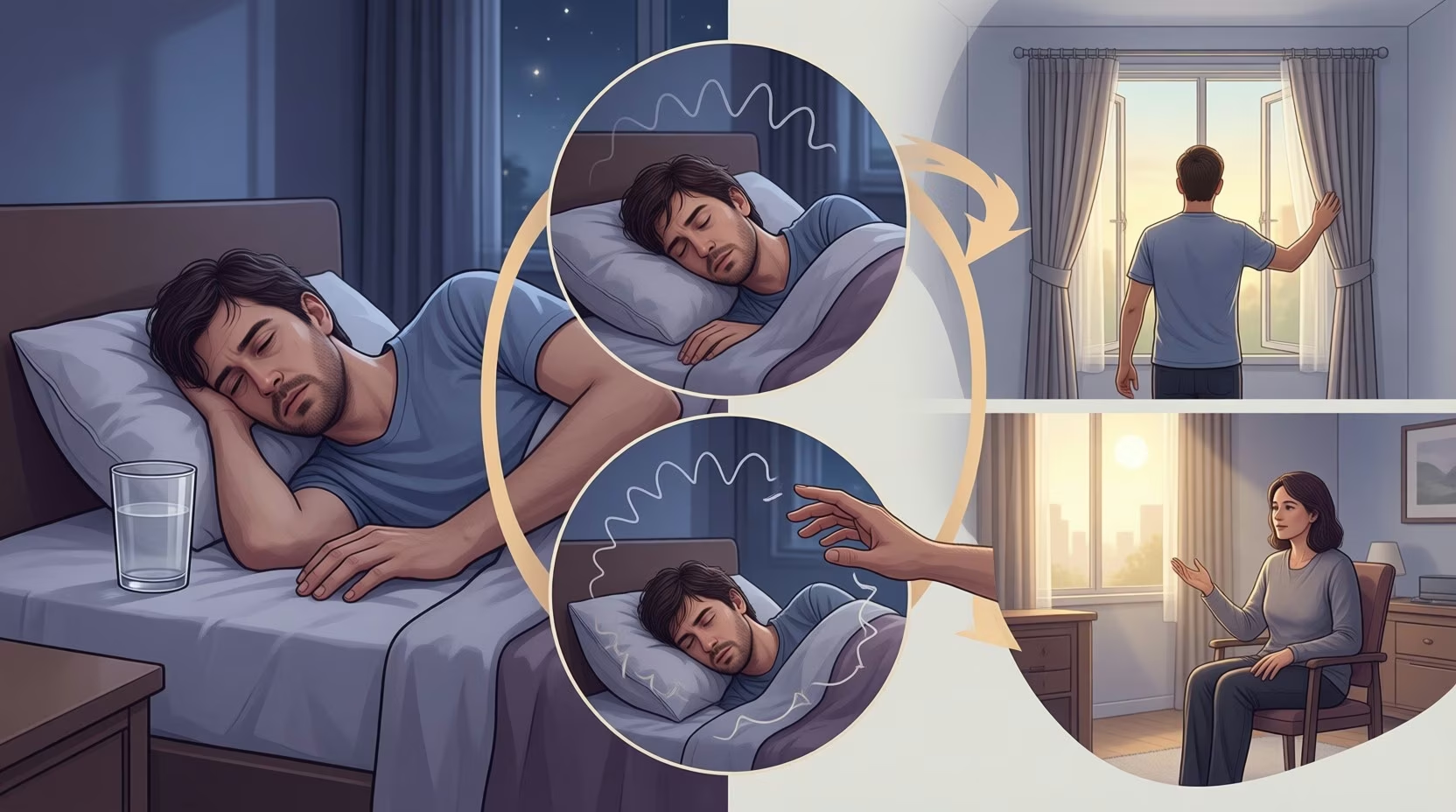
Flat editorial illustration: Health-editorial illustration of the two-way relationship between substance use and disrupted sleep,
How Sleep Disruption Feeds the Addiction Cycle and What You Can Do About It
Addiction Recovery Mental Health Wellness
November 6, 2026

You Might also Like

Cialis Approved by the FDA for Enlarged Prostate–But It’s Not Cheap

October 9, 2011
EHR adoption Stage 2
BusinesseHealthHealth ReformHospital AdministrationMedical RecordsPolicy & LawPublic Health

Despite High EHR Adoption Rates, Physicians Want Stage 2 Delay

June 6, 2013
Public HealthWellness

Apple investors say iPhones cause teen depression. Science doesn’t

January 27, 2018

Cultivating Health Improvement

July 20, 2011
Subscribe
Subscribe to our newsletter to get our newest articles instantly!
Follow US
© 2008-2026 HealthWorks Collective. All Rights Reserved.
  • About
  • Contact
  • Privacy
Welcome Back!

Sign in to your account

Username or Email Address
Password

Lost your password?