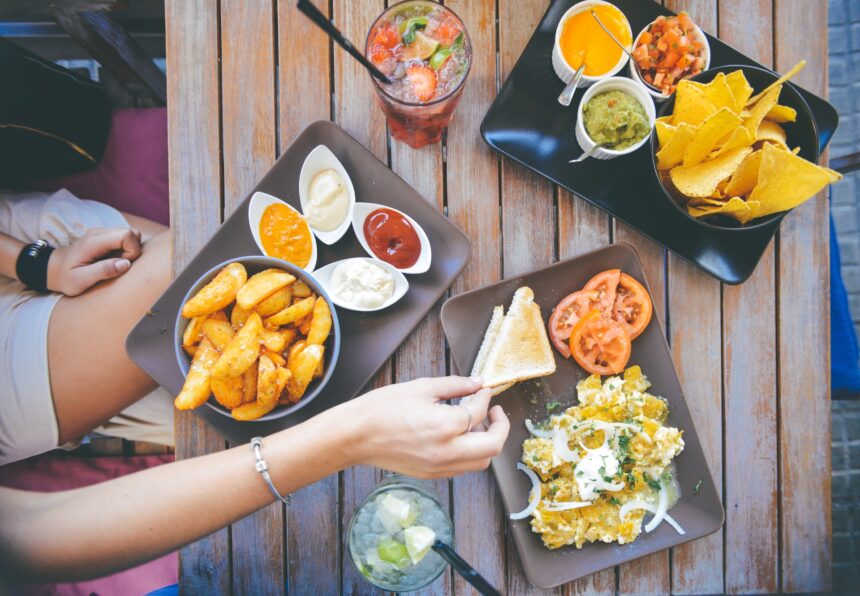
How many times have you eaten some version of a fried potato only ten minutes after a meal? How many times have you found yourself looking through the snack pantry and forgot how you got there? We all do it. It is normal to become overwhelmed by emotions and seek the comfort of a chip. In fact, there is a scientific reason for this. Anxiety increases certain hormones in our body and foods high in fat and sugar counteract their effect. An occasional anxiety-induced snack is fine. No one is perfect and self-soothing with food feels nice. But when eating is our regular response to anxiety, then it becomes unhealthy. What can you do when anxious eating has become a habit? So many things!
Real Hunger vs Anxious Eating
The first step is to know the difference between real hunger and anxiety-driven cravings. When we’re hungry, we can usually feel a physical response. Our stomach growls or we feel tired. We usually get hungry slowly before we can’t take it anymore and need to eat something. With real hunger, we don’t crave specific foods. We are happy to eat a wide range of food to fill our stomachs. Once we are physically full, we can stop eating. Anxious eating usually happens suddenly. The need to eat becomes urgent. It is driven by a craving for a specific fatty food like ice cream or chips. With anxious eating, there is no limit on portions. We can inhale a whole pizza in one sitting and not even remember the first bite. And we always feel ashamed afterward.
Identify the Trigger
The next step is to identify what triggers our anxiety and food cravings. It could be a meeting with a manager or a conversation with a parent. It could be walking past the broken shoe rack that you’re supposed to fix but keep delaying. Next time you feel like anxious eating, figure out what just happened before the thought came into your mind. Be as specific as you can. For example, being bored is too vague. Maybe it is the anxiety of finishing your work early and not having anything to do the rest of the day disguised as boredom. Or the anxiety of not having as many hobbies as you’d like that’s disguised as boredom.
Observe the Behavior
Once we are triggered by our anxiety, there is a routine we follow to satisfy our cravings. We may remember a dish we saw on TV and look up restaurants that deliver it. Everything from ordering food online to walking to the office cafeteria is part of the satisfaction. Some of us may like to get creative, assembling a fancy ice cream sundae or melting cheese on nachos in the microwave. Others find themselves standing next to the pantry, staring at the options for numerous minutes. All of these behaviors are important to observe if we want to change our habits.

Change the Habit
Now, it’s time to get to work. We want to stop using food to manage anxiety. Using the information on our triggers and behavior, we can apply different methods to change our anxious eating habits.
- The easiest and most difficult solution is to directly address the source of anxiety. Pay the electricity bill or trim the garden. If you know what’s causing your anxiety, just address it and end the pain.
- Time can also help. When you feel the anxiety come on, don’t do anything. Sit tight. Let it pass. Don’t act on it.
- Go through the anxious eating routine but don’t complete it. For example, go online and take your time browsing menus. Pick the pizza toppings and even go to the payment page. Or walk to your kitchen and look through the fridge and pantry. Spend all the time you want studying the options. Then don’t complete the action. See if you’re still craving food afterward.
- Replace the eating with an equally satisfying but less unhealthy option. Maybe call a friend to discuss your anxiety or read up on celebrity gossip.
- Find more long-term solutions to anxiety. Therapy, meditation and exercise are great ways to manage our daily anxieties.
Another great way to manage anxiety is to read inspirational words and thoughts by people from around the world who have overcome various limitations and addictions. You can read about them here at Treasure Quotes.
Appreciate the Effort
Whichever method you use, take some time afterward to observe your feelings. How great does it feel to work through the anxiety and not feel the shame of overeating? How relaxing does it feel to be in the moment and be there for yourself when anxiety tries to overwhelm you? The goal of this exercise is to take care of our health. Another proven method for improving mental health is practicing gratitude. When we thank ourselves for our efforts and feel the joy of accomplishing our goals, we become more motivated to work hard and grow. You can also check www.treasurequotes.com to find motivations to reduce anxiety as a whole which will help manage anxious eating.