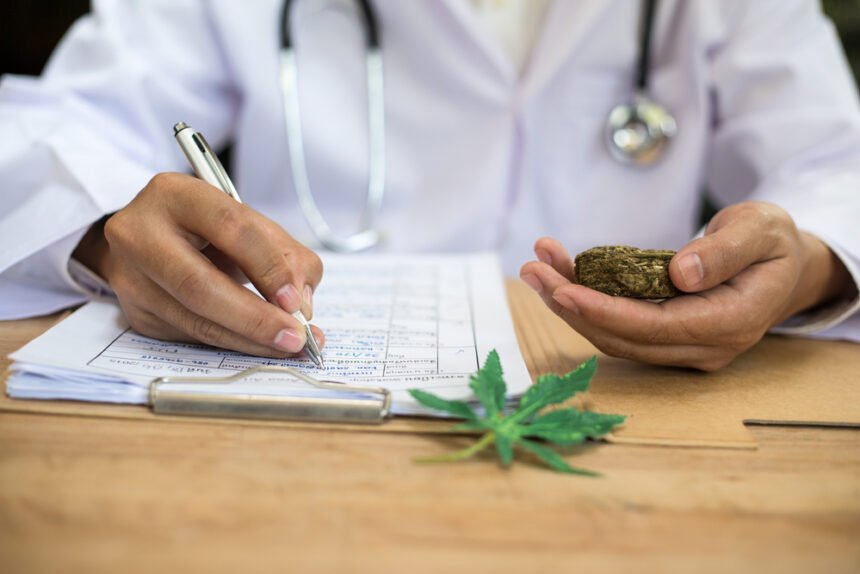
When you are sick, you should have access to every possible treatment to improve your health. However, when the treatment is potentially controversial, like medical marijuana, you might be hesitant to ask your health care provider about the possibility of acquiring a prescription.
If talking to your doctor face-to-face makes you feel uncomfortable, you can seek help from Green Health Docs and get certified for your medical marijuana card online, via a scheduled video conference. Most states, including Georgia, have legalized medical cannabis, so you can schedule your medical marijuana certification appointment online for a quick and awkward-free process.
In truth, you shouldn’t be nervous about the prospect of discussing medical marijuana with your health care provider, as long as you approach the conversation with composure backed by your own research on the topic. Still, if you want some help with how to broach the subject with your provider, here are a few ways to prepare for a health care talk about medical marijuana:
Look Into the Medical Marijuana Laws in Your State
You don’t need to be a legal scholar to ask your doctor about the option of using cannabis treatment, but it is a good idea to have a firm grasp on how medical marijuana is managed in your state. You can find resources online for medical marijuana programs in every state, detailing which patients can apply, how the application process works and how patients can access cannabis treatments. During your research, you should verify that your health condition qualifies you to participate in your state’s program, and you should understand what you need from your health care provider if they agree that cannabis is a viable treatment for you.
More Read

Reflect on How Medical Marijuana Might Benefit Your Health Condition
Cannabis isn’t a cure-all. Research has found a number of beneficial effects of cannabis, but they tend to address specific health concerns, such as:
- Pain and inflammation
- Nausea and digestive trouble
- Anxiety, depression and stress disorders
- Epilepsy and neurodegeneration
- Intraocular pressure
Many serious and devastating health conditions are more manageable thanks to marijuana treatments. If you can find evidence that some symptom of your medical concern will be mitigated thanks to cannabis, you should take note, so you can bring it up when you talk to your doctor.
Consider How You Want to Consume Medical Marijuana
While many medications are only available in one form or another — like pills, sprays, suppositories and more — cannabis treatments can be administered in many different ways. Cannabis can be smoked, vaped, ingested as capsules, administered on the gums or under the tongue, mixed into food or drink, applied to the skin, and more.
If you don’t have much experience using cannabis, you might take some time to investigate the options in your area. Again, state law might limit the options of medical marijuana patients, so research is crucial. In places with less restrictive cannabis laws, like Colorado, you can venture into Denver dispensaries and talk to budtenders to better understand what consumption method will work best for you.
Understand What Your Provider Can Do for You
Because cannabis remains a controversial medical treatment — and because the drug is still illegal under federal law — health care providers tend to be a bit constrained in how they can talk about cannabis treatments with patients. Unlike other medications, cannabis is not available in the form of samples from doctors; in fact, doctors cannot write prescriptions for cannabis as they would for other medications or treatments. Instead, if you and your provider agree that cannabis is an appropriate course of action, they will merely recommend you to the state’s medical marijuana program with a written certification of your condition to be included in your application.
Still, providers are invaluable resources to understanding whether cannabis is right for you. Because information about the effects of cannabis can be confusing, especially if you are doing your research online, your doctor will be able to clarify how cannabis is likely to impact your health condition — both positively and negatively. What’s more, your doctor can help you identify any potential conflicts with existing medications, which you absolutely want to avoid.
Whatever preconceived notions you have about cannabis, you should be open to what your provider has to say about the drug and your unique medical circumstance. You don’t want to risk discomfort or setbacks on your path to health just for the opportunity to get high.
Recognize that Not All Doctors Support Medical Marijuana
When you approach your provider with questions about medical cannabis, you should expect an open conversation about its advantages and disadvantages — but if your provider rejects the topic outright, you might want to get a second opinion. Some doctors are biased against medical cannabis, ignoring decades of research demonstrating its value and believing false propaganda about the drug instead. If you suspect that your doctor is unreasonably against cannabis as a medical treatment, you shouldn’t feel bad seeking out another health care provider to talk to.
Preparation is key when it comes to discussing the merits of medical marijuana with your health care provider. The more you know going into your cannabis conversation, the better you can serve as your own health advocate, and the more likely you are to receive the care you deserve.