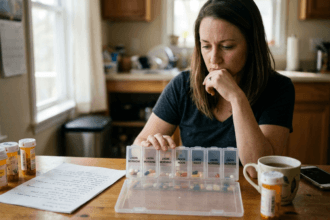
Did you know that over 21 million Americans suffer from a substance abuse disorder? Many others also suffer from other addictions such as gambling.
You want to know what measures to take to help your friends and family if they are in this situation. Keep reading to learn more.
Helping a Family Member with an Addiction
Whether it’s using illegal drugs or gambling, addiction can bring out a wide range of adverse effects. Apart from causing drastic changes to the body, addiction can also affect a person’s cognitive performance and social relationships.
An individual’s family can play a crucial role in helping them overcome their condition. Having a loved one with an addiction problem can be difficult, but as the person’s immediate source of security and comfort, you could prevent the problem from worsening. If you are not sure how to get started, here’s a guide to help you lend a hand to a loved one in need. You can also take these steps if you have an addiction of your own.

1. Show patience and compassion
It can get frustrating, but helping someone recover from an addiction is not an overnight process. The person could resist any form of outreach, but this shouldn’t stop you from helping them solve this problem. You must view addiction as a disease that needs to be treated. So, be patient with the person and let them know that you are always there to help them win this battle.
2. Be firm when you have to
When it comes to helping someone who suffers from addiction, the least you could do is to indirectly reinforce their addiction. This is called enabling and it can take a variety of forms, such as giving the person money to use for their indulgence, ignoring the problem as though it doesn’t exist, and tolerating socially and emotionally destructive actions. Your role as a family member is to help the person realize that they have a problem in the first place, so it’s important to stand firm and put your foot down if you need to.
3. Encourage them to go into rehab
You can’t force the person to accept any form of addiction rehab unless they are under the age of 18. If you have a loved one that’s over that age, you can try reaching out to them and letting them know the problems their addiction is causing. They could make a conscious effort to seek help with drug addiction or alcoholism. If talking to them doesn’t work, you can check if the state you are in allows involuntary commitment or offers supervised addiction treatment programs.
4. Be present throughout their journey
Recovering from an addiction is a lifelong process that comes with numerous challenges. For one, your loved one could experience a relapse and waste the gains they have made. You need to maintain a presence throughout their journey by attending therapy sessions and taking part in activities that will steer them away from the problem. Not only that, but you should also encourage other family members to take on a supportive role and help create an environment where the person feels secure and loved. That way, you can minimize or eliminate any chance of relapsing.
Help Your Family Recover from the Pains of Addiction
Having someone in the family who suffers from addiction shouldn’t be an object of shame. Instead, it should be an opportunity for you to show unity and help a struggling loved one on the path to a full recovery.