
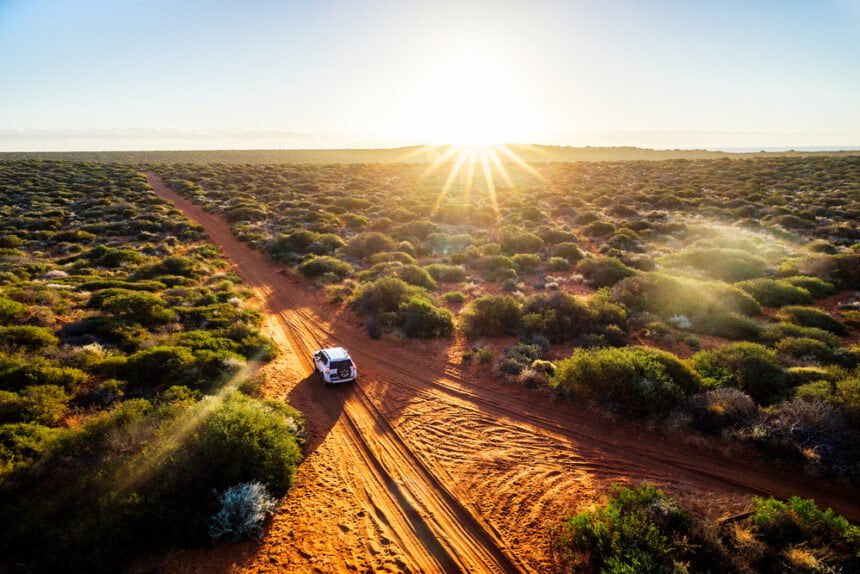
You may be hesitant to visit Australia, because you believe it is a dangerous continent. After all, it conjures up images of poisonous snakes, great white sharks and hungry crocodiles. However, this misconception shouldn’t stop you from visiting this amazing country. When it comes to personal safety, Australia is one of the safest places you can go.
However, Australia is a huge place – and in the regional or rural areas, breakdowns, wildlife, and other nasties can ruin an otherwise breathtaking and memorable holiday. No matter where you go you need to research your destination, and Australia is no different.
There are a few things to consider when taking an Australian holiday or extended trip; here are our top tips to stay safe when travelling the Great Southern Land. You need to follow the basic safety tips when traveling anywhere.
Talk to Your Doctor Before Your Trip
Travelers should consult with a physician roughly 6-8 weeks prior to embarking on a trip. This gives the doctor enough time to get the information needed to properly inform you about the health risks of your trip, as well as confirming that the destination is safe. Older travelers or individuals with chronic diseases may require specialized care which may potentially be difficult to obtain overseas, so their doctor can give insights on what they need to do. Pregnant women are also advised to speak with an obstetrician, travel insurer and airline in order confirm their readiness and ability to traverse and determine if any further steps must be taken in order to reduce risk of harm towards one’s self and unborn child. Vaccinations/booster schedule will need to be discussed as this can vary depending on the intended area of visit; some places may require multiple courses before departing. Lastly, a practitioner can provide guidance about what steps you should take when traveling abroad for reducing potential health risks during foreign travel.
More Read
Get the Right Vaccinations
It’s important to speak to your doctor or healthcare provider about which vaccinations you need for your trip. Determine how many doses of the vaccine are necessary and when to schedule the shots. You may need multiple vaccines that are administered over a period of time. In addition, depending on your destination, it may be wise to purchase mosquito nets, repellents, and medications before leaving Australia due its higher quality standards in comparison with other countries.
You may want to ask your doctor about getting the yellow fever, hepatitis A, hepatitis B, rabies, Japanese encephalitis, meningitis and polio vaccines. These are the vaccines that the WHO and CDC recommend to people visiting Australiia.
Learn the road rules
Don’t get caught out! Australia is one of the few nations in the world that drive on the left – for people visiting from the UK or New Zealand, they’ll feel right at home. For everyone else, this can take some getting used to – even as a pedestrian. Every year, tourists and travelers forget the left-hand driving rule and have accidents. Read up on the road rules before you arrive – and if possible, get some driving practice in during quiet hours if you’re planning on driving yourself.
Know your wildlife
Australia is known for its creepy crawlies and exotic wildlife. In the bush, there are many poisonous and venomous animals such as spiders and snakes. Either using your phone or a field guide, learn to identify harmful wildlife in Australia. At any rate, you should avoid disturbing nests by sticking to walking or driving paths. If you see a poisonous or dangerous animal, stay calm and don’t draw panic. Learn basic first aid as a precaution. Knowing your animals or insects could quite literally save your life.
Remote travel – be prepared
Bring enough food and drink, as well as items for warmth and shelter. You should also consider taking first aid kits, extra fuel, and signalling equipment such as flares if you are planning to go on long remote drives. Give a trusted person a copy of your schedule and bring communication tools like a mobile phone and a long-range radio that can be powered by hand-crank or batteries.
In an emergency, you can call Triple Zero (000) to request help from local authorities. For upgraded Android and iPhone smartphones, Australia also offers Advanced Mobile Location (AML).
Get travel insurance
Travel Insurance is the one item that cannot be negotiated and must be purchased before departure. Travel insurance is one thing you must include on your safe travel checklist. It is too late to purchase a new coverage if you find yourself in a scenario where you must file a claim. insurance coverage can vary, but you should be covered for emergency medical, evacuation, or repatriation. Other insurance policies may include coverage for lost baggage or stolen items, and cancellations or delays. If you are staying for extended periods or working, you should take out overseas visitors’ health cover.
Read travel advisories
Though Australia is mostly safe, there are some places you should not travel into due to intense hurricanes (cyclones), floods, or wildfires (bushfires.) The State Department may issue these travel advisories or local civil emergency authorities. Pay attention to the news on radio and TV when travelling through remote parts of Australia for updates on natural disaster zones. Don’t get caught out!




-330x220.jpg)