
The Hidden Link Between Physical and Emotional Pain
When you experience chronic pain, it affects every aspect of your life—your ability to work, your relationships, your sleep, and your overall sense of well-being. What many people don’t realize is that chronic pain and mental health conditions are deeply interconnected, creating a cycle that can feel impossible to break. Understanding this relationship is the first step toward finding comprehensive solutions that address both your physical discomfort and emotional struggles.
- The Hidden Link Between Physical and Emotional Pain
- How Chronic Pain Affects Your Mental Health
- The Role of Mental Health in Pain Perception
- Common Co-Occurring Conditions
- The Danger of Self-Medication
- Why Integrated Treatment Matters
- Evidence-Based Approaches for Managing Both Pain and Mental Health
- The Role of Mindfulness and Body Awareness
- Movement and Physical Approaches
- Medication Management in Dual Diagnosis Treatment
- The Importance of Trauma-Informed Care
- Building a Support System
- Creating Your Path Forward
Chronic pain affects approximately 50 million adults in the United States, and research shows that people living with persistent pain are three times more likely to develop depression or anxiety disorders. This isn’t simply correlation—there’s a biological and psychological explanation for why your body and mind respond to each other in such profound ways.
How Chronic Pain Affects Your Mental Health
Living with pain that persists for months or years fundamentally changes how your brain processes information. When pain becomes chronic, your nervous system remains in a heightened state of alert, constantly sending distress signals that wear down your emotional resilience. This biological stress response depletes neurotransmitters like serotonin and dopamine—the same chemicals that regulate your mood and sense of pleasure.
You might notice that as your pain intensifies, you feel increasingly irritable, hopeless, or disconnected from activities you once enjoyed. This isn’t a character flaw or weakness—it’s your brain responding to sustained physical stress. The constant battle against pain exhausts your mental resources, leaving you vulnerable to depression, anxiety, and in some cases, trauma-related conditions.
More Read

Sleep disruption plays a significant role in this connection. Chronic pain frequently interferes with your ability to achieve restorative sleep, and sleep deprivation amplifies both pain perception and emotional distress. You may find yourself caught in a vicious cycle: pain prevents sleep, lack of sleep increases pain sensitivity, and both factors contribute to worsening mental health symptoms.
The Role of Mental Health in Pain Perception
The relationship between pain and mental health flows in both directions. Just as chronic pain can trigger mental health conditions, existing anxiety or depression can intensify your experience of physical pain. Your emotional state directly influences how your brain interprets pain signals, which explains why stress, worry, or sadness can make your pain feel more severe.
When you’re anxious or depressed, your brain’s pain-processing centers become more sensitive. This phenomenon, called central sensitization, means that your nervous system amplifies pain signals, making you more aware of discomfort and less able to filter out minor sensations. What might be a tolerable ache for someone else becomes overwhelming for you, not because you’re imagining it, but because your brain is genuinely processing pain differently.
Catastrophic thinking—the tendency to assume the worst possible outcomes—further intensifies this cycle. When you believe your pain will never improve or that it signals something seriously wrong, your anxiety spikes, which in turn increases muscle tension and stress hormones that heighten pain sensitivity. Breaking free from these thought patterns requires addressing both the physical and psychological components simultaneously.
Common Co-Occurring Conditions
Several mental health conditions frequently appear alongside chronic pain conditions. Understanding these patterns helps you recognize when you might benefit from integrated treatment approaches that address multiple challenges at once.
Depression and chronic pain share such a strong connection that some researchers consider them different expressions of the same underlying neurobiological dysfunction. Both conditions involve similar brain regions and neurotransmitter systems, particularly those related to serotonin and norepinephrine. If you’re living with chronic pain, you face a significantly elevated risk of developing major depressive disorder, characterized by persistent sadness, loss of interest in activities, changes in appetite or sleep, and feelings of worthlessness or hopelessness.
Anxiety disorders, including generalized anxiety disorder and panic disorder, also commonly co-occur with chronic pain. The uncertainty of not knowing when pain will flare up or worrying about its long-term impact creates constant background stress that manifests as excessive worry, restlessness, difficulty concentrating, and physical tension that can worsen pain symptoms.
Post-traumatic stress disorder (PTSD) frequently develops in people who’ve experienced traumatic injuries or medical procedures. The trauma isn’t just psychological—your body remembers the physical experience, and this somatic memory can contribute to ongoing pain even after tissues have healed. PTSD symptoms like hypervigilance and avoidance behaviors can also limit your engagement in activities that might help manage pain, such as physical therapy or social connection.
The Danger of Self-Medication
When you’re dealing with both physical pain and emotional distress, the temptation to find quick relief can be overwhelming. Many people turn to alcohol, prescription medications, or other substances as a way to cope with their suffering. While these substances might provide temporary relief, they create new problems that compound your existing challenges.
Prescription opioids, often prescribed for pain management, carry significant risks when used long-term. These medications can lead to physical dependence, tolerance (requiring higher doses for the same effect), and in many cases, substance use disorders. The opioid crisis has highlighted how easily pain management can transition into problematic use, particularly when underlying mental health conditions aren’t addressed.
Alcohol is another common form of self-medication. You might notice that a drink or two temporarily dulls both your physical pain and emotional distress. However, alcohol disrupts sleep quality, increases inflammation, interferes with pain medications, and worsens depression and anxiety over time. What begins as occasional use to take the edge off can quickly develop into dependence.
Benzodiazepines, prescribed for anxiety, present similar risks. While they provide short-term relief from anxiety symptoms, they can increase pain sensitivity with long-term use and carry high potential for dependence. When you’re managing both chronic pain and anxiety, the combination of multiple medications increases risks of harmful interactions and complicated withdrawal symptoms.
Why Integrated Treatment Matters
Traditional medical approaches often treat pain and mental health as separate issues, sending you to different specialists who may not communicate about your complete picture. This fragmented care misses the fundamental connection between your physical and emotional experiences. Integrated treatment recognizes that you can’t effectively address chronic pain without considering your mental health, and vice versa.
Comprehensive approaches that treat co-occurring conditions simultaneously show significantly better outcomes than treating each issue in isolation. When you receive care that addresses both your pain and your mental health, you’re more likely to experience meaningful improvements in both areas. This is particularly important for individuals who’ve developed substance use concerns while trying to manage their symptoms, as specialized recovery centers can provide the dual diagnosis expertise needed to address multiple interconnected challenges.
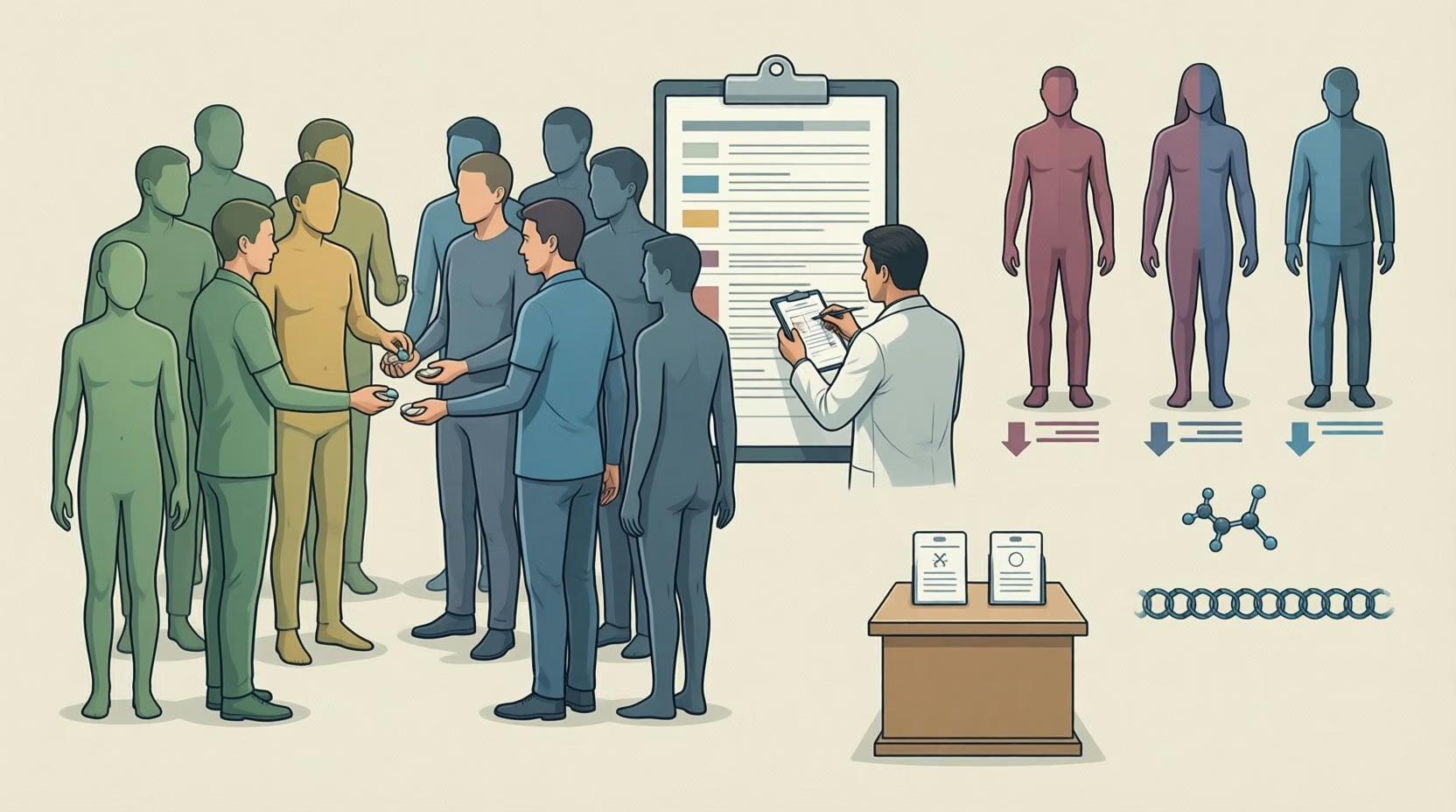
Integrated treatment typically involves a multidisciplinary team that might include physicians, mental health therapists, pain specialists, physical therapists, and other healthcare providers who collaborate on your care plan. This team approach ensures that treatments for one condition don’t inadvertently worsen another and that all aspects of your health are considered in treatment decisions.
Evidence-Based Approaches for Managing Both Pain and Mental Health
Several therapeutic approaches have demonstrated effectiveness in treating both chronic pain and mental health conditions simultaneously. These methods recognize the mind-body connection and work to interrupt the pain-distress cycle at multiple points.
Cognitive Behavioral Therapy (CBT) has strong research support for treating both chronic pain and mental health conditions. CBT helps you identify and change thought patterns that amplify your suffering, develop coping strategies for managing pain flares, and reduce catastrophic thinking that intensifies both pain and anxiety. Through CBT, you learn to recognize the connection between your thoughts, emotions, physical sensations, and behaviors, giving you tools to intervene in the pain-distress cycle.
Dialectical Behavior Therapy (DBT) offers particularly valuable skills for managing the emotional intensity that often accompanies chronic pain. DBT teaches distress tolerance techniques that help you cope with pain without turning to harmful behaviors, mindfulness practices that change your relationship with physical sensations, and emotion regulation skills that prevent your feelings from becoming overwhelming. These skills are especially helpful when you’re dealing with both pain and conditions like anxiety or PTSD.
Acceptance and Commitment Therapy (ACT) takes a different approach by helping you develop psychological flexibility—the ability to experience pain without letting it control your life. Rather than focusing solely on pain reduction, ACT helps you clarify your values and take meaningful action even when you’re uncomfortable. This approach can be particularly liberating if you’ve felt that pain has stolen your identity or prevented you from living according to your values.
The Role of Mindfulness and Body Awareness
Mindfulness practices offer powerful tools for managing the intersection of pain and mental health. When you practice mindfulness, you learn to observe your physical sensations and emotional experiences without immediately reacting to them or judging them as good or bad. This creates space between your pain and your response to it, reducing the secondary suffering that comes from resisting or catastrophizing about your discomfort.
Body scan meditations help you develop a different relationship with physical sensations. Instead of tensing against pain or trying to ignore it, you learn to notice sensations with curiosity and compassion. Many people discover that when they stop fighting their pain, it becomes more manageable. The pain itself may not disappear, but the suffering around it—the frustration, fear, and resistance—often decreases significantly.
Mindfulness-Based Stress Reduction (MBSR) and Mindfulness-Based Cognitive Therapy (MBCT) are structured programs that combine mindfulness meditation with cognitive therapy techniques. Research shows these approaches can reduce pain intensity, improve physical functioning, and decrease symptoms of depression and anxiety. You learn practical skills for managing stress, regulating emotions, and responding skillfully to difficult experiences.
Movement and Physical Approaches
While it might seem counterintuitive when you’re in pain, appropriate physical activity is one of the most effective treatments for both chronic pain and mental health conditions. Movement releases endorphins—your body’s natural pain relievers—and also boosts mood-regulating neurotransmitters like serotonin and dopamine.
The key is finding movement that works for your body and current condition. This might mean gentle yoga, swimming, walking, tai chi, or physical therapy exercises designed specifically for your needs. The goal isn’t to push through pain but to gradually increase your activity level in ways that build strength, flexibility, and confidence without causing flare-ups.
Yoga deserves special mention for its effectiveness in addressing both pain and mental health. Yoga combines physical postures, breathing exercises, and meditation in ways that directly target the pain-stress cycle. Regular practice can reduce inflammation, improve sleep, decrease anxiety and depression symptoms, and help you develop greater body awareness and acceptance.
Medication Management in Dual Diagnosis Treatment
When you’re dealing with both chronic pain and mental health conditions, medication management becomes more complex. You need healthcare providers who understand how different medications interact and who can develop a comprehensive approach that addresses all your symptoms while minimizing risks.
Some medications can effectively treat both pain and mental health conditions. Certain antidepressants, particularly SNRIs (serotonin-norepinephrine reuptake inhibitors), have demonstrated effectiveness for both depression and certain types of chronic pain, especially neuropathic pain. These medications work by increasing neurotransmitters that regulate both mood and pain perception.
If you’ve been using opioids or other potentially problematic substances to manage your symptoms, medication-assisted treatment (MAT) might be an important component of your care. MAT uses medications like buprenorphine or naltrexone to reduce cravings and withdrawal symptoms while you work on developing healthier coping strategies. This approach is most effective when combined with therapy and other supportive services.
The Importance of Trauma-Informed Care
Many people living with chronic pain have trauma histories, whether related to the injury or illness that caused their pain or from earlier life experiences. Trauma can fundamentally change how your nervous system responds to stress and pain, making trauma-informed care essential for effective treatment.
Trauma-informed approaches recognize that your symptoms—whether physical pain, anxiety, depression, or substance use—may be adaptive responses to overwhelming experiences. Rather than asking “What’s wrong with you?” trauma-informed providers ask “What happened to you?” This shift in perspective creates space for healing that addresses root causes rather than just managing symptoms.
Trauma-focused therapies like Eye Movement Desensitization and Reprocessing (EMDR) can help process traumatic memories that contribute to ongoing pain and distress. When trauma is resolved, many people experience significant reductions in both physical pain and mental health symptoms.
Building a Support System
Managing chronic pain and mental health challenges is not something you should do alone. Building a strong support system is crucial for long-term success. This might include healthcare providers, therapists, support groups, family members, and friends who understand your experiences.
Support groups specifically for people living with chronic pain can reduce feelings of isolation and provide practical strategies from others who truly understand your challenges. Similarly, mental health support groups offer connection with people who share similar struggles. Many communities and online platforms offer specialized groups for people managing co-occurring conditions.
Don’t underestimate the value of peer support. Connecting with others who’ve successfully managed similar challenges can provide hope, practical advice, and encouragement during difficult times. Hearing someone else’s story of recovery and improvement reminds you that change is possible.
Creating Your Path Forward
If you’re struggling with both chronic pain and mental health challenges, know that effective help is available. The first step is acknowledging that these issues are connected and seeking care that addresses both simultaneously. You deserve treatment that sees you as a whole person rather than a collection of separate symptoms.
Start by talking honestly with your healthcare providers about all your symptoms—physical, emotional, and behavioral. If you’ve been using substances to cope, be open about this as well. Your providers can’t help you effectively if they don’t have the complete picture. If your current providers aren’t addressing the connection between your pain and mental health, it may be time to seek providers who specialize in integrated care.
Remember that healing is not linear. You’ll have good days and difficult days, and that’s completely normal. Progress might look like having more good days than bad, managing flare-ups more effectively, or feeling more hopeful about your future. Celebrate these victories, even when they seem small.
Your pain and mental health challenges don’t define you, even though they significantly impact your life right now. With appropriate support, evidence-based treatments, and your own commitment to healing, you can develop the skills and strategies needed to manage your symptoms and reclaim your quality of life. The connection between your physical pain and emotional well-being means that as you address one, you’ll likely see improvements in the other. This interconnection, which has felt like a curse, can actually become a pathway to comprehensive healing when you approach it with the right support and resources.