
When you’re living with chronic pain, it can feel like your body has become a prison. The constant ache, the sharp jolts that interrupt your day, the exhaustion that comes from fighting discomfort—these aren’t just physical sensations. They’re experiences that reshape your entire world, including your mental and emotional landscape.
- How Chronic Pain Rewires Your Brain
- The Psychological Toll of Living with Persistent Pain
- When Pain Leads to Substance Use
- Breaking the Cycle: Integrated Treatment Approaches
- The Role of Physical Approaches in Mental Health
- Medication Considerations for Dual Conditions
- Building Your Support Network
- Lifestyle Modifications That Support Both Pain and Mental Health
- Addressing Trauma’s Role in Pain and Mental Health
- Moving Forward: Hope and Realistic Expectations
- The Path to Integrated Healing
What many people don’t realize is that chronic pain and mental health conditions aren’t just coincidental companions—they’re deeply interconnected in ways that science is only beginning to fully understand. This relationship works both ways: persistent physical pain can trigger or worsen mental health challenges, while conditions like depression and anxiety can actually amplify your perception of pain and make recovery more difficult.
Understanding this connection isn’t just an academic exercise. It’s the key to finding relief that actually works, rather than treatments that only address half of what you’re experiencing.
How Chronic Pain Rewires Your Brain
Your brain is remarkably adaptable, constantly forming new neural pathways based on your experiences. This neuroplasticity is usually beneficial—it’s how you learn new skills and adapt to changes. But when pain becomes chronic, this same adaptability can work against you.
More Read

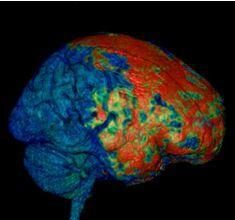
Research shows that prolonged pain literally changes the structure of your brain. Areas responsible for processing pain signals become more sensitive and reactive, while regions that regulate emotions and stress responses can become less effective. The prefrontal cortex, which helps you manage emotions and make decisions, may actually shrink in volume. Meanwhile, the amygdala—your brain’s fear and anxiety center—can become hyperactive.
These changes aren’t imaginary or “all in your head” in the dismissive sense. They’re measurable, physical alterations that help explain why chronic pain so often co-occurs with depression, anxiety, and other mental health conditions. When your pain pathways are constantly firing, they’re using up neurological resources that would otherwise help you regulate mood, maintain motivation, and experience pleasure.
The neurotransmitters involved in pain perception—serotonin, norepinephrine, and dopamine—are the same ones that regulate your mood. When chronic pain disrupts these chemical messengers, it creates a biological foundation for depression and anxiety. You might notice that your pain feels worse when you’re stressed or sad, and that managing your pain becomes harder when you’re emotionally overwhelmed. This isn’t weakness; it’s neurobiology.
The Psychological Toll of Living with Persistent Pain
Beyond the neurological changes, chronic pain takes a profound psychological toll that can’t be measured on brain scans. When pain persists for months or years, it affects every aspect of your identity and daily life.
You might find yourself withdrawing from activities you once loved because they’ve become too difficult or unpredictable. Social isolation often follows, as you cancel plans, miss events, and gradually lose connection with friends and community. This isolation itself is a major risk factor for depression—humans are social creatures, and meaningful connection is essential for mental health.
Chronic pain also disrupts your sense of control and agency. When your body becomes unreliable, when you can’t predict what you’ll be capable of from one day to the next, it creates a persistent undercurrent of anxiety and helplessness. You might develop catastrophic thinking patterns, where you automatically assume the worst outcome or interpret every new sensation as a sign of deterioration.
Sleep disturbance is another critical link between chronic pain and mental health. Pain can make it difficult to fall asleep or stay asleep, and the resulting sleep deprivation significantly increases your risk for depression and anxiety while also lowering your pain threshold. It’s a vicious cycle where each problem reinforces the others.
Financial stress often compounds these challenges. Chronic pain may limit your ability to work, leading to income loss and mounting medical bills. The stress of financial insecurity is itself a powerful trigger for mental health conditions, adding another layer to an already complex situation.
When Pain Leads to Substance Use
One of the most concerning intersections between chronic pain and mental health involves the use of substances to manage suffering. When you’re desperate for relief from unrelenting pain, and when conventional treatments aren’t providing adequate help, it’s understandable that you might turn to medications or other substances that offer temporary respite.
Prescription opioids, while effective for acute pain, carry significant risks when used long-term for chronic conditions. Your body develops tolerance, requiring higher doses to achieve the same relief. Physical dependence can develop quickly, and the line between therapeutic use and substance use disorder can become blurred before you realize what’s happening.
Beyond prescription medications, some people turn to alcohol to numb both physical and emotional pain. Others might use cannabis, benzodiazepines, or other substances in an attempt to manage pain, sleep better, or quiet anxious thoughts. What begins as self-medication can evolve into a separate problem that requires specialized intervention.
The challenge is that substance use disorders, chronic pain, and mental health conditions often become entangled in ways that make each more difficult to treat. Comprehensive programs that address all three simultaneously—sometimes called “triple diagnosis” treatment—are essential for many people facing this complex situation. Organizations like Arista Recovery specialize in integrated approaches that recognize the interconnected nature of these challenges, treating co-occurring conditions rather than addressing them in isolation.
Recovery from substance use disorder while managing chronic pain requires careful coordination between pain management specialists, mental health professionals, and addiction treatment providers. It’s possible to find relief without substances, but it requires a treatment team that understands the full scope of what you’re experiencing.
Breaking the Cycle: Integrated Treatment Approaches
If you’re dealing with both chronic pain and mental health challenges, the most effective path forward involves treating both conditions simultaneously rather than sequentially. Integrated treatment recognizes that these aren’t separate problems requiring separate solutions—they’re interconnected aspects of your overall health that influence each other constantly.
Cognitive Behavioral Therapy (CBT) has strong evidence for treating both chronic pain and mental health conditions. For pain, CBT helps you develop different ways of thinking about and responding to pain signals. You learn to identify thought patterns that amplify suffering and replace them with more adaptive responses. For mental health, CBT addresses the negative thinking patterns and behaviors that maintain depression and anxiety.
Pain-specific CBT might include techniques like attention diversion, where you practice directing your focus away from pain sensations, or cognitive restructuring, where you challenge catastrophic interpretations of pain. These same skills transfer beautifully to managing anxiety and depression.
Acceptance and Commitment Therapy (ACT) is another powerful approach that’s particularly relevant for chronic pain. Rather than fighting against pain or trying to eliminate it completely, ACT helps you develop a different relationship with discomfort. You learn to acknowledge pain without letting it control your choices or define your identity. This acceptance-based approach reduces the emotional suffering that often accompanies physical pain and can significantly improve quality of life even when pain levels remain unchanged.
Mindfulness-based interventions, including Mindfulness-Based Stress Reduction (MBSR), teach you to observe pain and emotional distress without judgment or reactivity. Regular mindfulness practice has been shown to reduce pain intensity, improve emotional regulation, and decrease symptoms of depression and anxiety. The key is learning to notice sensations and thoughts without automatically getting caught up in them or trying to push them away.
The Role of Physical Approaches in Mental Health
While psychological interventions are crucial, physical approaches to pain management often have mental health benefits that extend beyond pain relief. This makes sense when you remember that your mind and body aren’t separate entities—they’re aspects of a unified system.
Physical therapy and movement-based treatments can improve both pain and mood. Exercise releases endorphins, your body’s natural pain relievers, while also boosting serotonin and dopamine levels. Even gentle movement like yoga, tai chi, or water therapy can reduce pain, improve function, and alleviate symptoms of depression and anxiety.
The challenge is that chronic pain often makes movement difficult or fear-inducing. You might worry about causing further injury or triggering a pain flare. This is where working with a physical therapist who understands chronic pain is essential. They can help you gradually rebuild confidence in your body’s abilities while respecting your current limitations.
Graded exercise therapy involves slowly increasing activity levels in a structured, supportive way. The goal isn’t to push through pain or achieve pre-injury activity levels immediately. Instead, you’re building tolerance gradually, learning to distinguish between discomfort that signals harm and discomfort that’s part of the reconditioning process.
Sleep hygiene deserves special attention because of its outsized impact on both pain and mental health. Establishing consistent sleep and wake times, creating a restful environment, limiting screen time before bed, and developing a calming bedtime routine can improve sleep quality even when pain makes sleep challenging. Better sleep, in turn, reduces pain sensitivity and improves emotional resilience.
Medication Considerations for Dual Conditions
When you’re managing both chronic pain and mental health conditions, medication decisions become more complex. Some medications can address both issues simultaneously, while others might help one condition but worsen another.
Certain antidepressants, particularly SNRIs (serotonin-norepinephrine reuptake inhibitors) like duloxetine and venlafaxine, have demonstrated effectiveness for both depression and certain types of chronic pain, especially neuropathic pain and fibromyalgia. These medications work on the same neurotransmitter systems involved in both pain perception and mood regulation.
Tricyclic antidepressants, while older, can be effective for both chronic pain and depression at lower doses than typically used for depression alone. However, they come with more side effects than newer medications, so the decision to use them involves weighing benefits against potential drawbacks.
It’s important to work closely with healthcare providers who understand both pain management and mental health. Some pain medications can worsen depression or interact with psychiatric medications. Similarly, some psychiatric medications might affect pain sensitivity or interact with pain treatments. Open communication about all medications and supplements you’re taking is essential for safety and effectiveness.
For people with a history of substance use disorder, medication choices require even more careful consideration. Non-addictive pain management options should be prioritized, and any potentially habit-forming medications should be prescribed with appropriate safeguards and monitoring.
Building Your Support Network
You don’t have to navigate the intersection of chronic pain and mental health alone. In fact, trying to manage these challenges in isolation often makes them worse. Building a comprehensive support network is one of the most important steps you can take toward healing.
Your support network might include healthcare providers (primary care physician, pain specialist, mental health therapist, psychiatrist), but it should extend beyond medical professionals. Peer support groups, whether in-person or online, connect you with others who truly understand what you’re experiencing. There’s tremendous value in sharing strategies, venting frustrations, and celebrating small victories with people who get it.
Family and friends are crucial sources of support, but they may need education about chronic pain and mental health to understand how to help effectively. Sometimes well-meaning loved ones offer advice that isn’t helpful or minimize your experience because they can’t see your pain. Having open conversations about what kind of support you need—whether that’s help with practical tasks, emotional validation, or simply companionship—can strengthen these relationships.
Consider working with a care coordinator or patient advocate if your treatment involves multiple providers. Coordinating between specialists, ensuring everyone has the information they need, and navigating insurance requirements can be overwhelming when you’re already dealing with pain and mental health challenges. Having someone help manage these logistics can reduce stress significantly.
Lifestyle Modifications That Support Both Pain and Mental Health
Beyond formal treatments, daily lifestyle choices profoundly impact both chronic pain and mental health. Small, sustainable changes often provide more lasting benefit than dramatic overhauls that are difficult to maintain.
Nutrition deserves attention because inflammation plays a role in both chronic pain and depression. An anti-inflammatory diet rich in fruits, vegetables, whole grains, fatty fish, and healthy fats may reduce pain and improve mood. Limiting processed foods, excess sugar, and alcohol can also help. The Mediterranean diet, in particular, has evidence supporting benefits for both pain and mental health.
Hydration is often overlooked but important. Dehydration can worsen both pain and mood, yet many people with chronic pain don’t drink enough water, especially if movement to the bathroom is painful or difficult.
Stress management techniques like deep breathing, progressive muscle relaxation, or guided imagery can be practiced anywhere and provide immediate relief from both pain flares and anxiety spikes. Building a toolkit of quick stress-reduction techniques gives you options when you need them most.
Pacing is a critical skill for managing chronic pain without triggering boom-bust cycles. This means breaking activities into smaller chunks, taking breaks before you need them, and maintaining a relatively consistent activity level rather than overdoing it on good days and crashing on bad days. Effective pacing reduces pain flares and the associated emotional distress.
Addressing Trauma’s Role in Pain and Mental Health
For many people, the relationship between chronic pain and mental health has roots in past trauma. Adverse childhood experiences, physical or emotional abuse, neglect, or other traumatic events can increase susceptibility to both chronic pain and mental health conditions later in life.
Trauma affects how your nervous system processes threat and safety. If you’ve experienced trauma, your nervous system may be stuck in a state of hypervigilance, constantly scanning for danger. This heightened state of arousal can amplify pain signals and contribute to anxiety and depression.
Additionally, trauma can be stored in the body, manifesting as chronic pain or tension in specific areas. Trauma-informed approaches to pain management recognize these connections and address them through therapies like EMDR (Eye Movement Desensitization and Reprocessing), somatic experiencing, or trauma-focused CBT.
If you suspect trauma may be contributing to your pain or mental health challenges, working with a trauma-informed therapist can be transformative. These professionals understand how to address painful memories and experiences safely, helping you process trauma without retraumatization.
Moving Forward: Hope and Realistic Expectations
Living with chronic pain and mental health challenges is genuinely difficult, and it’s important to acknowledge that reality rather than minimizing it with toxic positivity. Your experience is valid, your suffering is real, and you’re not weak for struggling with conditions that would challenge anyone.
At the same time, there is genuine reason for hope. With integrated treatment that addresses both pain and mental health, many people experience significant improvements in quality of life, even if pain doesn’t completely disappear. You can learn to have a different relationship with pain, develop effective coping strategies, and reclaim activities and connections that matter to you.
Recovery isn’t linear. You’ll have setbacks, bad days, and moments of discouragement. That’s normal and expected, not a sign of failure. What matters is the overall trajectory and your commitment to continuing forward even when progress feels slow.
Set realistic, personalized goals that reflect what matters to you rather than trying to return to exactly how things were before pain entered your life. Maybe your goal is sleeping through the night more often, reconnecting with a hobby in a modified way, or simply having more days where pain doesn’t dominate your thoughts. These goals are worthy and achievable.
Celebrate small victories. When you manage a pain flare without catastrophizing, when you reach out for support instead of isolating, when you practice a coping skill even though you don’t feel like it—these are all meaningful steps forward.
The Path to Integrated Healing
Understanding the connection between chronic pain and mental health is the first step toward effective treatment. Once you recognize that these conditions influence each other constantly, it becomes clear why addressing them together is so much more effective than treating them separately.
You deserve care that sees you as a whole person, not a collection of separate symptoms. You deserve providers who understand that your pain is real, your mental health matters, and both deserve attention and treatment. You deserve hope that improvement is possible, even if the path isn’t always straightforward.
If you’re currently struggling with chronic pain, mental health challenges, or both, know that you don’t have to figure this out alone. Reach out to healthcare providers, connect with support groups, and be patient with yourself as you navigate this complex terrain. Healing is possible, and you’re worth the effort it takes to find it.