
A current debate in the healthcare industry is whether or not certain technologies are helping or hurting patient satisfaction and outcomes. Inevitably, we want technology to connect and strengthen interactions between doctors and their patients, not get in the way.
When EMRs first came on to the scene, some providers felt they were too clunky and pulled focus from the human being sitting in the exam room. But with the emergence of tablet computing, health and wellness services have been successfully transformed.
A current debate in the healthcare industry is whether or not certain technologies are helping or hurting patient satisfaction and outcomes. Inevitably, we want technology to connect and strengthen interactions between doctors and their patients, not get in the way.
When EMRs first came on to the scene, some providers felt they were too clunky and pulled focus from the human being sitting in the exam room. But with the emergence of tablet computing, health and wellness services have been successfully transformed.
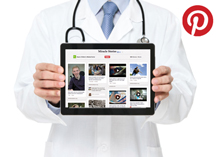
iPad EMRs allows mobility and make electronic charting more efficient. But beyond this, they enable doctors and patients to experience a fuller, richer interaction.
1. Better Communication – The Key to Patient Satisfaction
All practices are impacted by whether or not the patients are satisfied, engaged, and believe they are receiving quality care. According to the 26th Annual HIMSS Leadership Survey, 87% of respondents are making patient satisfaction a top priority for their organizations.
Patients and families appreciate any and all efforts to meet their needs and deliver the information they require. iPad EMRs let doctors share information much more quickly than was possible in the past. For instance, a few years ago, a doctor would have encouraged her patient to take a pamphlet home containing information about, say, managing diabetes.
Now that same doctor can pull up relevant educational material right on her tablet, including PDFs, videos and audio files. Together, doctor and patient can explore educational material about the disease, which leads to an overall better patient experience.
2. Engaged Patients
As helpful as it is for physicians to share educational material with their patients during appointments, those patients can become overwhelmed and walk out of the office with more questions than they walked in with.
Mobile technology enables patients to go home and review this information again and at their own pace, as well as share it with concerned family members. Beyond this, and perhaps more importantly, mobile technology allows providers to tailor patient education based on their preferred learning style. For example, while older patients may prefer to read PDF documents, younger patients may want to watch educational videos instead. Those with vision problems can listen to content via MP3 files.
iPad EMRs engage patients, and the more engaged a patient is, the more they will take part in their treatment plan, resulting in better health outcomes.
3. Quick and Easy Patient History Review
Before a patient appointment, doctors must spend a little time looking over the patient’s history to reacquaint themselves and determine the reason for the visit. iPad EMRs make this process incredibly quick and easy. Most contain patient facesheets that include a summary of active diagnoses, drug allergies and medications that have already been entered into their chart. Timelines contain the patients whole charting history, including vitals, SOAP notes and other chart notes.
4. Respectful Documenting
When someone comes to you anxious and in pain, they want and expect your full attention. This means facing them and making as much human eye contact as you possibly can. Doing so helps patients feel you are fully interacting with them.
Paper documentation made this difficult, and bringing a laptop into the exam room did little to help. But documenting on a small tablet lets you collect the information you need while still fully engaging and interacting with the patient.
5. Patients Can View Documentation
Patients want to know exactly what’s being written about them. Even if you wanted to share paper documentation, there is a good chance your patient wouldn’t be able to make heads or tails of the shorthand.
With an iPad, you can easily display your screen and review information together. Saying something as simple as, “I am going to send your prescription to this pharmacy, is that correct?” will give patients a sense of involvement and keep them engaged.
6. Templates Save Time
Every patient visit is different and some require more detail than others. The customizable templates that come along with the iPad EHR can be configured to the provider’s preference and will save much time during each visit. If further typing is necessary, that can be done after the visit has ended or by using a wireless, Bluetooth keyboard to type.
Tablets and mobile phones are a part of (a big part of) our daily lives, and today’s patients expect current technology to be used during a doctor visit. By using an iPad EMR, you’re not only showing them you are accepting of the new healthcare standards, you are enhancing the patient-provider relationship.