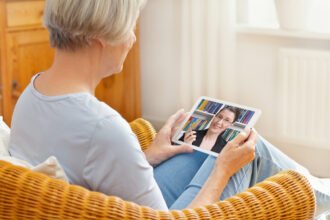

Physicians and wellness practitioners once mandated patient care, providing directives on treatment plans. Once the plan was created, the patient would return home, waiting to see the physician and sometimes even worrying about his health for another four to six months. As our health systems and relationships with our physicians have evolved, so too has the definition of care.
Understanding the Patient
Physicians and wellness practitioners once mandated patient care, providing directives on treatment plans. Once the plan was created, the patient would return home, waiting to see the physician and sometimes even worrying about his health for another four to six months. As our health systems and relationships with our physicians have evolved, so too has the definition of care.
Understanding the Patient
Patient-centered healthcare promotes an ongoing cycle of care that includes the opinions and preferences of the patient. While many hospitals have started to claim being “patient-centered” facilities, there are few physicians and patients who understand the true meaning of this type of care. A more exact definition of this type of patient-centered care includes:
- Quality, effective healthcare that is the responsibility of both the patient and the physician. The patient’s actions will have the most dramatic effect on his own mental and physical health, so healthcare providers and companies need to promote active patient and family involvement in deciding treatment plans.
- Healthcare solutions that fit the patient’s lifestyle and, when delivered correctly, are more beneficial and have fewer side effects than traditional healthcare solutions.
- Home health solutions that are accessible, easy to use, and proven.
Patient-centered care is more about focusing on the patient’s needs, wants, and individual lifestyle. It is about giving people the tools to take control of their own health through products and directives that they can maintain between periodic visits to their physician.
Why At-Home Care Makes Sense
Most people associate at-home healthcare with infirm, elderly, or handicapped patients. I define it as healthcare that not only provides choices for patients and their families, but also fits into the patient’s lifestyle and – when delivered correctly – is more beneficial than traditional in-patient or home healthcare solutions.
Patient-centered care must provide consistent and comfortable treatment options to those who need it. Patients with chronic conditions, or those who are extremely susceptible to contracting other diseases, will be more comfortable and will receive more healing benefits from home care. Not only are patients removed from germs and bacteria present in traditional hospitals and doctors’ offices, but the costs of staying in a hospital or frequent, hefty co-pays are removed from the equation, making at-home healthcare a more comfortable, safer, and less expensive alternative to traditional healthcare.
From the Hospital to Home
Accessibility is still the main barrier for at-home healthcare to become an effective tool in treatment. As more physicians and increasingly educated patients become aware of new technologies and tools being used to manage pain and reduce inpatient sessions (such as physical therapy or injections), there will be greater opportunities for both parties to openly discuss the physical and physiological benefits of at-home healthcare as part of a patient-centered care treatment plan. It’s important that hospitals and other centers offering healthcare bring home healthcare into the discussion to not only improve their success rates, but to also improve the daily lives of their patients.
Together, these discussions will lead to more proactive and health-conscious patients who won’t just wait till their next six-month appointment to make a plan for a healthier and more fulfilling life. And that’s an outcome we all need access to.
image:at-homecare/shutterstock
If you like this post, please read other posts in the series on the Person-Centered HealthCare main page. And if you have a story to tell that may be a fit with our series, please comment below or email me at joan@socialmediatoday.com