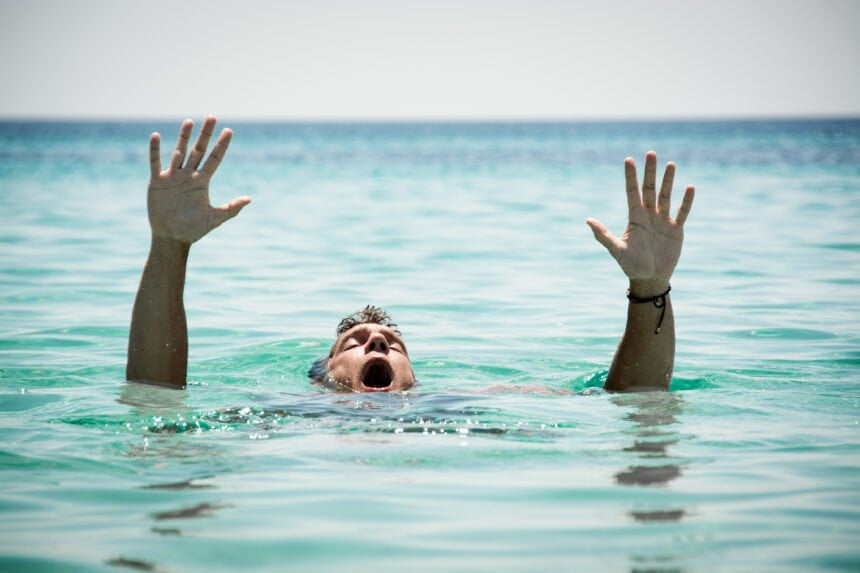
Have you ever wondered how long someone can stay alive in water if they accidentally fall in? That’s what this blog will focus on exploring. Drowning is a serious concern, and knowing how much time a person has to get help can make a big difference in saving lives. We want to explain this topic in the simplest way possible, so everyone can understand it. No complicated words or confusing terms – just clear and helpful information. So, let’s dive right in and learn more about the timeframe of survival in the water!
At the American HealthCare Academy, we are committed to promoting water safety and providing essential online CPR certification courses. Their CPR course is uniquely designed for parents, nannies, and lifeguards who take care of people and children near the pool. Children can be handfuls and drowning incidents can happen despite all safety measures. Drowning incidents can occur unexpectedly. However, knowing how long a person can survive in water is crucial in ensuring timely intervention. Let’s explore this topic further. Let’s understand the factors that impact survival and how we can increase the chances of survival in water emergencies.
How Long Can a Person Survive in Water?
When someone accidentally falls into water, the amount of time they can survive without intervention varies significantly. The time duration is influenced by various factors. For example the individual’s age, physical condition, water temperature, and swimming abilities.
In general, a person can typically hold their breath for about 30 seconds to 2 minutes underwater. After that, they will experience an uncontrollable urge to breathe. They may involuntarily inhale water, leading to drowning. However, this timeframe can be extended with proper training and the right response in water emergencies.
What Impacts the Duration of Submersion?
Several factors come into play when determining how long a person can survive in water. Let’s explore them in detail:
- Age and Health
Younger individuals usually have better survival chances due to their higher lung capacity and overall health. Medical conditions like asthma or heart problems can reduce the ability to hold breath underwater.
- Water Temperature
Cold water can dramatically decrease survival time as it leads to hypothermia, causing muscle stiffness and rapid exhaustion. In colder conditions, survival may be limited to minutes.
- Panic and Stress
The level of panic and stress during submersion affects the ability to think clearly and respond effectively. Panic can lead to faster energy depletion and can be a major obstacle to survival.
- Swimming Skills
Those with swimming skills have a better chance of staying afloat and conserving energy, allowing for a longer duration of survival.
- Rescuers and Timely Intervention
Swift action from rescuers and immediate CPR can significantly increase survival chances.
Steps to Increase Survival Chances in Water Emergencies
Being aware of the factors that impact survival in water emergencies, here are some crucial steps that can enhance the chances of survival:
- Learn CPR Techniques: Obtaining CPR certification through courses like the American HealthCare Academy’s online program equips you with life-saving skills. Performing CPR promptly can keep the blood flowing and buy time until professional help arrives.
- Stay Calm: If you find yourself in a water emergency, try to remain calm and conserve your energy. Avoid panicking, as it can lead to exhaustion and shorten the survival timeframe.
- Float or Tread Water: If possible, assume a floating or treading water position to conserve energy and prolong survival time.
- Signal for Help: If there are people nearby, signal for help by shouting and waving your arms. You can also use any flotation devices available around.
- Protective Gear: Wearing a life jacket or personal flotation device can be helpful. When people are near water, it can greatly enhance their survival chances. This is true, especially in the case of non-swimmers.
- Buddy System: Never swim alone, and always follow the buddy system – especially in shallow waters. You can help each other in case of emergencies.
- Avoid Risky Behaviors: Avoid alcohol and drugs while swimming. It’s a big no! Consuming them can impair judgment and increase the risk of accidents.
Conclusion
Understanding the timeframe of survival in water is vital for preventing drowning incidents and ensuring swift intervention when accidents happen. Factors like age, health, water temperature, and panic play critical roles in determining how long a person can survive in water.
By learning CPR from American HealthCare Academy, you will be ready to face any water-related emergency – whether it’s the swimming pool or the beach. You’ll be able to adhere to safety guidelines. You can contribute to a safer environment around water bodies. You can be prepared to respond effectively in water emergencies. Remember, being informed and trained can save lives. It can prevent tragedies – small or big. Stay safe and always prioritize water safety!