There are a number of concerns facing the UK healthcare system. While a number of these issues stem from budget cuts by former prime minister David Cameron, there are other ongoing issues facing it as well.
Our beloved National Health Service (NHS) has come under increased pressure in recent years, with the COVID-19 pandemic and ongoing pay disputes taking their toll. But improvements have fallen under the radar in the meantime – and in many areas, technology is helping to drive a brighter future.
In fact, the use of technology and data to support health workers is already promoting greater efficiency, patient care and health outcomes. The pandemic in some ways supercharged a digital transformation that may otherwise have dragged along, with several initiatives being created – or brought forward at least – almost overnight.
So how exactly is technology supporting the NHS and its patients in 2023? Uncover five areas of progress and opportunity below.
Electronic health records (EHRs)
Accurate patient records are essential to providing seamless and safe care – but they’re also difficult to manage manually across a vast, ever-changing population. This is where electronic health records have helped modernise the system.
From medical histories to consultation recordings, medications and appointment scheduling, they allow professionals to share patient information securely and seamlessly across the different care settings they may interact with.
Tech-assisted diagnosis, surgery and rehabilitation
Shifting the focus to care delivery, robotic technology is helping provide patients with more accurate, less invasive treatments for better outcomes.
For example, robotic surgery is being used for treatments such as knee and hip replacements. Advanced printed circuit board (PCB) design software for the medical industry is an integral part of the development of more sophisticated surgical equipment which is helping surgeons to place implants with greater accuracy and leading to faster recovery times with reduced pain.
AI and machine learning
AI has brought excitement and fear in equal measure as its progress has accelerated in recent years, but the government is heavily investing in research into its promising medical applications.
AI is already helping health professionals provide patients with quicker, more accurate diagnoses for some conditions, for example, analysing mammograms and brain scans. Crucially, the technology is helping health professionals and patients reach better decisions quicker, rather than making these decisions itself.
Patient management
Securing quick, convenient appointments has become more challenging as our population has grown and medical resources have been stretched. However several digital resources are helping improve access to care.
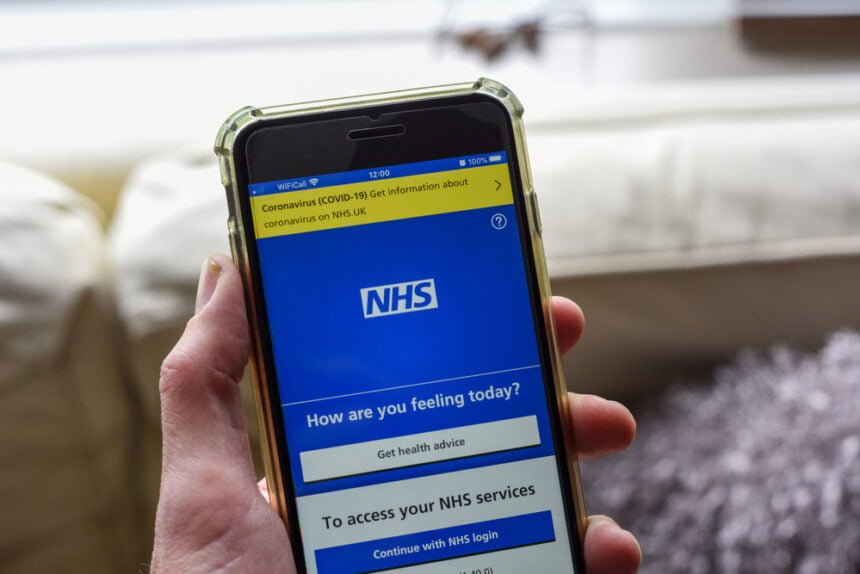
The NHS App offers people a simple, secure way to access NHS services on their smartphones or tablets, for example, and has been supported by widely promoted video campaigns and downloadable guidance.
Supply chain management
AI and analytics software are also helping the NHS manage inventory and orders of healthcare products from thousands of locations and several hundred suppliers.
Key benefits of the officially titled NHS Supply Chain include securing medications and equipment when needed and at the best value while reducing waste. These cost savings are then put back into the NHS’ frontline services where needed most.
As many of these technologies continue to advance at a rapid pace, healthcare professionals and patients have cause for optimism about the future of the NHS.