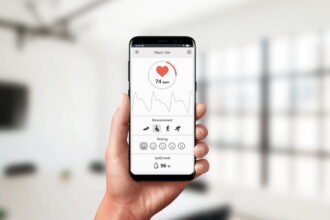
The medical device market is a fast-developing sector in the U.S. healthcare industry, and mobile health solutions have been a subject of serious discussions among technology experts for quite some time. The fact that mobile devices have great potential to improve care quality is now accepted worldwide.
The medical device market is a fast-developing sector in the U.S. healthcare industry, and mobile health solutions have been a subject of serious discussions among technology experts for quite some time. The fact that mobile devices have great potential to improve care quality is now accepted worldwide.
 While several complex mobile apps continue to enter the healthcare market, more and more mobile platforms are developed and used to deliver a wide range of useful health-related apps. According to Ed Lowell, Director of Technology Infrastructure at the Lucile Packard Children’s Hospital at Stanford University, mobility is going to be the key for the future. He holds the view that hospitals will be able to explore new care models clinically and securely under a guaranteed wireless coverage. Experts like Martin Peuker, CIO at Charite Berlin, one of the largest hospitals in Europe think that the future of healthcare IT lies with mobile apps. “With the support of the ‘meaningful use’ incentive program, mobile application market is likely to grow 500 percent by the end of 2014,” says a recent survey report by Black Book Rankings, a Washington, D.C.-based research firm.
Stumbling Blocks
The Black Book Rankings survey, however, finds the marketplace crowded. Hospitals and healthcare systems are facing bed ratio and staffing challenges as the demand for skilled caregivers far exceeds availability, according to the survey. Also skill-level deficiency is another obstacle that prevents caring of populations with chronic diseases. Tele-health practice is prevalent in more than 40 states across the U.S. but not uniformly within a given state, says David Lee Scher, MD, Owner & Director, DLS Healthcare Consulting LLC, in a recent MHIMSS blog. “There are barriers like cross-state professional licensing and reimbursement issues,” he adds.
Future Outlook
The survey by Black Book Rankings finds that eight percent of office-based physicians use a mobile device for practices like electronic prescribing, viewing patient records and ordering tests. Most of them (83%) are also found willing to use mobile EHR functions like checking lab reports, updating patient charts and ordering medications. In a separate Black Book poll of hospital CIOs with network physician practices conducted last month, “mobile applications ranked above cloud computing and clinical analytics as well as business intelligence in upcoming technology urgencies.”
Companies have started setting up projects that allow real-time access to patient information and more meaningful collaboration between clinicians and caregivers. Philips Healthcare has reportedly entered into new remote patient monitoring contracts with several large healthcare providers. These efforts would go a long way for taking better patient assessments and informed care decisions.
Rewards that come with mHealth adoption would be beneficial for healthcare payer and provider organizations as well as for patients in all healthcare settings and the impact can be felt across the healthcare spectrum, opined Reid Oakes and Chequeta Allen of the Global Healthcare IBU at Oracle, in a recent article. There are challenges and these can be met by placing total reliance on mobile health capabilities, they stated.
The coming days will see more and more mobile health applications managing health and healthcare. Notwithstanding statutory regulations and interventions, these are the potential tools of tomorrow that are going to improve the quality of healthcare and lower care costs.
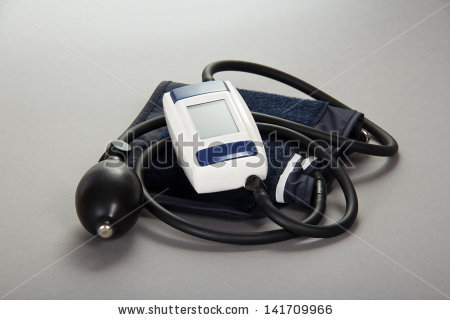
(medical device / shutterstock)