Last night, when I was searching online for an article published in the Journal of American Medical Association (JAMA), a message popped up on my screen, asking if I would like to install an app called “The JAMA Network Reader“ in my Google Chrome browser. Out of curiosity, I downloaded the app and set up an online account.
Last night, when I was searching online for an article published in the Journal of American Medical Association (JAMA), a message popped up on my screen, asking if I would like to install an app called “The JAMA Network Reader“ in my Google Chrome browser. Out of curiosity, I downloaded the app and set up an online account. I was immediately impressed by the app: it has incorporated content from 10 JAMA journals, highlighting “Online First” articles and including links to all articles in current issues. The intuitive web-based digital platform is easy to navigate with a clean and modern design. Other helpful features include “Offline Library” and “Bookmarks.” Like Amazon’s Kindle, the app even allows you to adjust font size instantly. I was surprised the well-designed app was developed by a medical journal publisher.
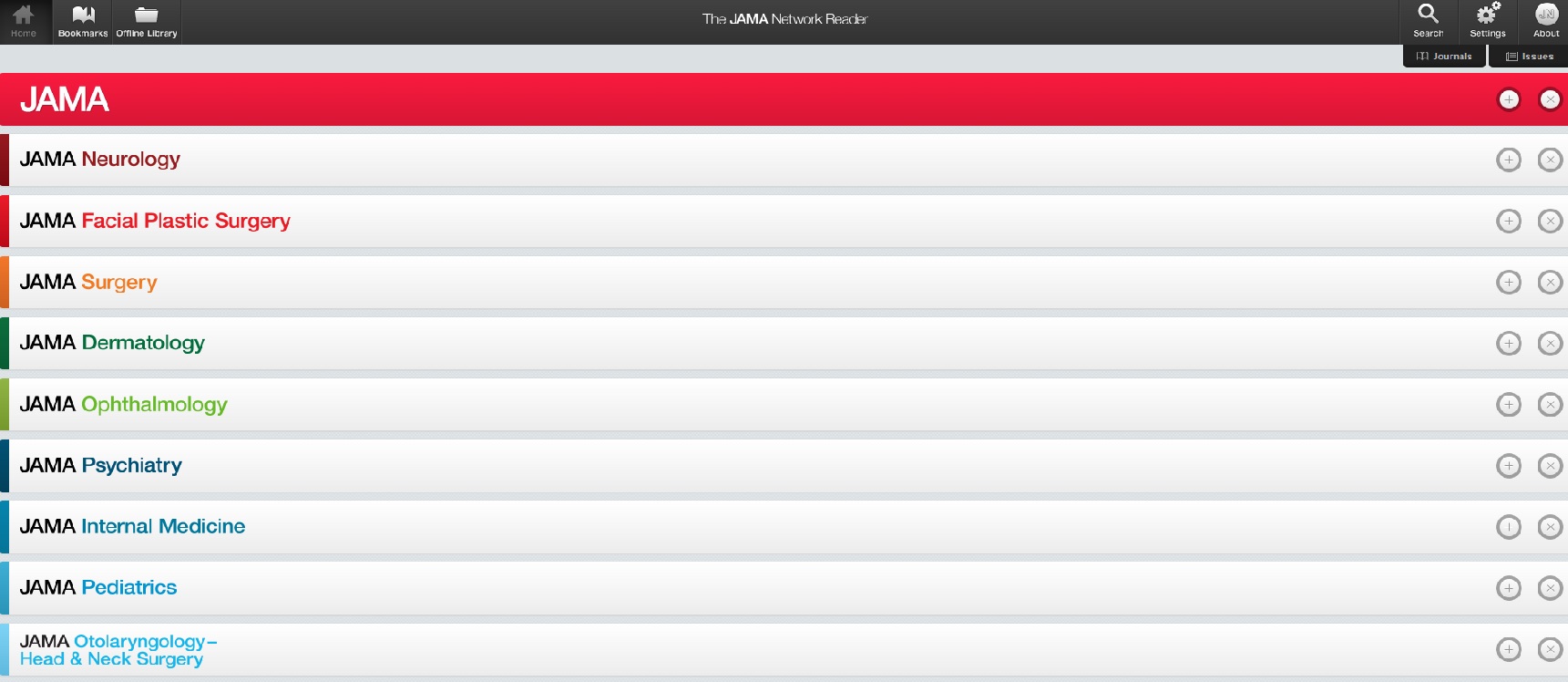
The design of JAMA Reader is sleek and intuitive
The content of medical journals (data and science-heavy) and their primary readers (physicians) did not traditionally fit into the digital media world–we would never expect articles in the New England Journal of Medicine to be written in the same way as Buzzfeed viral stories. However, in the last couple of years, there have been some gradual but major changes driven by digital technologies and social media in the medical journal publishing industry.
Besides JAMA, several other medical journal publishers have taken the advantage of digital technologies and social media to leverage user experience and content sharing. For example, NEJM has established a comprehensive online presence, from Facebook page, Facebook app, Twitter handle, email alerts to mobile apps. And the uptake has been high. The NEJM Photo Challenge Facebook app has more than 8,900 active monthly users. NEJM’s Facebook page has more than 430,000 subscribers and its Twitter handle has more than 129,000 followers.
In addition to efforts in digital and social media, the open access movement has gained momentum in medical journal publishing as well. PLOS, a peer-reviewed, open access medical journal online publishing platform challenges the traditional process of science data publishing, attracting much attention from the research community. Now the non-profit organization has seven journals and five blogs, accumulating more than 53 million page views, 12 million article downloads and 145,000 cross citations. Other organizations have also announced plans to join the movement–the Infectious Diseases Society of America announced this year that it will launch Open Forum Infectious Diseases, another open access online journal in the first quarter of 2014.
Open access movement is changing the landscape of medical journal publishing
As the health care landscape continues to evolve, these changes are inevitable for the medical journal publishing industry.
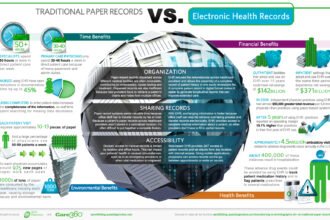
Physicians, the biggest clientele of medical journals are rapidly adopting digital, social media and mobile. According to a Google/Manhattan Research published last year, when making clinical decisions, U.S. physicians spend twice as much time using online resources compared to print. 87 percent surveyed physicians use a smartphone or a tablet in their practice. The increasing demand for digital and mobile-friendly content requires medical journal publishers to build robust online platforms and create more engaging content.
The culture of medical research is also shifting as big data, open access movement and social media lowered the threshold to enter the medical research conversations. Collaboration among different industries and business functions are reshaping medical research and drug development, which forces publishers to adapt to the new reality by embracing emerging communication channels, facilitating a quicker and streamlined publishing process and expanding data/content access to a larger audience.
Together, these efforts are changing how medical research information are being distributed and received: data will be more accessible and sharable; jargon-filled journal articles will be easier to understand and more fun to read; more people from outside of medicine will participate in and contribute to conversations around medical research. The bottom line is that these changes can lead to higher efficiency in knowledge sharing and innovation, something the medical research community has been searching for a long time.