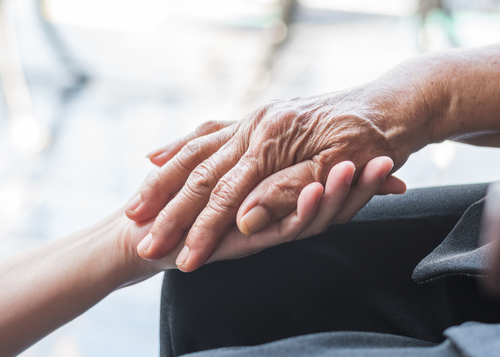
People are living longer today than ever before, with the population of adults aged 65 and older expected to be 83.7 million by 2050. As medical advancements are made and extending the precious gift of life is accomplished in more avenues, the average person is expected to live to 77 years old. This is a blessing in a lot of ways, and although we now worry less about common illnesses, the medical field has not yet figured out how to meet other needs created by healthcare and aging in our current economic climate.
Aging Population Needs
Our bodies start to face a few common issues as we age. Arthritis, macular degeneration, heart disease, memory loss, respiratory diseases, cancer, diabetes and influenza are all common illnesses that can cause serious problems for the older population. Not only are access to treatment for these diseases an obstacle, the repercussions these illnesses have on mental health can add another entire aspect of health to be concerned about.
One possible reason for the development of these health issues as we age is that we don’t take as much care of our bodies as we should. Most people in general do not give their bodies the care (healthy diet, regular exercise, counseling) that they need to be healthy in the first place, and after years of not getting the care we need, our bodies start to malfunction. Poor nutrition amongst seniors is often tied to a lot of health illnesses because the body doesn’t receive the nutrition it needs to function properly and this is common when people grow older and become more limited in energy.

It’s difficult to eat enough well-balanced meals every day when you’re struggling with chronic illness and fatigue, however, if the aging population does not have close friends or family to take care of them, they are often unable to afford the costs of a caretaker. The healthcare system is costly and largely inaccessible to most of the middle and lower class populations, which is the majority of the U.S. population. This makes post-retirement living very difficult for a large portion of seniors who end up struggling more because of their inability to access care.
Healthcare Changes
In order to live a happy and healthy life, the aging population needs access to care. Integrative care is a medical concept that has grown over the last couple decades and suggests that in order for a person to achieve their best health, all aspects of their health must be addressed, and most often, this relates to the connection between physical and mental health. When a person’s mental health goes untreated, their physical health is likely to suffer also due to their inability to care for themselves and because of the effects mental health has on the body.
As the education system builds tomorrow’s workforce in the medical field, they will need to take integrative care into consideration to determine what the best way will be to give the aging population the care that they need. The lack of accessibility to healthcare — both financially and physically — make it easy for people, especially the older population, to ignore their health issues until they become serious problems. This is not only an obstacle for medical professionals, it also decreases their quality of life.
Healthcare is changing and this is a factor that needs to be addressed for the sake of the senior population. While access to healthcare and the medical industry are changing with technological advancements, there is still a long way to go before everyone is able to get the basic care that they need to live happy and healthy lives.