Acute myocardial infarction, popularly known as heart attack, is one of the leading causes of death in the world; taking more lives than cancer and chronic lower respiratory disease combined. In fact, someone in the United Kingdom is admitted to the hospital every three minutes because of a heart attack. And three out of every ten people admitted suffer fatal consequences owing to this attack. The inability to monitor the heart rhythms and cardiac movements of the at-risk patients strongly contributes to the alarming increase in heart attack-induced deaths. The key to control this rise in the number of heart attacks and its consequent mortality rate lies in evaluation and analysis of the large sets of data collected from the patient information across the globe and find preventive measures from the same. These datasets can be used to detect, prevent, manage, and reduce the risk of heart attack and related mortality.
Big data can be successfully used by the healthcare and pharmaceutical industry to develop new data-driven devices for remote monitoring, personalized treatment, data mining and smart nursing of the patient at risk of heart attack. Yes, the voluminous datasets filled with valuable and varied information of patients can be used to cut-down the fatality impact of a heart attack. Here’s how.
Remote Monitoring Of Cardiovascular Activity
Early diagnosis and treatment are the most effective ways to prevent a heart attack. A patient needs to be given acute myocardial infarction treatment within 1 hour of the symptom onset. But due to the remote locations, this treatment is delayed by 2 – 5 hours; thereby, increasing the mortality risk of the attack. However, various smartphones, wearable devices, and other sensor patches can now monitor the cardiac wave activity of the patient in real time. These waves are converted to digital signals which are then transferred to diagnostic and treatment facilities.
Doctors can keep a tab on this data analytics and send alerts whenever they feel that the patient needs immediate medical attention. Telecardiology using wireless telecommunication technology has also improved the range of data that doctors can access to send alert for immediate treatment.
Personalized Heart Attack Treatment
Every person is different and so are their cardiovascular problems. Any cardiovascular patient with myocardial infarction needs a personalized treatment. The data stored from the monitoring of their cardiac activity can be studied by the cardiologists to offer personalized heart attack treatment. The data allows them to collaborate with the at-risk patient’s caretaker or nurse to ultimately empower and improve the overall health of the patient. They can provide information about the lifestyle changes, medication and special care that any individual patient needs.
In this data-driven society, data can be processed from patient sensors and telecardiology from which valuable information can be mined. This information would help the doctors to tailor the medical treatments as per the risk level of the patient. Moreover, the Hadoop’s new Text Mining method would allow the doctors to monitor and analyze any patient’s data and provide a risk index along with a personalized treatment for curing heart attacks.
Data Mining for Evidence-Based Research
Owing to electronically generated medical records of the myocardial infarction patients, there are huge datasets comprising of valuable information about the same. This abundance of big data with a broad patient population allows the healthcare organizations to understand and analyze different patient behaviors easily. Big data allows mining of the potentially valuable data in real time to perform evidence-based research for all types to cases.
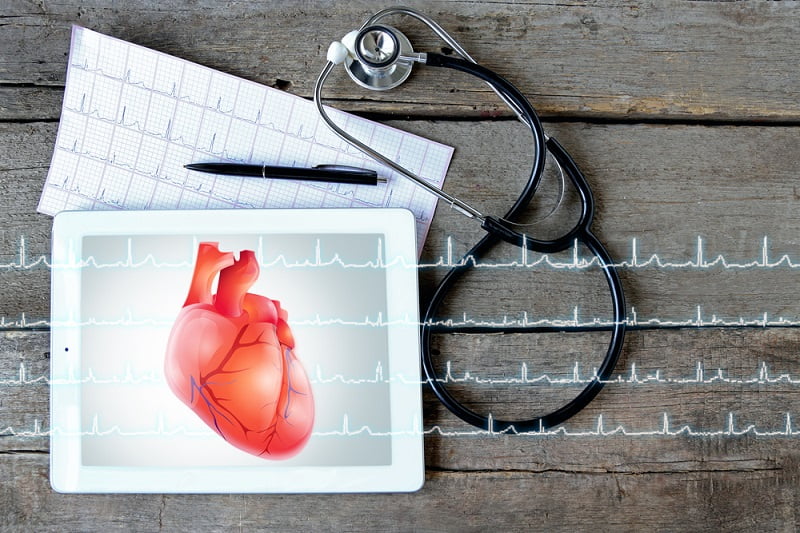
There is enormous data of heart patients like phenotype data, omics data, social media, the electronic medical record (EMR), insurance claims information etc., which can be mined to find out a probable solution to even the rarest of heart attack condition. The treatment and its outcomes can be improved with evidence-based mining, thus reducing the morbidity or mortality by a heart attack.
IoT-Based Nursing Care
IoT or internet of things is a data-backed technology that is connecting things together for faster and efficient services. This latest technology is being used in the healthcare industry to deliver IoT-based medical care and attention to the patients. There are various IoT devices like the Strokefinder, which are fitted with sensors and can be used to notify the nurses about any change in the vital functions of the patient.
Various complex algorithms go behind this IoT-based nursing care for acute myocardial infarction patients. The information from this device would be collected and stored in the cloud to serve as evidence for other researchers.
Big data is the most likely method to prevent the fatal heart attack by monitoring, analyzing, and evaluating the datasets generated by patients across the globe. In today’s data-driven system, it has become inevitable to use the patient-generated datasets to provide best-in-class treatment to improve their health status and prevent the risk of heart attacks.