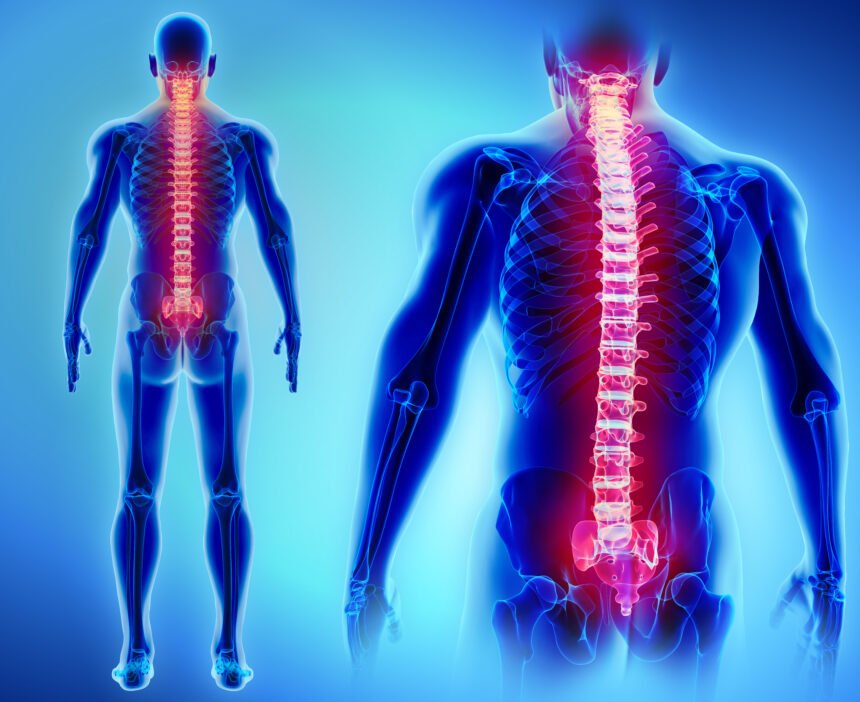
The spine is one of the most important parts of your body. Without it, none of your organs would function and you wouldn?t be able to stand, walk or even sit up. Therefore, keeping your spine healthy is crucial to living a long and happy life.
Here are a couple of ways to improve spinal health and a few reasons why your back might need a little extra TLC.
What Causes Neck and Back Pain?
Neck and back problems are incredibly common and tend to affect many people as they grow older. However, some might start experiencing the effects of an aging spine as young as 30. Upwards of 85% of people will experience some sort of back or neck pain at one point or another, so it?s perfectly normal if your neck and back are a bit sore at times.
In many cases, you can blame your pain on muscle strains and other injuries that will heal on their own. However, there are a few other common causes of spinal pain that you should be aware of.

Herniated Discs
Many times, back and neck pain comes down to the discs between your spinal vertebrae. These gel-like cushions help maintain the natural curvature of your spine and absorb shock as you walk, jump and run. As you get older, the discs dry out and become less spongy, which can cause them to herniate or bulge out into the spinal column. The disc presses on nerves and send sharp, stabbing pain down the backs of the legs.
Osteoarthritis
Spinal arthritis, or osteoarthritis, is another common cause of neck and back pain. This progressive joint disease occurs when the articular cartilage that covers the ends of your bones slowly wears away. Eventually, the bones will grind against each other and cause pain. Typically, middle-age and older people suffer the most. However, obesity, injury and a family history of arthritis can cause early onset osteoarthritis.
Improper Posture
Lifting heavy objects, sleeping in awkward positions and standing and sitting with poor posture can sprain or strain the tendons in your back. Sometimes, this pain can cause tightness and spasms. However, it can also push the network of muscles, discs and joints in your back to their limit and alter the dynamics of your lower spinal curve or cause lumbar herniation. Of course, these conditions can be incredibly painful, but will likely heal on their own.
How to Improve Spine Health
Luckily, improving your spine health is relatively easy and can even enhance your overall wellbeing. While you may not be able to entirely prevent degeneration, you can postpone it and enjoy a flexible, healthy spine for many years to come. All you have to do is incorporate the following habits into your daily routine.
Practice Good Form
Your spine can only move in six different directions, so it?s relatively easy to twist the wrong way and damage your spine. Therefore, you must practice proper alignment techniques when lifting heavy objects. Plan ahead and remember to lift close to your body to avoid making awkward movements. Keep your feet shoulder-width apart, bend your knees and keep your back straight as you tighten your abdominals and lift with your legs. Doing so will prevent you from putting unnecessary strain on your spine.
Stretch Out
Improving your range of motion is another excellent way to keep your spine young and healthy. Maintain normal joint function and increase your flexibility by stretching every day. Wake up with some gentle stretches or try yoga to get your blood pumping and alleviate back pain throughout the day. Stretches can also help you maintain proper alignment and ensure your back muscles are loose before physical activity.
Stay Active
Along the same vein, it?s important to stay active and move your body daily. While any type of sport or exercise can improve spine health, movements that engage your core will benefit your back the most. Focus on exercises that target your back, sides, pelvis, abdominals and buttocks to improve stability and reduce strain on your back. Strengthening all of these muscles can also keep your bones in proper alignments to relieve and prevent back and neck pain.
Hydrate
While your spinal discs naturally lose water as you age, dehydration can accelerate this process and cause premature degeneration. Therefore, you must drink enough water if you want a healthy spine. Promote proper nutrient flow to your spinal discs by eating foods with a high water content and carrying a water bottle with you throughout the day.
Listen to Your Body
As you work to improve your spine health and avoid neck and back pain, it?s crucial that you listen to your body. If certain exercises or postures feel uncomfortable or cause pain, ease off. Modify for your personal needs and work up to a full range of motion by slowly increasing physical activity. Most importantly, remember that your spine is literally the backbone of your entire body. As long as you take care of it, your body should have very few complaints.