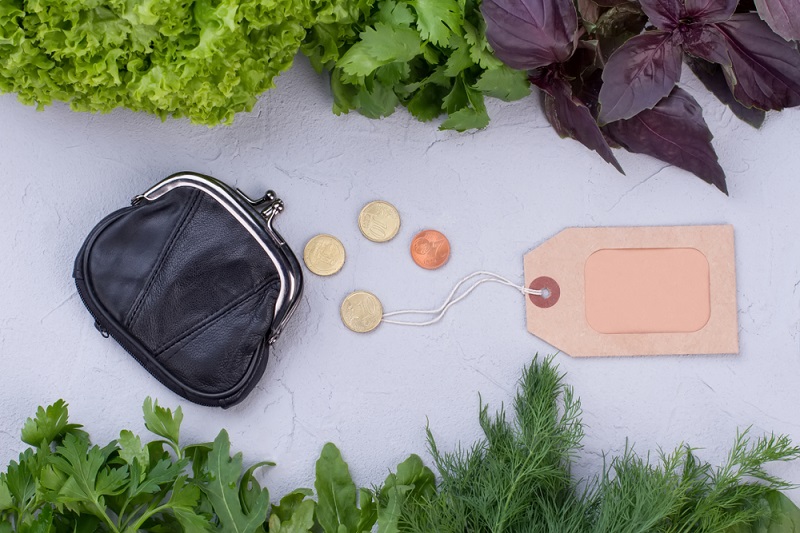
Did you know that the average couple will spend almost $8,000 a year on groceries? That’s about 13% of the median income in the United States.
And making healthy food choices is getting more and more expensive every year.
If you’re trying to eat healthy without spending a fortune, then read on for our 8 perfect tips on how to eat healthy meals on a budget.

1. Stop Eating Out
It might seem like an obvious tip, but it’s one of the hardest for people to live by!
An organic turkey burger, low carb bun, veggies, and sweet potato fries at a restaurant will cost five times the amount of the same healthy, balanced meal that’s cooked at home.
Not only is this a huge money saver, but you can also have more control over the kinds of ingredients are used in your meals.
For a fraction of the cost, you can make substitutions to accommodate allergies, diets, organics, etc.
2. Use a Calendar for Healthy Meals on a Budget
Meal calendars are a huge lifesaver for people whose vice is eating out.
On Saturday morning map out the breakfasts, lunches, and dinners you’ll have for the following week. Make a grocery list of the things you’ll need and shop over the weekend.
Pro Tip: Plan your meals with similar ingredients for the week so you don’t end up wasting anything. In addition to planning out and writing your meals, many people have found great success when starting food and diet blogs to document their own journey and food plans.
For example, ground beef, bacon, lettuce, onion, and tomatoes are all ingredients that could be used to make taco salads, burgers, BLTs, lettuce wraps, and meatballs.
That’s five meals! Since you can’t buy half a tomato, that ensures that you use the entire product and nothing goes to waste!
3. Shop Fresh Produce
While pre-cut, bagged, canned, and frozen fruits and veggies are more convenient, fresh produce is less expensive. Plus none of the nutrients have been compromised by preservation processes.
You’ll need to do some of the cutting and prep work yourself, but in the end, it’s a healthier and more cost-effective way to incorporate fruits and veggies into your diet.
Fruit contains natural sugars which burn longer than the processed sugar found in most snacks. Plus fruits and veggies are a high fiber snack alternative that won’t pack on the pounds.
4. Protein on a Budget
While tri-tip steak is a delicious source of protein, it’s costly, and loaded with extra fat and seasonings.
Consider these cost-effective sources of protein and how you could incorporate them into your meals.
- Dairy: milk, cottage cheese, greek yoghurt
- Meat: eggs, chicken, turkey, fish
- Beans and Nuts: lentils, black beans, walnuts, almonds, peanut butter
- Other: Whole grain bread, tofu
Using these alternatives to red meats is healthier and much less expensive way to get all the protein you need!
5. Substitute In Whole Grains
Whole grains refers to grains that haven’t had portions of the grain removed or refined out. And eating whole grains lowers your risk for heart disease.
Because whole grains include all the parts of the grain, they are shown to be a better source of fiber, potassium, vitamin B, folate, magnesium, selenium, and iron.
It won’t cost any extra to substitute white bread for whole grain. Replace white rice for brown, white flour for whole grain flour, and more.
For an even less expensive way to buy whole grains, shop in bulk at stores like WinCo or Whole Foods.
6. Drink More Water
And we’re not talking bottled water! If you don’t have a fridge that dispenses cold purified water, then invest in a water filter pitcher that you can fill from the tap and store in the fridge.
When you substitute water for soda you’ll not only save big, but you’ll also skip out on the high sugar content.
7. Use Grocery Pickup
If your local grocery store offers a “shop online and pick it up later” option, use it!
You can take your meal calendar for the week and plan out the groceries you’ll need to eat healthily. Once you’ve shopped online, you can select a time for pickup.
Once you arrive for pickup, an associate will bring your groceries to your car and load them for you. You don’t even have to get out!
Besides the obvious convenience of this type of grocery shopping, when you use grocery pickup, you won’t buy things you don’t need.
Those fancy, seasonal cookies that you definitely don’t need, won’t be on display right in front of your face! You completely eliminate the impulse shopping that happens in the grocery store.
8. Order in Bulk
Ordering in bulk will not only save you cash, but it encourages more homemade meals which are significantly healthier than pre-made or fast food options.
Some of the things you should consider buying in bulk are:
- canned fruits, vegetables, and beans
- brown rice
- whole grain flour
- dry beans
- salt and sugar
- dried spices
Buying in bulk will cost you more initially, but save you in the long run.
If you need a little extra cash to help you when money is tight, consider using a bad credit score loan. When you use bad credit loans monthly payments don’t have to be sky high.
Now Get Going!
You don’t have to break the bank in order to eat healthily. It might seem daunting to implement all these tips immediately, so if you need to, start with just a few.
Begin utilizing these tips today so you can enjoy healthy meals on a budget!