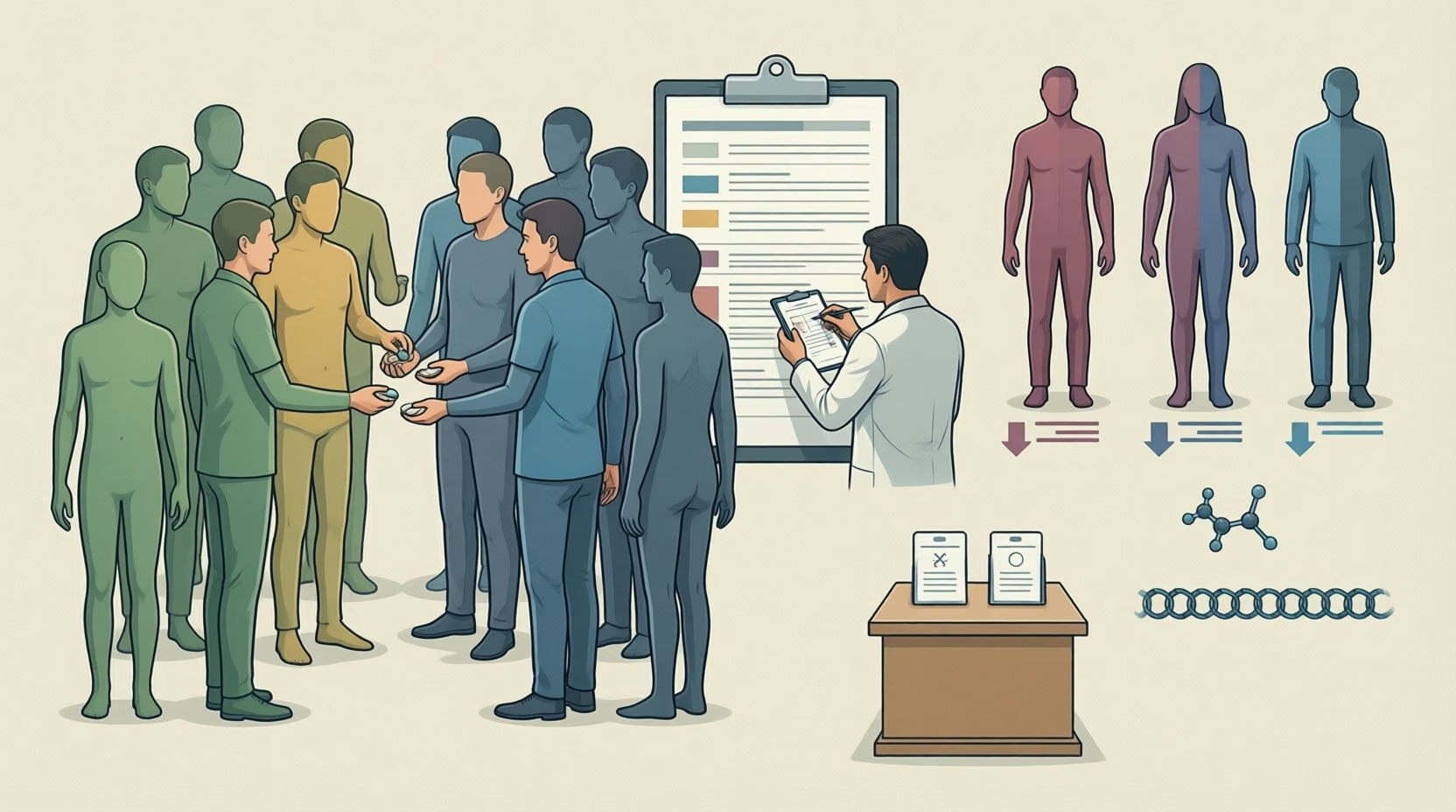
Hormones are defined as non-nutrient chemicals which are acting as intercellular messengers and are provided in traces. In simpler terms, hormones are chemical messengers that control and coordinate the physiochemical activities in the body. Hormonal imbalances are marked by more or too less of hormone levels in our bloodstream. Even the smallest of the hormonal imbalances can have detrimental effects on the proper functioning of the body.
Causes of Hormonal Imbalances
Hormonal balances are common in many individuals. Each one of us has suffered through minute fluctuations in the hormonal levels in the body. According to doctors that specialize in hormone therapy in Scottsdale, hormonal balances occur when there are problems in the proper functioning of the endocrine glands. The endocrine glands are a ductless gland, and their most prominent function is the secretion and regulation of hormones in our bloodstream. Following are the endocrine gland of the human body:
- Hypothalamus
- Pituitary Gland
- Pineal Gland
- Thyroid Gland
- Parathyroid Gland
- Thymus
- Adrenal Gland
- Pancreas
- Testis
- Ovary
The most common hormonal imbalances in human occur due to the improper functioning of the pancreas, adrenal glands, and the sex organs.Some medical conditions can also cause hormonal imbalances.
- Cancer
- Polycystic Ovary Syndrome (PCOS)
- Hypo or hypergonadism
- Turner Syndrome
- Klinefelter’s Syndrome
- Injury of Endocrine glands, etc.
The most common symptoms of hormonal imbalances in both males and females are:
- Weight Gain
- Constipation
- Paleness of skin
- Increased appetite
- Decreased libido
- Impotence
- Frequent muscle aches
- Sudden weight loss
- Nausea and fatigue, etc.
Diseases caused due to hormonal imbalances
There are many diseases that can be caused due to hormonal imbalances. They include:
- Diabetes – caused due to improper secretion of insulin
- Obesity – it can occur due to the improper functioning of the digestive hormones.
- Osteoporosis – can occur due to the improper secretion of calcitonin and PTH.
- Goiter – can occur due to deficiency of iodine and under-secretion of thyroid hormones.
- Ovarian cancer – improper levels of estrogens and progesterone.
- Breast Cancer – improper functioning of estrogens and progesterone
- Eating disorders – anorexia, bulimia, etc. can also be caused due to hormonal imbalances.
Planning a perfect diet
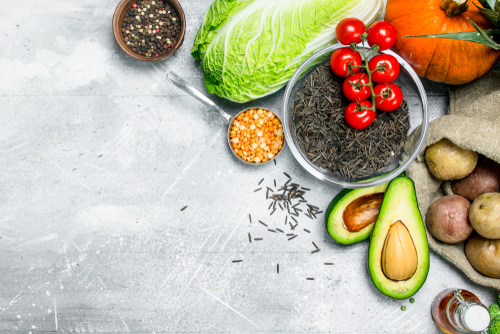
Before preparing a diet plan, you must know which hormones in your body are more and which ones are low. For this purpose, you must consult a health practitioner. Here’s a list of food items that can help in maintaining the hormonal balance in your body:
For Sex Hormones (Testosterones, Estrogens, and Progesterone)
- Broccoli – a rich source of fiber that helps in eliminating estrogens from our bowels. It’s also rich in glucosinolates, which eliminate carcinogens and prevent estrogen-related cancers.
- Flax Seed – these contain phytoestrogens that bind to our estrogen receptors and help in excretion of excess estrogen from the body.
- Wild Salmon – it’s an excellent source of Vitamin D that helps information of sex hormones and also boosts testosterone levels.
- Lentils – a great source of protein and fiber that reduce estrogen levels and raises testosterone concentration in the body.
- Sunflower Seeds – rich in Vitamin E; boost progesterone levels.
For Thyroid Hormones (T3, T4, and Calcitonin)
- Seaweed – an excellent source of iodine that helps in the formation of the thyroid hormones.
- Spinach – rich in iron, help in enhancing thyroid function.
- Quinoa – it contains many minerals, proteins, and fibers. It’s a good source of zinc that assists in thyroid hormone production.
For Adrenal Hormones (Adrenaline, Aldosterone, and Cortisol)
- Bell Peppers – rich in Vitamin C that is essential for the functioning of the adrenal glands.
- Avocado – an excellent source of healthy fats that keep the blood sugar levels in check (Blood sugar imbalances adrenal hormones). They also contain Vitamin B5.
- Pumpkin Seeds -rich in magnesium, which works alongside Vitamin C and Vitamin B5 to support the adrenal glands.
For Pancreatic Hormones (Insulin and Glucagon)
- Meat – protein-rich foods increase the insulin levels in our blood.
- Whole Grains – aid in the proper functioning of the pancreas.
- Legumes – legumes like beans can reduce excessive levels of insulin and increase the concentration of glucagon.
For Digestive Hormones (Gastrin, CCK, Motilin)
- Lemon – excellent source of citric acid that enables the proper functioning of the gut.
- Yogurt – probiotic food that maintains the number of “good” bacteria in our colon.
- Parsley – helps in detoxification of the liver which aids in proper digestion.
Remember:
Never start diet plans without consulting a doctor and nutritionist. We don’t know what is happening inside our body. Thus, it’s not healthy to start a diet plan without knowing about the problem, first. Our own diagnosis may be wrong, and we may cause side effects in the body instead of getting cured by following a diet plan on our own.
How to know if you have a hormonal imbalance? If you notice that you don’t feel “normal” or if you’re having any of the symptoms of hormonal imbalance, visit a doctor immediately! The following tests can be done on you:
- Blood Test- to check thyroid, estrogen, testosterone, and cortisol levels.
- Pelvic Exam – to check abnormalities in your pelvic region.
- Ultrasound – to get images of the ovaries, testes, uterus, thyroid gland, etc.
- Thyroid Scan – to scan the thyroid gland.
- Sperm Count – low testosterone levels may decrease sperm count.
Hormonal imbalances are not uncommon. They are most prevalent during puberty, menstruation, and pregnancy. But, some people can experience prolonged hormonal imbalances. Most of the hormonal imbalances are caused by external factors that affect the endocrine glands. Thus, we should refrain from consuming stuff that can have serious repercussions on the proper functioning of the body. Here are a few tips.
- Avoid smoking.
- Avoid alcohol.
- Exercise regularly.
- Practice yoga or meditation.
- Maintain personal hygiene.
- Always eat a balanced diet with adequate proportions of carbohydrates, proteins, fats, minerals, vitamins, etc.
Conclusion
Small changes can make a big difference, especially when it comes to managing a hormonal imbalance.