Over the past few years, there has been a definite rise in the number of colon cancer cases in the United States. While these cases are rising, so are the treatment options available to colon cancer sufferers. The key to mitigating the risks caused by this horrible disease is catching it early.
There are also a number of factors that contribute to an increased risk of colon cancer. Are you trying to lower your risk of getting colon cancer? If so, check out the great tips in this article.
Routine Screenings Are Important
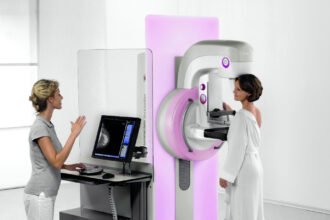
As previously mentioned, early detection is crucial when trying to treat and cure colon cancer. In the past, health professionals recommended colon cancer screenings for people over 50 years of age. The current recommendations for this screening are 45 years old if there is a history of colon cancer in your family. There are many testing and screening options available for people attempting to detect colon cancer early on.
The team at Easy Test Hub offers some of the best at-home colon cancer test kits on the market. Over the past few years, a variety of pharmaceutical companies have developed colon cancer test kits that are affordable and easy to use. With the purchase of one of these kits, you can see how well your colon is holding up.

Optimize Your Diet
There are over 1.1 million new colon cancer cases in the United States every year. If you are trying to lower your risk of contracting this horrible disease, then you need to take a look at your current diet. Many people fail to realize that consuming processed and sugar-packed foods/drinks can wreak havoc on their gut health. Many studies have linked the consumption of large quantities of processed and red meats with an increased risk of colon cancer.
Ideally, you want to limit your intake of these meats and incorporate more fruits, whole grains and vegetables into your diet. Not only will consuming these healthier food options help you lower your risk of colon cancer, but it can also help you reach your goal weight. Consulting with a knowledgeable nutritionist is a great way to figure out how to adequately optimize your daily diet.
Start Exercising More
People who lead a very sedentary life are usually at higher risk of developing issues involving their heart, blood sugar and blood pressure. Not only does a lack of physical activity weaken your heart and increase your body weight, but it can also put you at risk of contracting colon cancer.
If you want to take control of your health, then the first thing you need to do is get up and get moving. Once you start to exercise on a daily basis, you will be surprised at how great you feel. Starting with a daily walk, and ramping up your activity as time goes by, is the best way to avoid overwhelming your body.
Avoid Consuming Too Much Alcohol
Unwinding after a long day at work is much easier with a glass of wine or a beer. However, you need to control the amount of alcohol you consume if you want to lower your risk of colon cancer. Studies show that men that consume more than two alcoholic drinks a day and women who consume more than one alcoholic drink a day are at a higher risk of contracting colon cancer.
If you are currently making some of the health mistakes mentioned above, it is time to make a few changes. By making these changes, you can get healthy and lower your risk of colon cancer.