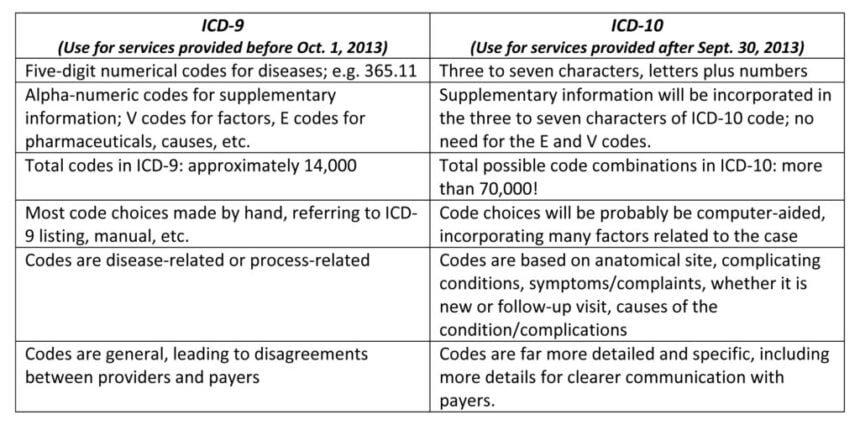
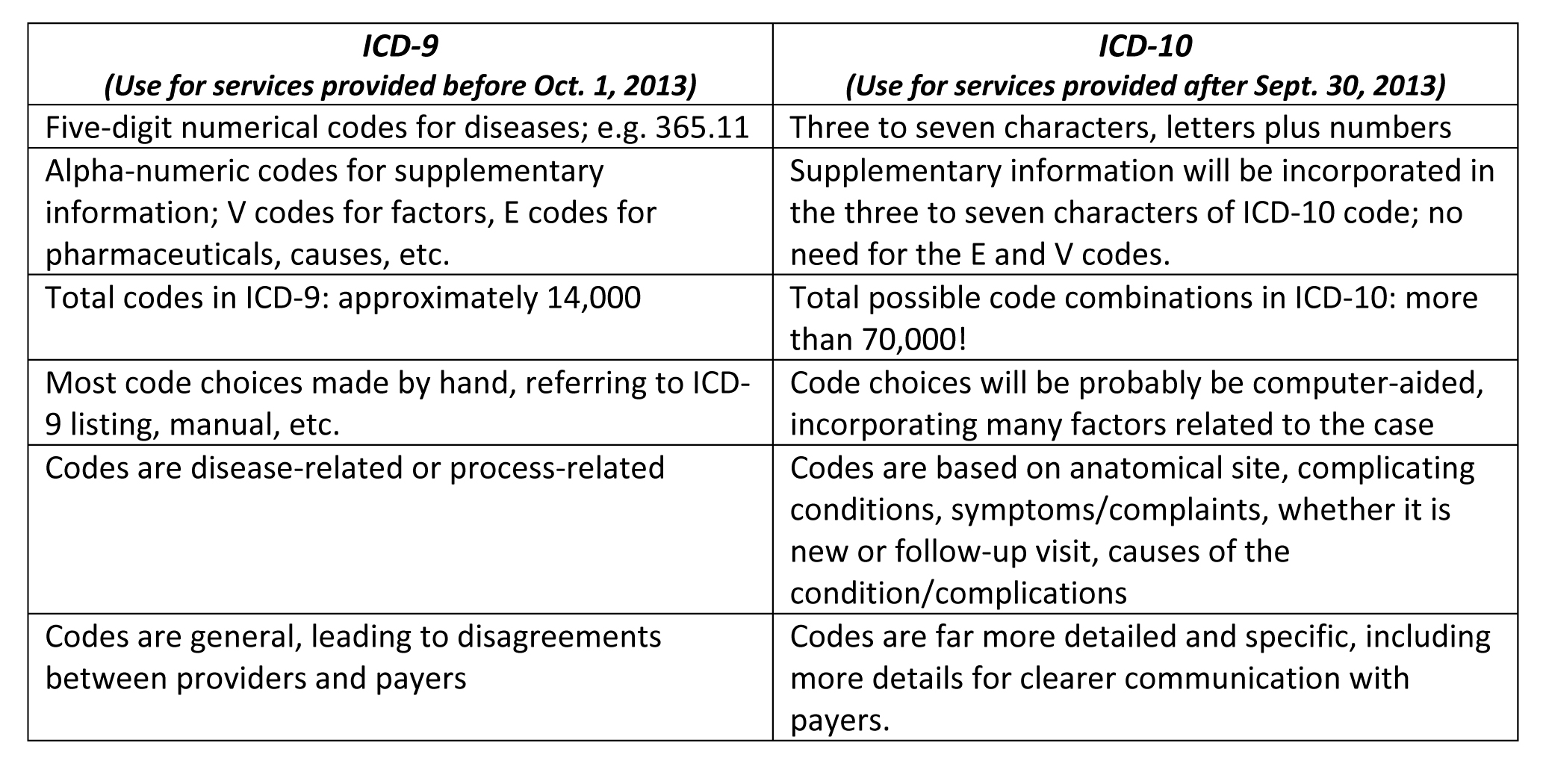
Hospitals and providers across the country are gearing up for implementation of the tenth revision of the International Classification of Diseases, or ICD-10 codes. ICD-10 implementation, despite several false starts, has an established compliance date for Oct.
Hospitals and providers across the country are gearing up for implementation of the tenth revision of the International Classification of Diseases, or ICD-10 codes. ICD-10 implementation, despite several false starts, has an established compliance date for Oct. 1, 2014. With a tight time frame, and staggering start up costs, the initiative can be a challenge that is both critical and expensive for healthcare delivery systems. From a budgetary perspective organizations will need to understand the costs that will be incurred during ICD-10 implementation, how to most successfully budget for these expenses, and how to decrease inefficiency through sound implementation planning.
Understanding the Costs:
Several studies have been conducted to provide estimations of the cost of ICD-10 implementation. According to the most recent study conducted by Nachimson Advisors, LLC, a health IT consulting firm, these figures can range from $83,000 for a

small practice to $2.7 million dollars for large healthcare delivery systems. Others have predicted that these costs will be much higher, with larger health systems spending between $40 million and $100 million by the time implementation is complete. The U.S. Department of Health and Human Services (HHS) has estimated the total conversion to cost $1.64 billion dollars. This cost includes $357 million for training, $572 million in lost productivity, and $713 million for system changes. Costs included in ICD-10 implementation include: staff training and education, internal analysis of contracting and documentation, changes in the claims process, IT system upgrades, increased documentation costs, and loss of staff productivity due to implementation.
While software upgrades and training related to implementation represent a significant amount of anticipated expenses, some figures have estimated that lost staff productivity during the transition to be a leading cost factor. The Nachimson reports indicate that these costs may account for up to 76% of anticipated expenditures for smaller practices.
Evaluating Expenses for Your Organization
With so many variables it is crucial that organizational CFOs immediately begin to examine associated costs for their organizations and understand the most effective way to budget for these expenses. These costs should begin with IT associated costs including the modification and implementation of new systems. Care should be taken to meet with IT representatives to identify the exact nature of incurred costs and prospective timelines. However, don’t stop at the IT Department. The number one mistake that financial executive make is only accounting for costs within their IT departments. The key to success is having a global understanding of how ICD-10 will impact all areas of the organization. Have discussions with appropriate representatives to gauge the increased internal administrative time that will be required for coding, outline training initiatives that will be rolled out for both coders and clinicians, and set a base rate of expected loss of profitability based on historic examples.
Effective Budgeting for ICD-10 Implementation Expenses
Once you have effectively determined estimated costs, knowing how to budget and account for these to avoid fiscal surprises is crucial. Common advice dictates that effective budgeting for ICD-10 Implementation allocates costs into three categories; support activities, software modification and development, and asset acquisition. Support activities include training, process redesign within the delivery system, analysis, and workflow modifications. These expenses should typically be expensed. Activities related to software modification and development will most commonly be capitalized as it constitutes a long lived asset for the organization. Similarly associated asset acquisition, such as new computers, work stations, and equipment required for implementation will also be capitalized. Ensure that you put into consideration other common factors that will need to be budgeted for. For instance, early indications point that increased documentation time will rise by roughly 4%, which will increase internal administrative costs. Similarly, you should expect to budget in additional internal expenses for other departments involved in billing, coding and claims.
Increasing Efficiency through Sound Implementation Planning
Because the changes necessary for ICD-10 implementation are complex, often coming with their own unique deadlines and obstacles, the best advice is putting in place a comprehensive implementation plan. Be prepared to dedicate a project manager with the singular focus of implementation, and do not append this role to any others. Ensure communication about the changes throughout the organization by hosting frequent meetings and involve all members of the leadership team. Have work flow meetings and select an unbiased facilitator, and dive down to the ground level to identify where departmental overlap occurs. Finally, establish your budgets early and analyze expenses often to avoid fiscal surprises. While ICD-10 implementation costs are unavoidable, careful planning and budgeting, combined with effective implementation, can assist organizations in managing costs effectively.