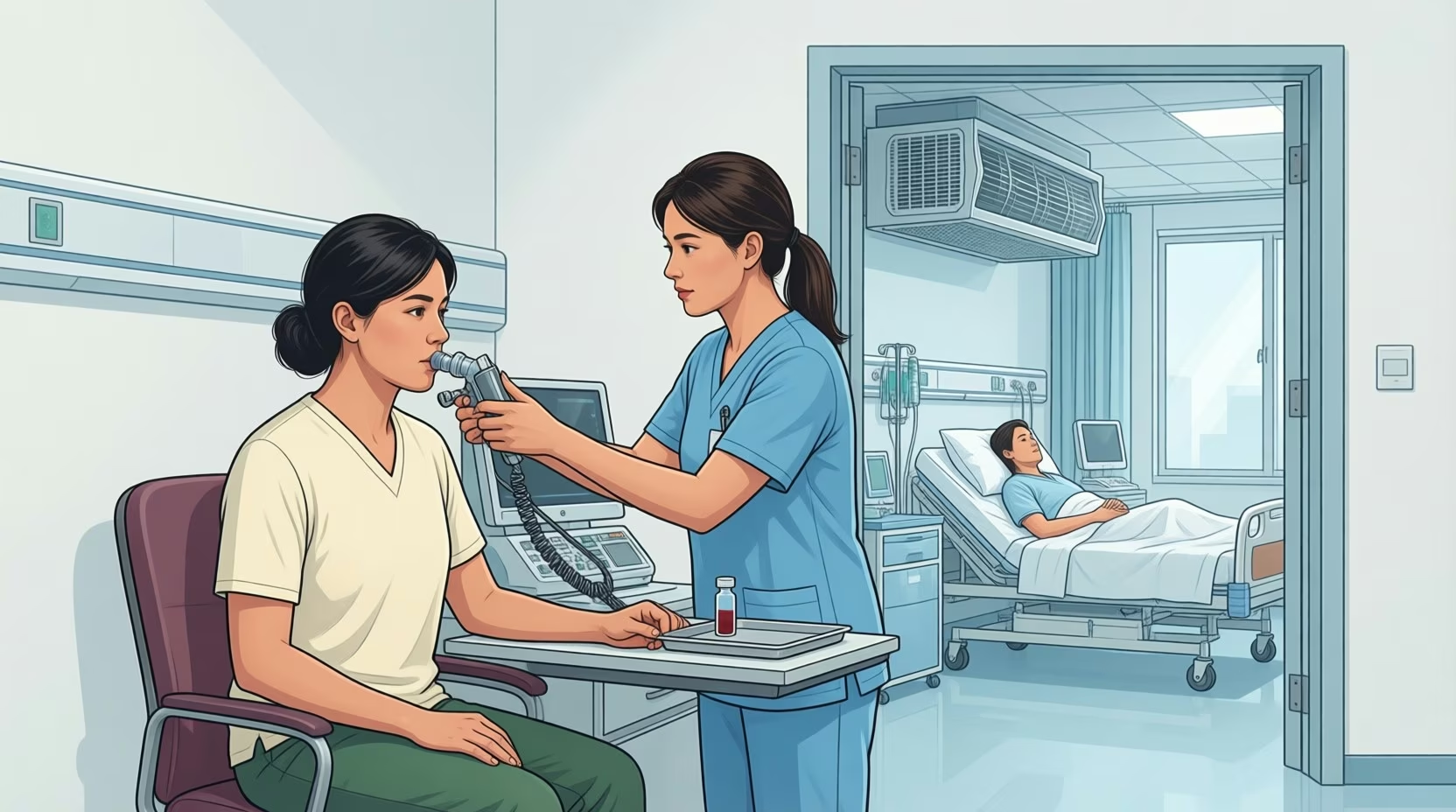
Technology is, for better or for worse, becoming a dominant force in healthcare. Everything from once contentious but now widely accepted electronic health records to wearables to patient portals have changed the way providers look after their patients and the way patients manage their own care in partnership with their doctors. The digitization of healthcare is a reality and one that is arguably streamlining things like patient intake, record sharing, patient tracking and treatment.
Technology is, for better or for worse, becoming a dominant force in healthcare. Everything from once contentious but now widely accepted electronic health records to wearables to patient portals have changed the way providers look after their patients and the way patients manage their own care in partnership with their doctors. The digitization of healthcare is a reality and one that is arguably streamlining things like patient intake, record sharing, patient tracking and treatment.
 Technology’s reach in practices and hospitals touches everything from patient intake to record keeping to testing and treatment. It’s undeniable that there have been huge transformations and advancements in healthcare thanks to technology, and these are being readily embraced by doctors, hospitals, specialists and other providers. And the National Coordinator for Health Information Technology has reported that patients themselves prefer providers who utilize technology. But while innovations like EHRs have been shown to deliver better healthcare outcomes by reducing errors and telehealth is cutting costs on both sides of the examination table (while improving outcomes), the potential for mishaps is still there.
Here are five ways practices and hospitals can make sure providers and patients are benefitting from new technologies without being put at risk.
1. Stay on top of what’s out there. Telehealth, wearables for home monitoring and gamification of self care are just three of the tech solutions making a big splash in the medical sphere right now, but in a week or even a day that will change because innovation is near continuous in the technology space. Always be on the lookout for new approaches to technology integration that can benefit patients or the practice.
2. Share and share alike. One of the big advantages of EHRs is sharability – practices and specialists who regularly work together can benefit from interconnected data access. When appropriate, patient data can be automatically transferred to partner providers without the necessity of phone calls, faxing or dealing with patient requests.
3. Make sure patients are connected. Now that carriers like T-Mobile are including free 4G LTE for tablet users, it makes more sense than ever to set up and make use of a patient portal. These DIY communication hubs let anyone with an iPad, smartphone or computer access their own medical records, make appointments and even ask providers questions. According to Medical Economics, this online option for communication has been shown to both improve quality of care and increase patient satisfaction.
4. Make sure all patient information and office records are protected. With so many data breaches making news it’s important that any adoption of new technology comes with secure data practices. That includes simple solutions like requiring frequent password changes for employees and high-tech safeguards like encrypting all protected health information.
5. Encourage patient participation in technological initiatives. The easier it is for patients to sign up for a patient portal, the more likely they are to do it. If telehealth meetings or examinations are available, let patients know. And if home monitoring is an appropriate solution, do what it takes to be sure that patients understand how to set up and use the equipment so accurate clinical data is being collected.
Every day, technology is becoming a more fundamental and from a patient point of view, expected element of healthcare. And every year, patient care, self care and practice management becomes simpler while simultaneously growing in complexity when viewed from the inside. But that’s no reason to avoid technological solutions. Manage technology properly and not only can it lead to better quality of care, but better outcomes, too.