Sunburns are a common yet painful skin disease occurring due to excessive exposure to UV rays. In fact, research shows that 50 to 75% of individuals below 18 have sunburns annually.
However, this red, painful, and damaged skin can cause itchiness and soreness for up to a week! The good news is that you can decrease the risk of sunburn by learning its causes and following the steps to protect your skin.
This article will delve into what sunburns are, their symptoms, and their primary causes. Further in the article, we’ll discuss the best ways to treat and manage sunburns.
What Are Sunburns?
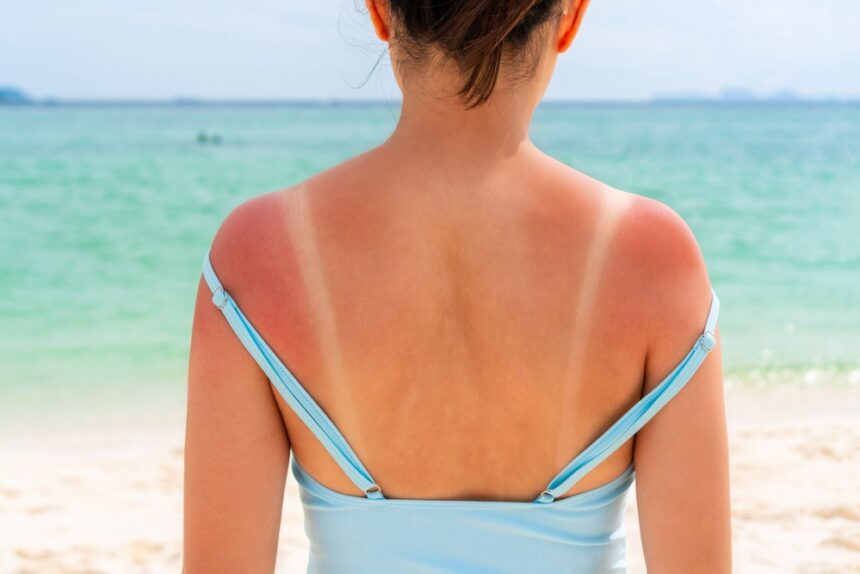
Sunburn refers to skin damage that occurs from exposure to the sun’s UV rays. When you get sunburnt, the radiation from the sun causes your skin to become red, sore, tender, and itchy.
More Read

Typically, you’ll notice the symptoms of sunburn within 11 minutes, leading to reddening and soreness for two to three days. The skin will soon start to flake and peel before healing within seven days.
While mild and short-lived, sunburns can increase the risk of premature skin aging and cancer. Thus, it’s essential to pay attention to your sun exposure and skin when you spend time outdoors.
Signs and Symptoms of a Sunburn
When you get a sunburn, you’ll experience soreness and redness on your skin, making you feel like it’s on fire. However, the symptoms of this skin damage can vary based on the severity of your burn:
- Your skin feels hot or tight
- You experience pain, tenderness, or swelling
- You notice small, fluid-filled blisters that break upon contact
- Your eyes feel painful
- You experience muscle cramps and exhaustion
- You have headache, nausea, or fever
- Your skin looks wet or discolored within the burnt area
Typically, sunburnt skin changes its color within two to six hours of exposure to harmful UV rays. After the first 72 hours, the color change will stop, making the symptoms apparent.
What are the Causes of a Sunburn?
Most sunburns occur due to exposure to ultraviolet rays from the sun; however, UV light from artificial sources can also burn your skin. The ultraviolet rays from natural or man-made sources can penetrate your skin and hurt skin cells.
Consequently, our immune system reacts by boosting blood flow to the burnt area, causing inflammation and redness on your skin. While sunburns are likely to occur during the hotter seasons, they can also happen on cool days when surfaces like water reflect UV rays.
Furthermore, sunburns can affect anyone, but if you spend a significant amount of time in the sun, chances are you’ll experience tender, sore, and damaged skin. Besides this, you’re likely to get sunburnt when using tanning beds without sunscreen.
What are the Risk Factors of Sunburn?
Although sunburns can occur due to various reasons, there are several risk factors to keep in mind, including:
- Having fair skin or working under the sun
- Enjoying outdoor activities while drinking alcohol
- Living in a sunny, warm area or swimming in an unshaded area
- Regularly exposing your skin to artificial UV rays without protection
- Taking drugs that increase the likelihood of skin burning
Although this is fairly rare, some sunscreen sprays or lotions may be defective or might not provide the protection they are supposed to. If you were burned due to a defective sunscreen, you may have grounds to file a Cincinnati personal injury lawsuit against the liable manufacturer.
Tips and Tricks to Treat a Sunburn
Excessive sun exposure that results in sunburns can speed up the skin’s aging process, create scaly patches, and damage the DNA of skin cells. Thus, you must take the steps to prevent and manage sunburns.
Here are three fantastic ways to treat and prevent sunburns:
Protect Yourself
When outdoors, wearing dark clothing with weaves provides better sun protection. Additionally, using an umbrella or wide-brimmed hat can safeguard your skin against harmful UV rays.
What’s more? You can check out specially designed outdoor gear or wear a high SPF sunblock.
Be Aware of Medications
Various antibiotics and diabetes drugs can increase your skin’s sensitivity to the sun. So, ensure you discuss the risk factors of your medication before taking them.
Furthermore, consider visiting a dermatologist for skin cancer checks.
Avoid Natural and Artificial UV Exposure
Since the sun’s rays are strongest between 10 a.m. and 4 p.m., try to schedule outdoor tasks before or after these hours. If you can’t, ensure you use sunscreen generously or use shades.
Additionally, ensure you apply sunscreen before using a self-tanning product.
The Bottom Line
Sunburns are a painful complication of exposure to natural or artificial UV rays. If you notice your skin turning sore and red, follow these tips to treat and manage the sunburn.
If you experience repeated sunburns, consider assessing which of the cause factors are contributing to skin damage and how you can minimize it. We recommend discussing this with your doctor, as several antidepressants and diabetes antibiotics can make your skin sensitive.